Finance · Banking
Hong Kong Pushes Corporate Treasury Play as Cross-Border Wealth Tops Switzerland
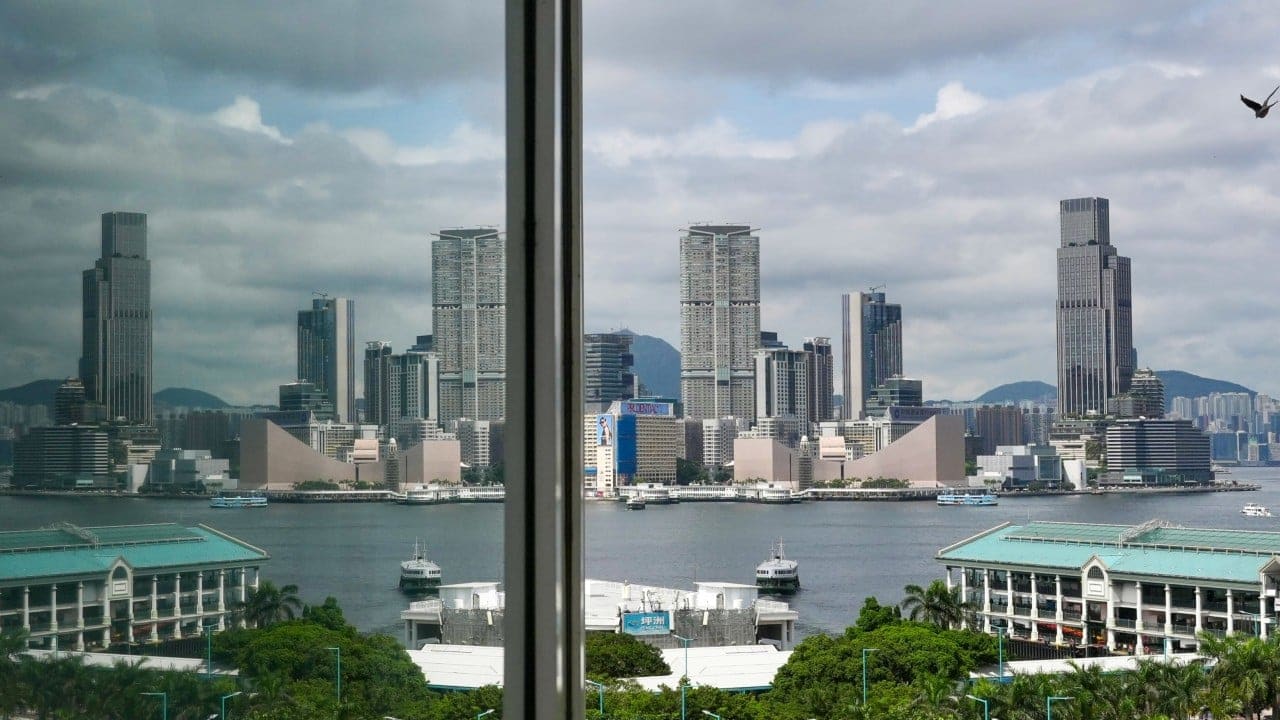
The city is courting multinational treasury operations while riding a wave of mainland capital and family office growth that has reshaped Asia's wealth landscape.
KEY TAKEAWAYS
- ·Hong Kong has surpassed Switzerland as the world's largest cross-border wealth management center, driven by mainland capital inflows and a doubling of family offices since early 2023.
- ·The city is now targeting multinational corporate treasury operations, offering centralized capital management, RMB liquidity, and direct access to China's onshore markets through Connect schemes.
- ·New tax incentives for family offices and potential relief for corporate treasuries position Hong Kong ahead of Singapore in China-focused financial services, with regulatory changes under review.
The Treasury Pitch
Hong Kong is recruiting multinational corporations to anchor their treasury operations in the city, a move designed to consolidate its role as a regional finance hub beyond private banking. The pitch centers on corporate treasury management, where companies centralize capital allocation, liquidity, foreign-exchange hedging, and funding decisions. For firms with sprawling Asia-Pacific footprints, proximity to Chinese supply chains, and deep onshore-offshore RMB markets, Hong Kong offers infrastructure that few rivals can match.
The initiative arrives as the city claims a milestone: it has overtaken Switzerland in cross-border wealth under management. That shift reflects two forces. First, mainland Chinese families and entrepreneurs have moved liquid assets offshore at scale, often parking them in Hong Kong before diversifying globally. Second, regulatory and tax frameworks introduced over the past three years have made the city competitive with Singapore and Geneva for family office incorporation.
Mainland Capital and the Family Office Boom
The number of single-family offices registered in Hong Kong has grown sharply. While official figures vary by definition, industry estimates suggest the count has more than doubled since early 2023. Tax concessions for qualifying family offices, launched in 2023 and expanded in 2024, exempt investment income from profits tax if the office meets minimum asset and spending thresholds. That policy mirrors Singapore's framework but offers faster access to China's onshore bond and equity markets through Stock Connect and Bond Connect.
Mainland capital dominates the inflow. Entrepreneurs who listed companies in Hong Kong or built export businesses now use the city as a base to manage second- and third-generation wealth. The appeal is structural: Hong Kong operates under common law, enforces contracts predictably, and sits in the same time zone as Shanghai and Shenzhen. For families hedging RMB exposure or investing in dollar-denominated assets, the city's currency peg and deep FX markets reduce friction.
Why Corporates Matter
Family offices manage wealth; corporate treasuries manage operational cash and financial risk. The two require different plumbing. A corporate treasury for a semiconductor manufacturer or logistics group must handle daily liquidity in multiple currencies, hedge commodity or FX exposure, and tap short-term funding markets. Hong Kong wants to be the nerve center for those functions across Asia.
The rationale is clear. Multinational groups with regional headquarters in Singapore, Tokyo, or Seoul often split treasury operations across several cities, leading to fragmented liquidity and higher funding costs. Centralizing in Hong Kong lets them pool cash, optimize interest income, and execute hedges in a market with tight bid-ask spreads and 24-hour trading links to New York and London.
Banks headquartered in Hong Kong have built out RMB treasury products that allow corporates to hold and deploy onshore yuan without establishing a mainland subsidiary. That matters for companies in electronics, apparel, or automotive that source heavily from Guangdong or the Yangtze Delta. Instead of converting revenues to dollars and back to RMB for supplier payments, they can net positions and reduce transaction drag.
The Competitive Landscape
Singapore remains the primary alternative. It offers political stability, a AAA sovereign rating, and a network of tax treaties that Hong Kong cannot fully replicate. But Singapore's banking system has less RMB liquidity, and its capital markets lack direct pipes into Shanghai and Shenzhen. For treasury teams focused on China exposure, Hong Kong holds the edge.
Switzerland's slide in cross-border wealth is partly structural. European tax transparency rules and automatic exchange of information have made Swiss private banks less attractive for clients seeking opacity. Meanwhile, Asia's wealth creation has outpaced Europe's. The center of gravity has shifted east, and Hong Kong sits at the intersection of that flow.
What Comes Next
The city's financial regulator has signaled that more incentives for corporate treasury centers are under review, including potential tax relief on interest income and streamlined licensing for in-house banks. If those measures pass, Hong Kong could see a wave of treasury relocations in sectors where China is a top-three market: semiconductors, luxury goods, automotive, and industrial equipment.
For now, the momentum is visible in office leasing data. Demand for space in Central and Admiralty from financial services tenants has ticked up, driven by family offices, private equity funds, and corporate treasury teams. The narrative that positioned Hong Kong as the "Switzerland of the East" is no longer aspirational. The numbers suggest it has arrived.
RELATED STORIES
Hong Kong's Wealth Hub Status Faces Test as Beijing Tightens Tax Enforcement
Cheng Wei-Lun · 3 min
Hong Kong and China Regulators Announce Market Integration Reforms
Cheng Wei-Lun · 3 min

Hong Kong Regulator Steps Up Scrutiny of Concentrated Shareholdings
Cheng Wei-Lun · 3 min
China Bond Futures Launch in Hong Kong Draws Strong Opening Volume
Cheng Wei-Lun · 3 min
Spot something wrong? Email editor@briefasia.com. We log every correction publicly.