Asia · Business
Homeplus Plans Trader Joe's-Inspired Store Overhaul After Bankruptcy Extension
South Korean retailer secures court approval to reopen 67 stores with $135 million in financing as part of restructuring effort
KEY TAKEAWAYS
- ·Homeplus received a bankruptcy court extension through September 4 and will reopen 67 suspended stores after securing $135 million in debtor-in-possession financing.
- ·The South Korean hypermarket chain plans to adopt a Trader Joe's-inspired store format, moving away from the traditional big-box model that has struggled in Asian markets.
- ·The restructuring comes as South Korean hypermarkets face declining foot traffic, rising costs, and intensifying competition from e-commerce and convenience formats.
Court Grants Breathing Room
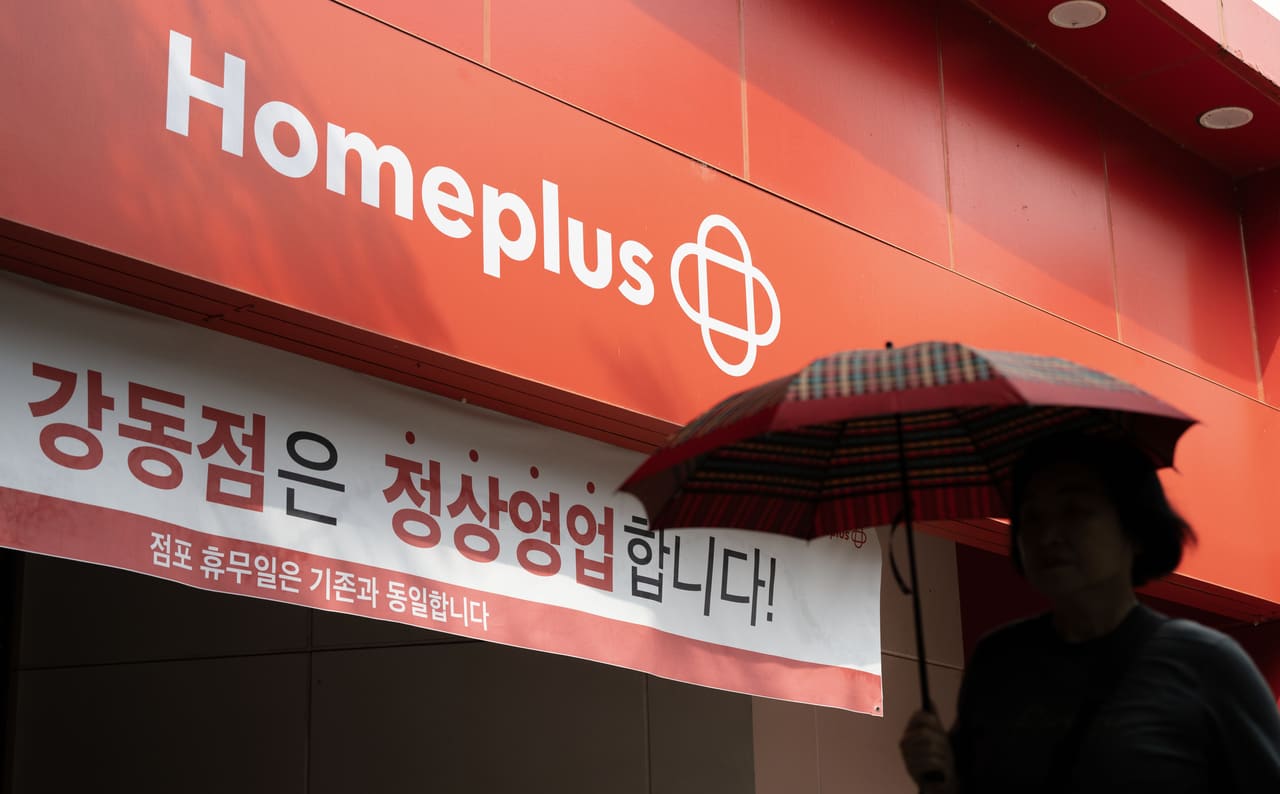
South Korea's Homeplus will push forward with a major retail transformation after the Seoul Bankruptcy Court extended the company's rehabilitation process through September 4. The troubled hypermarket chain announced plans to reopen all 67 stores currently under temporary suspension once it secures 200 billion won ($135 million) in debtor-in-possession financing, according to the company.
The court-supervised extension gives Homeplus additional time to execute a restructuring strategy that includes overhauling its store format. The retailer is looking to reshape its physical presence with a model inspired by specialty grocery chains, marking a departure from the traditional big-box hypermarket approach that has struggled across Asian markets in recent years.
Financing and Reopening Timeline
Homeplus said the DIP financing will be critical to resuming operations across its suspended store network. The company has not disclosed which lenders are participating in the financing package or when it expects to close the deal. Industry observers note that securing fresh capital during court-led rehabilitation can be challenging, as lenders weigh the risk of backing a business in distress against potential recovery value.
The retailer also indicated that its online operations will gradually resume, though it provided no specific timeline. E-commerce has become a vital channel for Korean grocery retailers, particularly after the pandemic accelerated digital adoption. Homeplus's ability to restore its online platform will be essential to competing with rivals like Emart and Coupang, which have invested heavily in delivery infrastructure.
Shift Away from Hypermarket Model
The Trader Joe's-style reset signals a broader rethinking of Homeplus's retail strategy. Traditional hypermarkets in South Korea have faced mounting pressure from changing consumer habits, with shoppers increasingly favoring convenience stores, specialty formats, and online platforms over sprawling big-box outlets. The hypermarket sector has seen declining foot traffic and shrinking margins as real estate costs remain high and competition intensifies.
By adopting elements from specialty grocery chains, Homeplus appears to be betting on curated assortments, private-label products, and a more intimate shopping experience. Trader Joe's, the U.S. chain known for its quirky branding and limited SKU count, has built a loyal following by offering unique products at competitive prices in smaller-format stores. Whether that model can translate to the Korean market, where consumers have different expectations around product variety and pricing, remains an open question.
Industry Context
Homeplus is not alone in its struggles. South Korea's retail landscape has undergone significant upheaval over the past decade, with several major chains closing stores or exiting the market entirely. Regulatory changes, including restrictions on large-format stores in certain areas, have further complicated operations for hypermarket operators.
The company's troubles also reflect broader challenges facing brick-and-mortar retail across Asia. In markets from China to Southeast Asia, traditional grocery chains have been forced to adapt as e-commerce platforms and quick-commerce startups capture market share. The pandemic accelerated these trends, leaving legacy retailers scrambling to recalibrate.
Homeplus's restructuring plan will be closely watched by industry participants and creditors. The company's ability to secure financing, reopen stores, and execute a successful format change will serve as a test case for whether traditional hypermarkets can reinvent themselves in a rapidly shifting retail environment. The September court deadline adds urgency to the turnaround effort, leaving little room for missteps.
RELATED STORIES
South Korea Breaks Full-Year Export Record in September
Tran Quoc Bao · 3 min
SK Hynix Union Rejects Wage Deal in Razor-Thin Vote
Cheng Wei-Lun · 3 min

SK Chemicals Targets Europe's Can-Coating Shift After BPA Ban
Cheng Wei-Lun · 2 min
Hyundai Motor Faces First Full-Day Strike in a Decade as Wage Talks Stall
Jun-ho Seo · 2 min
Spot something wrong? Email editor@briefasia.com. We log every correction publicly.