Technology · Policy
Ho Chi Minh City Emerges as Asia's New Sourcing Hub for Global Buyers
Rising manufacturing costs elsewhere drive international procurement teams to Vietnam's commercial capital as trade patterns shift across the region
KEY TAKEAWAYS
- ·Global procurement teams are increasingly sourcing from Ho Chi Minh City as manufacturing costs rise in traditional Asian production centers and trade patterns shift regionally.
- ·Vietnam's free trade agreements and expanding industrial infrastructure provide cost advantages for international buyers in retail, technology, and consumer goods sectors.
- ·Infrastructure constraints including port congestion and limited warehouse capacity remain challenges that will influence the city's ability to scale as a major sourcing hub.
A Quiet Shift in Regional Procurement
Ho Chi Minh City has become a focal point for global buyers seeking alternative sourcing destinations in Asia, reflecting broader changes in regional manufacturing and supply chain networks. International procurement teams are directing more attention to Vietnam's commercial capital as cost structures and trade conditions evolve across traditional production centers.
The shift comes as companies reassess their supplier networks in response to rising labor costs in established manufacturing hubs and ongoing trade policy adjustments. Vietnam's position in Southeast Asia, combined with its growing industrial base, has made it an increasingly viable option for buyers who previously concentrated their sourcing in other parts of the region.
Manufacturing Infrastructure Takes Shape
Ho Chi Minh City's industrial zones have expanded steadily over the past five years, with new facilities focused on electronics assembly, textile production, and light manufacturing. The city's proximity to major shipping routes and its developing logistics infrastructure have contributed to its appeal among international buyers looking to diversify their supplier base.
Local manufacturers have invested in production capabilities that align with quality standards required by global brands, particularly in categories such as apparel, consumer electronics components, and household goods. This capacity build-out has occurred alongside improvements in industrial park facilities and supporting services.
Trade Dynamics and Regional Competition
The Vietnamese market faces competition from other Southeast Asian countries also positioning themselves as manufacturing alternatives, including Thailand, Indonesia, and Malaysia. Each location offers distinct advantages in terms of workforce skills, infrastructure maturity, and sector specialization.
Vietnam's competitive edge lies partly in its network of free trade agreements, which provide favorable tariff treatment for goods exported to major markets. The country is a signatory to multiple regional trade pacts that reduce barriers for products manufactured within its borders, creating cost advantages for buyers sourcing from Vietnamese suppliers.
Procurement Patterns and Buyer Priorities
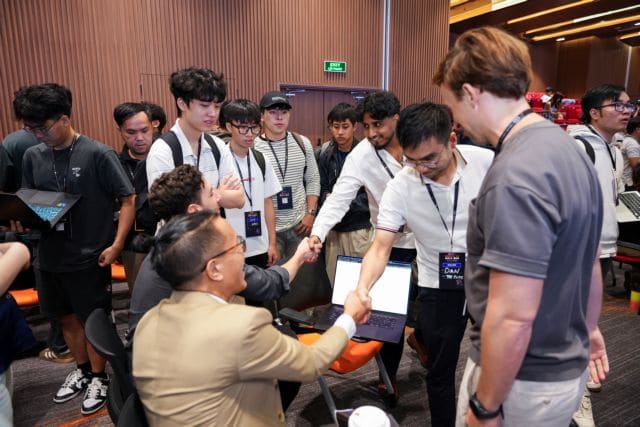
Global buyers visiting Ho Chi Minh City typically focus on several key factors: production costs, lead times, quality consistency, and the ability of local suppliers to scale operations. Many procurement teams conduct site visits to assess factory conditions and management systems before committing to long-term supply relationships.
The city has seen increased interest from buyers in the retail, technology, and consumer goods sectors. Some companies are establishing regional sourcing offices in Ho Chi Minh City to maintain closer oversight of their Vietnamese supplier networks and to explore expansion opportunities as local capabilities develop.
Infrastructure Gaps and Development Needs
Despite recent progress, Ho Chi Minh City still faces infrastructure constraints that can affect its competitiveness as a sourcing destination. Port congestion during peak shipping seasons, limited warehouse capacity, and gaps in specialized logistics services remain challenges for buyers and suppliers operating in the market.
Local authorities have announced plans to upgrade transportation networks and expand industrial zones, though implementation timelines vary. The pace of infrastructure development will likely influence how quickly Ho Chi Minh City can absorb additional manufacturing volume and meet the requirements of larger-scale buyers.
What Comes Next
The trajectory of Ho Chi Minh City as a sourcing hub will depend on several factors: continued investment in manufacturing capabilities, improvements to logistics infrastructure, and the ability of local suppliers to meet evolving quality and sustainability standards demanded by international buyers.
As companies continue to evaluate their supply chain strategies in Asia, Vietnam's commercial capital sits at an inflection point. The decisions made by both buyers and local manufacturers in the coming quarters will shape whether the current momentum translates into sustained growth as a regional procurement center.
RELATED STORIES
Japanese Chipmaker Plans Southeast Asia Production Expansion
Cheng Wei-Lun · 3 min
Southeast Asian Factories Adopt Proximity Planning to Retain Workers and Investors
Lim Hui Ying · 3 min

Singapore Captures Two-Thirds of Southeast Asian EV Startup Capital
Priyanka V. Rao · 3 min
Vietnam's Trade Turnover Hits $770 Billion as Imports Surge Past Exports
Jun-ho Seo · 2 min
Spot something wrong? Email editor@briefasia.com. We log every correction publicly.