Sustainability · Energy
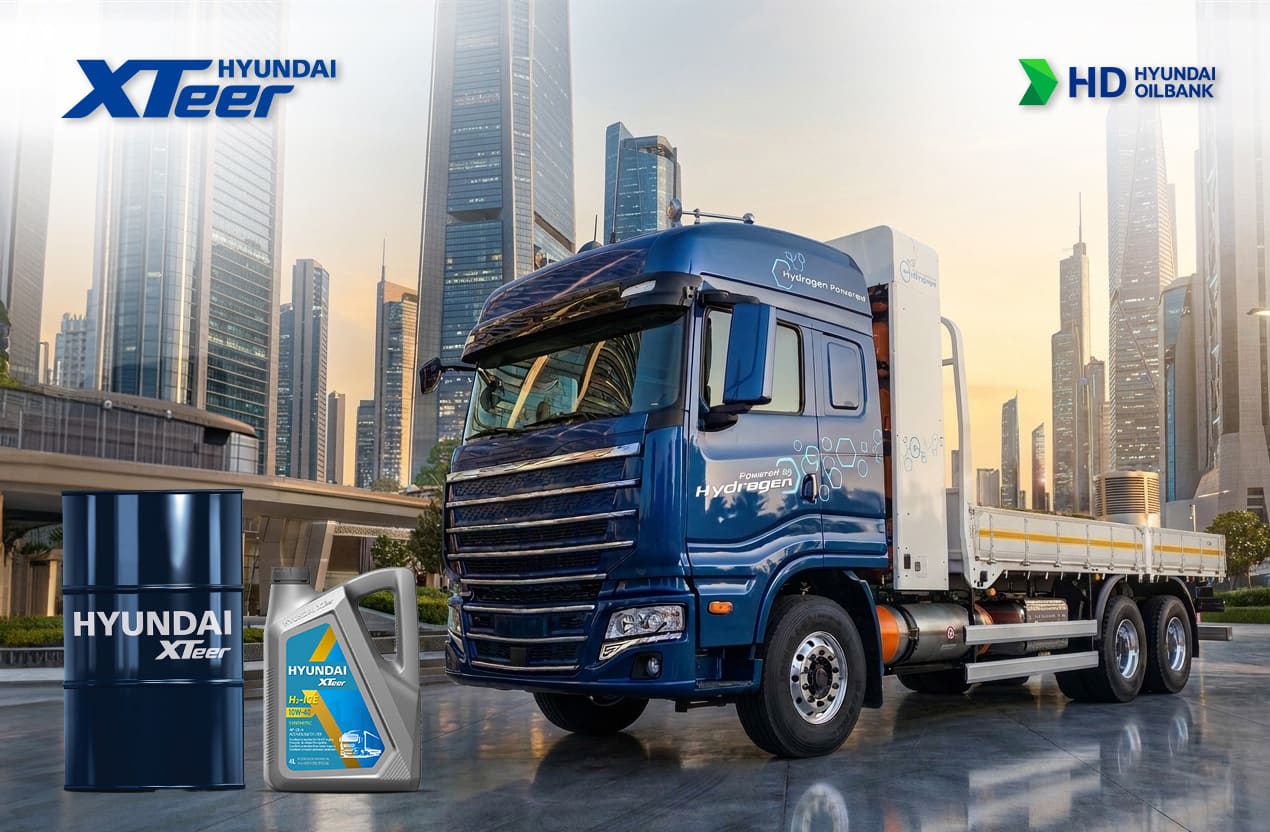
HD Oilbank Delivers South Korea's First Hydrogen Engine Lubricant for Commercial Fleet
The refiner's XTeer product targets hydrogen combustion engines in trucks and buses, marking a shift in Asia's alternative fuel infrastructure
KEY TAKEAWAYS
- ·HD Hyundai Oilbank began supplying South Korea's first hydrogen internal combustion engine lubricant, branded XTeer, to commercial vehicle manufacturers including Tata Daewoo Mobility.
- ·The product addresses the higher combustion temperatures and accelerated wear in hydrogen engines, completing performance testing in 2025 after development began in 2023.
- ·Lubricant availability removes a supply-chain barrier for hydrogen combustion truck and bus pilots, as South Korea tightens heavy-duty emissions standards from 2027.
A Lubricant Tailored for Hydrogen Combustion
HD Hyundai Oilbank has started delivering engine oil engineered specifically for hydrogen internal combustion engines to South Korean commercial vehicle manufacturers, with Tata Daewoo Mobility among the initial customers. The product, marketed under the company's XTeer brand, represents the first domestically developed lubricant formulation designed to withstand the unique operating conditions of hydrogen-burning engines, according to the refiner.
The company launched development of the hydrogen engine lubricant in 2023 and completed performance validation in 2025. Hydrogen internal combustion engines operate at significantly higher combustion temperatures than conventional diesel or gasoline powertrains, subjecting engine components to accelerated wear. This thermal stress demands lubricants with enhanced thermal stability and anti-wear properties that standard engine oils cannot reliably provide.
Commercial Vehicle Focus
The initial rollout targets heavy-duty commercial applications, trucks and buses, where hydrogen combustion technology is gaining traction as an alternative to battery-electric drivetrains. Unlike hydrogen fuel cells, which generate electricity through a chemical reaction, hydrogen internal combustion engines burn hydrogen in a modified piston-cylinder setup similar to traditional engines. This approach allows manufacturers to adapt existing engine architectures rather than redesigning powertrains from scratch, potentially lowering capital costs for fleet operators.
Tata Daewoo Mobility, a subsidiary of India's Tata Motors and a major player in South Korea's commercial vehicle market, has been testing hydrogen combustion prototypes. The availability of a certified lubricant removes a key supply-chain hurdle for pilot deployments and small-series production runs.
Asia's Hydrogen Infrastructure Puzzle
South Korea has positioned hydrogen as a pillar of its energy transition strategy, with government subsidies supporting fuel-cell electric vehicles and refueling infrastructure. Hydrogen combustion engines, however, occupy a more ambiguous space in policy frameworks. They emit water vapor and trace nitrogen oxides, unlike fuel cells, which produce only water. Yet combustion engines offer faster refueling and longer range than battery systems, attributes that matter in logistics and long-haul transport.
The lubricant supply chain has lagged behind vehicle development. Most hydrogen engine trials in Asia have relied on imported specialty oils or makeshift blends, adding cost and complexity. HD Oilbank's entry signals that ancillary industrial ecosystems are beginning to form around hydrogen mobility, a necessary condition for commercial scale.
Japan and China are pursuing parallel paths. Japanese refiners have collaborated with Toyota on lubricants for hydrogen racing engines, while Chinese state-owned oil companies are developing products for hydrogen-powered freight trucks in pilot corridors. South Korea's move reflects regional competition to secure early-mover advantages in hydrogen supply chains, from production and storage to vehicle components and consumables.
Economics and Timing
HD Oilbank has not disclosed pricing for the XTeer hydrogen lubricant, but specialty formulations typically carry premiums over conventional engine oils. Fleet operators will weigh lubricant costs against total cost of ownership, including fuel, maintenance, and residual value. Hydrogen remains expensive in most Asian markets, with per-kilogram prices well above diesel on an energy-equivalent basis, even with subsidies.
The refiner's timing aligns with anticipated regulatory changes. South Korea is expected to introduce emissions standards for heavy-duty vehicles in 2027 that will tighten particulate and NOx limits, making diesel compliance costlier. Hydrogen combustion engines, if certified to meet those standards, could appeal to fleet operators seeking to avoid retrofits or battery weight penalties.
Commercial availability of the lubricant also supports vehicle manufacturers navigating type-approval processes. Regulatory agencies require proof that engines can operate reliably over prescribed intervals, and lubricant performance data forms part of that documentation. HD Oilbank's completion of performance testing provides a reference point for homologation efforts.
Watching the Market Response
The success of hydrogen combustion in commercial transport will depend on infrastructure build-out, fuel pricing, and regulatory clarity, all of which remain in flux across Asia. Lubricant supply is a smaller piece of the puzzle, but its absence can stall pilots and deter investment. HD Oilbank's product launch suggests confidence that hydrogen combustion will capture at least a niche in South Korea's heavy-duty fleet mix, even if fuel cells and batteries dominate passenger vehicles.
Fleet trials over the next twelve to eighteen months will reveal whether the thermal and wear challenges of hydrogen combustion can be managed cost-effectively in real-world duty cycles. If performance holds and hydrogen fuel costs decline, other refiners in the region are likely to follow with competing formulations, accelerating the technology's commercial trajectory.
RELATED STORIES

Seoul Convenes Industry Leaders to Address US Polysilicon Tariff Impact
Cheng Wei-Lun · 3 min
Hanwha Bids Up to $1.2 Billion for Austal's US Shipyard
Cheng Wei-Lun · 2 min
Fitch Flags Market Concentration Risk After Korea Stock Sell-Off
Cheng Wei-Lun · 4 min
South Korea Delays After-Hours ETF Trading Over Pricing Concerns
Cheng Wei-Lun · 3 min
Spot something wrong? Email editor@briefasia.com. We log every correction publicly.