Asia · Business
GM Korea Settles Wage Talks Ahead of Industry Strike Season
South Korea's first major auto labor deal of the year sets a baseline as unions across the sector prepare for annual negotiations
KEY TAKEAWAYS
- ·GM Korea and its union reached a tentative wage agreement after seventeen bargaining rounds, offering a 92,000 won monthly raise and a 15 million won performance bonus.
- ·The deal is the first among South Korean automakers this year and may set a baseline for upcoming negotiations at Hyundai, Kia, and other manufacturers.
- ·The agreement now moves to a ratification vote; rejection could trigger further talks or potential strike action during the industry's peak bargaining season.
First Deal Struck
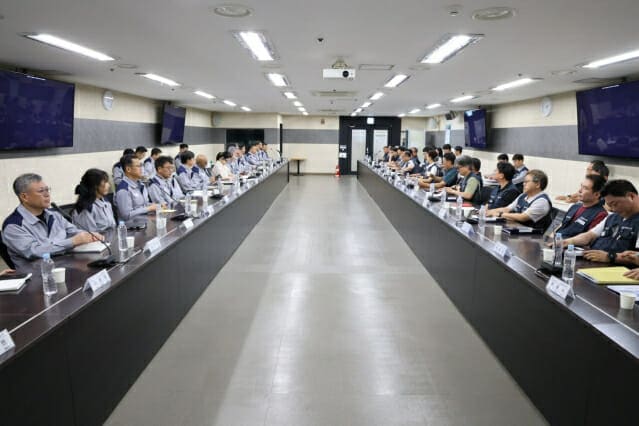
GM Korea closed a tentative wage and collective bargaining agreement with its union on Wednesday, marking the first such deal among South Korean automakers this year. The agreement followed seventeen rounds of negotiations between management and labor representatives, according to the company.
Under the proposed terms, workers will receive a monthly base salary increase of 92,000 won, equivalent to roughly $63 at current exchange rates. The package also includes a one-time performance bonus of 15 million won per employee. GM Korea has committed to additional measures, though full details of the agreement remain pending ratification by the union membership.
Timing and Context
The deal arrives as South Korea enters its annual auto-sector bargaining season, a period historically marked by tense negotiations and periodic work stoppages. Major domestic manufacturers including Hyundai Motor and Kia have yet to finalize their own agreements for the year, and labor tensions across the industry remain elevated.
South Korea's automotive unions wield considerable leverage during these negotiations. Production disruptions at any of the country's major assembly plants can ripple through regional supply chains, affecting component suppliers across Asia and delaying vehicle exports to key markets in North America, Europe, and the Middle East.
GM Korea operates three assembly plants in the country and employs thousands of workers. The company's Korean operations have faced persistent profitability challenges in recent years, making labor cost management a sensitive issue for both sides. Management has sought to contain expense growth while unions have pressed for compensation that keeps pace with inflation and reflects productivity gains.
What the Numbers Mean
The 92,000 won monthly increase translates to an annual raise of approximately 1.1 million won before taxes. For workers earning the average manufacturing wage in South Korea, this represents a mid-single-digit percentage increase. The 15 million won performance bonus, meanwhile, is a lump sum tied to company results rather than a permanent addition to base pay.
These figures will likely serve as a reference point for other automakers as they enter their own bargaining cycles. Unions at competing manufacturers often compare offers across companies, and a settlement at one firm can set informal expectations elsewhere. If GM Korea's deal is ratified, rival unions may demand similar or better terms, creating pressure on Hyundai, Kia, and other producers.
Industry Pressure Points
South Korean automakers face a complex operating environment. Domestic demand has softened in recent quarters, while export markets remain competitive. At the same time, the industry is navigating a costly transition toward electric vehicles, which requires significant capital investment in new platforms, battery technology, and production infrastructure.
Labor costs represent a meaningful share of total manufacturing expenses, and any substantial increase in wages or benefits flows directly to the bottom line. For GM Korea, which has struggled to achieve consistent profitability in recent years, controlling labor expenses is a strategic priority. The company has previously restructured its Korean operations, closing one plant and reducing headcount to align capacity with demand.
Unions, for their part, argue that workers deserve fair compensation for productivity improvements and should share in the gains from export growth. They also point to inflation as eroding real wages, making annual increases essential to maintaining living standards.
What Comes Next
The tentative agreement now moves to a ratification vote by GM Korea's union membership. If approved, the deal will take effect and provide labor peace at the company for the duration of the contract. If rejected, management and the union would return to the bargaining table, potentially opening the door to strike action.
Other automakers are closely watching the outcome. Hyundai Motor, Kia, and smaller producers are in various stages of their own negotiations. A smooth ratification at GM Korea could ease tensions elsewhere, while a rejection might embolden unions to push harder at other companies.
South Korea's auto sector remains a critical pillar of the national economy, generating hundreds of billions of dollars in export revenue each year. Labor stability is essential to maintaining production schedules and meeting delivery commitments to overseas buyers. Any prolonged disruption during the peak summer bargaining season could have consequences beyond individual companies, affecting suppliers, logistics providers, and regional economic output.
RELATED STORIES
South Korea Breaks Full-Year Export Record in September
Tran Quoc Bao · 3 min
Hyundai Motor Faces First Full-Day Strike in a Decade as Wage Talks Stall
Jun-ho Seo · 2 min

SK Chemicals Targets Europe's Can-Coating Shift After BPA Ban
Cheng Wei-Lun · 2 min
SK Hynix Union Rejects Wage Deal in Razor-Thin Vote
Cheng Wei-Lun · 3 min
Spot something wrong? Email editor@briefasia.com. We log every correction publicly.