Finance · Fintech
GCash Adds Direct Card Payment Option in Philippines Fintech Push
The Filipino mobile wallet will let users link Visa and Mastercard debit and credit cards for instant transactions without pre-loading funds, set to launch this month.
KEY TAKEAWAYS
- ·GCash will allow users to link up to three Visa or Mastercard debit and credit cards for direct payments without pre-loading wallet balances, with rollout scheduled for August 2026 in the Philippines.
- ·The feature uses one-time password verification for card setup and biometric or PIN authentication for transactions, aiming to reduce friction while maintaining security controls.
- ·Direct card linking removes the cash-in step and positions GCash as a payment aggregator, a model already deployed by fintech platforms in Singapore and Indonesia, with implications for merchant acceptance and card issuer economics.
Direct Payment Rails
GCash will begin allowing users to link Visa and Mastercard debit and credit cards directly to their accounts for instant payments, removing the requirement to pre-load wallet balances before transactions. The feature is scheduled to roll out across the Philippines within August 2026.
According to G-Xchange, Inc., the mobile wallet operator, users will be able to attach up to three cards to their GCash account, designate a default payment method, and manage or remove cards through the app interface. When a user initiates a purchase at a participating merchant, the linked card will settle the transaction in real time, even if the GCash wallet balance sits at zero.
The move addresses a friction point familiar to digital wallet users across Southeast Asia: the need to manually transfer funds from a bank account or card into the wallet before spending. By creating a pass-through payment option, GCash positions itself as both a transaction layer and a card aggregator, a model that mirrors strategies deployed by fintech platforms in Singapore, Indonesia, and Vietnam.
Authentication and Security Layer
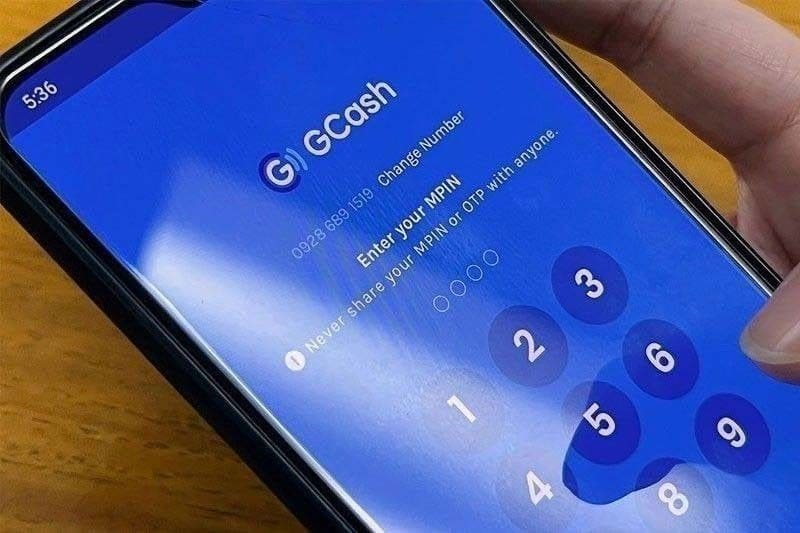
Card linking will require one-time password verification at setup. For individual transactions, the platform will authenticate payments using biometric data or device PIN where supported by the user's handset and the merchant's point-of-sale terminal. This layered approach is designed to balance speed with fraud prevention, a calculus that fintech operators in the region have had to refine as transaction volumes climb.
Ren-ren Reyes, president and CEO of G-Xchange, framed the feature as part of a broader effort to reduce reliance on physical cash and plastic cards. The company did not disclose technical details about interchange fees, whether card issuers will bear transaction costs, or how the feature will affect GCash's revenue model, which has historically leaned on wallet float, merchant fees, and financial services cross-sell.
Market Context
The Philippines remains one of Asia's most active mobile wallet markets by user count. GCash has reported over 90 million registered users as of late 2025, though active user metrics and transaction frequency vary. The platform competes with PayMaya, bank-issued digital wallets, and a growing roster of buy-now-pay-later services that also aim to reduce checkout friction.
Direct card linking is not novel in the region. Singapore's GrabPay and Indonesia's GoPay have offered similar functionality for several years, often bundled with loyalty schemes and credit products. What distinguishes the Philippine rollout is the scale of the user base and the persistence of cash in daily commerce, particularly outside Metro Manila. A feature that eliminates the cash-in step could shift behavior in markets where bank account penetration remains uneven but card ownership is rising.
The timing also coincides with regulatory attention on interoperability. The Bangko Sentral ng Pilipinas has pushed for open finance frameworks that allow consumers to move funds and initiate payments across platforms and banks. Direct card linking sits adjacent to that agenda, though it keeps the transaction within the GCash ecosystem rather than opening the rails to third-party wallets.
Implications for Merchant Acceptance
For merchants already accepting GCash QR payments, the new feature requires no additional hardware or integration. The transaction flow remains identical from the merchant's perspective; the difference lies in the funding source behind the user's account. This seamless backend swap is critical for adoption, particularly among small and medium enterprises that lack the bandwidth to manage multiple payment terminals or negotiate separate agreements with card networks.
The feature also creates optionality for users who hold rewards-earning credit cards. By routing everyday purchases through GCash while settling with a linked card, users can potentially capture card issuer benefits without carrying the physical card, a dynamic that could pressure card networks and issuers to recalibrate their loyalty economics.
Whether this drives sustained engagement or simply becomes a backup payment method will depend on user education, transaction limits, and any fees that GCash or card issuers introduce over time. The company has not specified whether linking or transactions will carry charges, a detail that will shape adoption velocity once the feature goes live.
The rollout positions GCash to capture a larger share of consumer spending that currently bypasses digital wallets, particularly in categories where users prefer credit lines or deferred billing. It also sets up a test case for how far Southeast Asian fintech platforms can stretch beyond their original remit as stored-value accounts into full-spectrum payment orchestrators.
RELATED STORIES
Manila Bourse Slides as Investors Reserve Cash for GCash IPO
Rajesh K. Iyer · 3 min
GCash Parent Mynt Clears Final Regulatory Hurdle for Manila IPO
Mariel D. Santos · 3 min
GCash IPO Could Turn Users Into Shareholders
Mariel D. Santos · 3 min
Alternergy Debuts in Philippine Debt Market with ₱2 Billion Notes Offering
Mariel D. Santos · 2 min
Spot something wrong? Email editor@briefasia.com. We log every correction publicly.