Finance · Markets
Foreign Capital Pours Back Into Philippine Stocks After Four-Month Stalemate
Net buying from overseas investors drove the PSEi past 6,400 for the first time since February, powered by cooling US inflation and aggressive domestic rate policy

KEY TAKEAWAYS
- ·Foreign investors returned to net buying in Philippine equities in late July 2026, driving the PSEi above 6,400 for the first time since February 10, with ICTSI and Century Pacific Food among top picks.
- ·US inflation cooled to 3.5 percent in June while Philippine inflation slowed to 6.4 percent; the BSP raised its benchmark rate to 4.75 percent, stabilizing the peso and reducing foreign-exchange risk.
- ·ICTSI is expected to report double-digit Q2 growth building on 23 percent net profit growth in Q1, while the rally remains concentrated in large-cap blue chips amid subdued overall turnover.
The Shift That Broke the Ceiling
Foreign investors returned to net buying positions in Philippine equities during the last two weeks of July 2026, propelling the Philippine Stock Exchange Index past 6,400 for the first time in four months. The milestone, last breached on February 10 when the index closed at 6,474.60, reflects a decisive shift in capital flows that typically account for more than half of daily trading value.
International Container Terminal Services Inc., controlled by Enrique Razon Jr., emerged as the primary beneficiary of the influx. The port operator's aggressive international expansion and high-growth trajectory attracted substantial foreign interest. Century Pacific Food Inc., backed by the Po family, also drew capital as a defensive consumer play amid persistent macroeconomic uncertainty.
Cooling Inflation Opens the Door
The turnaround in sentiment stems from easing US price pressures and proactive monetary tightening by the Bangko Sentral ng Pilipinas. The US Consumer Price Index for June decelerated to 3.5 percent from 4.2 percent in May, while the Producer Price Index contracted 0.3 percent. These figures softened expectations of aggressive Federal Reserve rate hikes, redirecting institutional capital toward emerging markets.
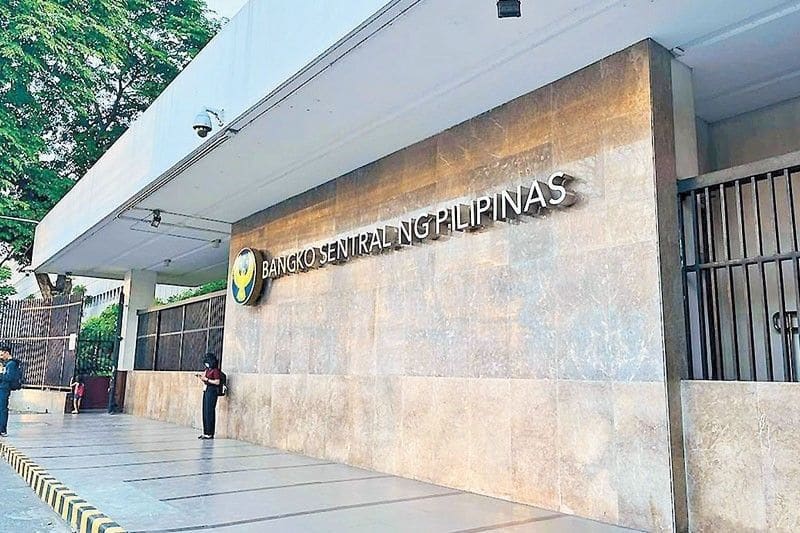
Philippine headline inflation slowed to 6.4 percent in June from 6.8 percent in May, according to official data. The moderation signals that the BSP's rate cycle is cooling the economy without stalling growth. The central bank raised its benchmark reverse repurchase rate by 25 basis points to 4.75 percent earlier this year. Governor Eli Remolona Jr. has stated the domestic economy can absorb another hike if needed to anchor inflation expectations.
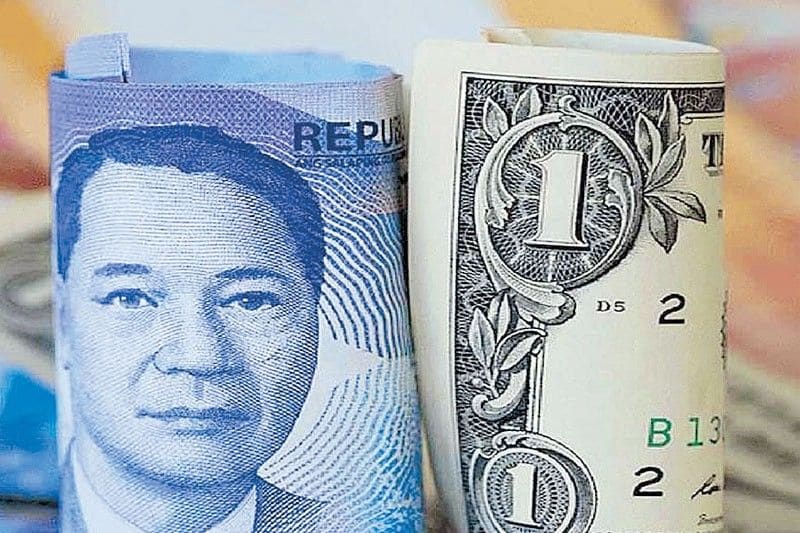
The peso stabilized as higher local interest rates and resilient overseas remittances created a favorable differential against the dollar, reducing foreign-exchange risk for portfolio investors.
Corporate Earnings Underpin the Rally
ICTSI is expected to report double-digit growth in net income and revenue for the second quarter, building on first-quarter momentum when net profit surged 23 percent to USD 293.57 million. Global container volumes rose 11 percent, driven by self-funded expansions including the Durban Gateway Terminal in South Africa and Batu Ampar in Indonesia. A long-term extension of its Melbourne port concession through 2066 reinforces a multi-decade cash flow outlook.
Century Pacific Food is scheduled to report second-quarter results on August 7. Analysts estimate earnings per share of P1.82. Executive chairman Christopher Po has indicated the company expects to sustain double-digit growth in revenue and profit for the full year despite supply chain challenges. The company's dollar-denominated export business acts as a natural hedge against local input cost pressures, while pricing power on grocery essentials shields it from broader inflation shifts.
The USD 5 billion foreign acquisition proposal for Energy Development Corporation, controlled by the Lopez family, has further reinforced international interest in Philippine assets, particularly energy infrastructure.
Volatility Persists Beneath the Surface
The index fell 1.28 percent to 6,333.80 on July 21 as a double-digit spike in oil prices dampened sentiment. On July 22, the market opened strong before trimming gains, closing down 1.04 percent at 6,267.85 on turnover of P5.78 billion, excluding cross transactions. Upcoming index methodology changes triggered portfolio repositioning.
Market observers note the rally is not broad-based. ICTSI, which carries a 27 percent weight in the main index, has driven much of the upward movement. Value turnover remains subdued, meaning foreign inflows have an outsized impact on direction. Geopolitical risks, including the escalating US-Iran conflict, continue to weigh on sentiment, though large-cap blue chips have absorbed these shocks.
What Comes Next
Over the short term, investors are repricing geopolitical risk, leading to risk-off behavior. Over the medium to long term, corporate earnings, interest rates, and economic fundamentals will determine whether the rally holds. The market trades near the 6,400 to 6,450 resistance zone. Sustained upward movement will depend on whether macroeconomic triggers align with current valuations.
Foreign investors are concentrating on blue-chip conglomerates, steady dividend payers, and resilient consumer brands with high liquidity and strong price action. The current environment represents a reset driven by bargain hunting, foreign inflows, and relief as oil prices ease from previous peaks tied to Middle East tensions. Whether fundamentals can support the technical breakout remains the central question for the remainder of 2026.
RELATED STORIES
Philippines Central Bank Raises Rate to 5% Despite Economic Slowdown
Priyanka V. Rao · 3 min
Philippine Currency Hits All-Time Low Against the Dollar
Priyanka V. Rao · 4 min

PhilWeb Trading Halted After P4.2 Billion JKS Tech Bet
Tran Quoc Bao · 3 min

Manila Halts Approvals for Digital Payment Operators Pending Fraud Review
Jun-ho Seo · 4 min
Spot something wrong? Email editor@briefasia.com. We log every correction publicly.