Lifestyle · Fashion
Fast Retailing Bets Former Luxury Designer Can Scale Budget Fashion Globally
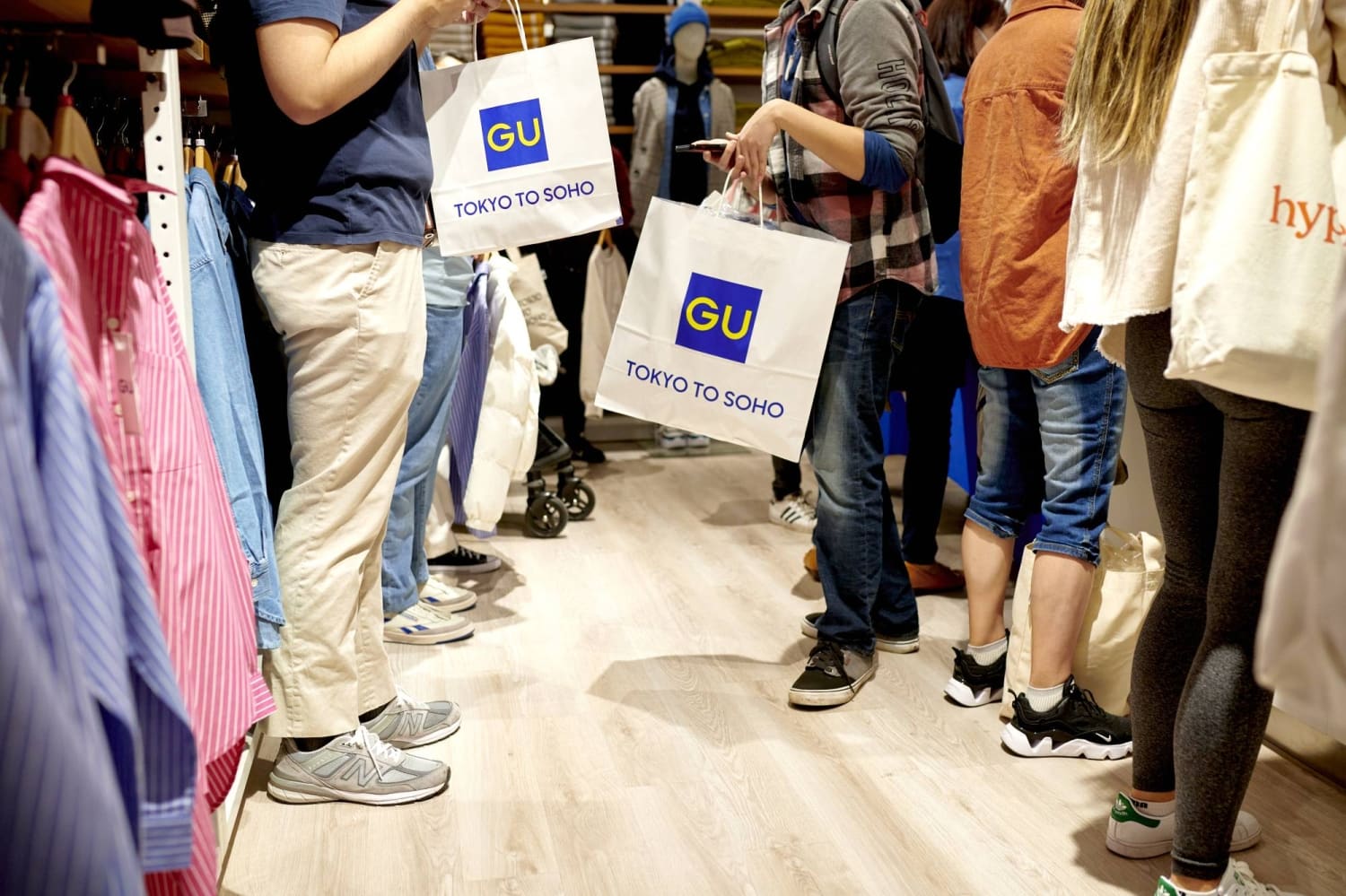
GU, Uniqlo's lower-priced sibling, brings in high-end talent to drive international expansion with $18 denim
KEY TAKEAWAYS
- ·GU, Fast Retailing's budget brand, has hired a former luxury fashion designer to drive global expansion with products like $18 jeans.
- ·The strategy tests whether high-end design expertise can differentiate ultra-affordable apparel in Asia's crowded fast-fashion market.
- ·GU must compete with Chinese players like Shein and South Korean brands while defining its identity beyond Uniqlo's shadow.
A New Strategy for Asia's Budget Fashion Race
Fast Retailing, the Tokyo-based parent of Uniqlo, is placing an unusual bet on its budget label GU: that a designer with luxury credentials can crack the code for selling $18 jeans across international markets. The move signals a fresh approach in the fiercely competitive mass-market apparel segment, where Japanese, Chinese, and South Korean brands are racing to capture price-conscious consumers from Manila to Mumbai.
GU operates at a lower price point than its better-known sibling Uniqlo, targeting shoppers who prioritize affordability without abandoning style. The brand has maintained a strong foothold in Japan, where its combination of trend-aware pieces and rock-bottom pricing resonates with younger consumers and families managing tight household budgets. Yet its footprint beyond Japan remains modest compared to Uniqlo's sprawling global network of more than 2,400 stores.
Luxury Expertise Meets Mass Production
The appointment of a former luxury designer to lead GU's creative direction represents a counterintuitive strategy in the fast-fashion world, where speed and cost efficiency traditionally trump design pedigree. Fast Retailing has not disclosed the designer's identity or previous employer, but the hire reflects a broader industry trend: established mass-market players seeking to differentiate through elevated design language rather than competing solely on price.
This approach carries risk. Luxury designers typically work with premium fabrics, artisanal construction, and limited production runs. Translating that sensibility to garments priced under $20 demands a fundamentally different skill set, one focused on maximizing visual impact within the constraints of synthetic blends, automated sewing lines, and massive order volumes. The designer will need to balance aesthetic ambition with the realities of supply chains optimized for cost, not craftsmanship.
The Asia Angle: A Crowded Field
GU's international ambitions unfold against a backdrop of intense regional competition. Chinese giants Shein and Miniso have demonstrated that ultra-low pricing, paired with relentless product turnover, can win market share across Southeast Asia and beyond. South Korea's Spao and 8Seconds have carved out niches by fusing K-pop aesthetics with accessible price tags. Meanwhile, India's homegrown players like Westside and Max are expanding rapidly, leveraging local manufacturing to undercut foreign entrants.
Japan's retail conglomerates have historically struggled to replicate domestic success abroad. While Uniqlo has achieved critical mass in China, the United States, and parts of Europe, many Japanese fashion brands remain tethered to their home market, constrained by risk-averse expansion strategies and limited appetite for localization. GU faces the additional challenge of defining its identity in markets where Uniqlo already occupies mindshare. The brand must articulate why consumers should choose it over Uniqlo or local alternatives, a question that pricing alone may not answer.
Denim as the Test Case
Jeans priced at $18 represent both opportunity and proving ground. Denim remains a universal wardrobe staple, and the category is large enough to support multiple positioning strategies, from premium selvedge to disposable fast fashion. If GU can deliver jeans that feel contemporary and well-constructed at that price, the brand gains a credible entry point into new markets. Failure to meet quality or style expectations, however, risks cementing GU as a discount also-ran in the minds of first-time buyers.
Fast Retailing has built its empire on supply-chain mastery and vertical integration, controlling everything from yarn sourcing to retail operations. GU benefits from that infrastructure, which should allow the brand to maintain margins even at aggressive price points. The question is whether a luxury designer can inject enough creative differentiation to make GU's denim, and its broader assortment, feel distinct rather than generic.
What Comes Next
Fast Retailing has not announced a timeline or target markets for GU's next phase of international expansion. The company is likely watching how the designer's first collections perform in Japan before committing capital to overseas rollouts. Success will hinge on whether the new creative direction drives measurable upticks in sales and brand perception, particularly among younger shoppers who prioritize style but lack the budgets for mid-tier labels.
The broader industry will be watching too. If GU's gambit pays off, expect other mass-market players to raid the talent pools of luxury houses, accelerating a convergence between high and low fashion that has been building for years. If it falters, the episode will reinforce the conventional wisdom that budget fashion is a volume game, not a design game, and that hiring pedigree matters less than optimizing algorithms and logistics.
RELATED STORIES
Uniqlo Doubles Down on Flagship Stores to Revive Brand in Home Market
Cheng Wei-Lun · 3 min
Malaysian Ringgit Gains Ground as Markets Anticipate Fed and BOJ Rate Moves
Tran Quoc Bao · 2 min
China Imposes Anti-Dumping Measures on Japanese Semiconductor Chemical Imports
Jun-ho Seo · 3 min

Japan Wage Growth Hits 29-Year High, Reinforcing Central Bank Rate Path
Aiko Nakamura · 3 min
Spot something wrong? Email editor@briefasia.com. We log every correction publicly.