Finance · Markets
Economists Split on Bank of Japan's Next Rate Move
Half of surveyed analysts expect the central bank to hold off on policy tightening until December, reflecting uncertainty over Japan's economic trajectory.
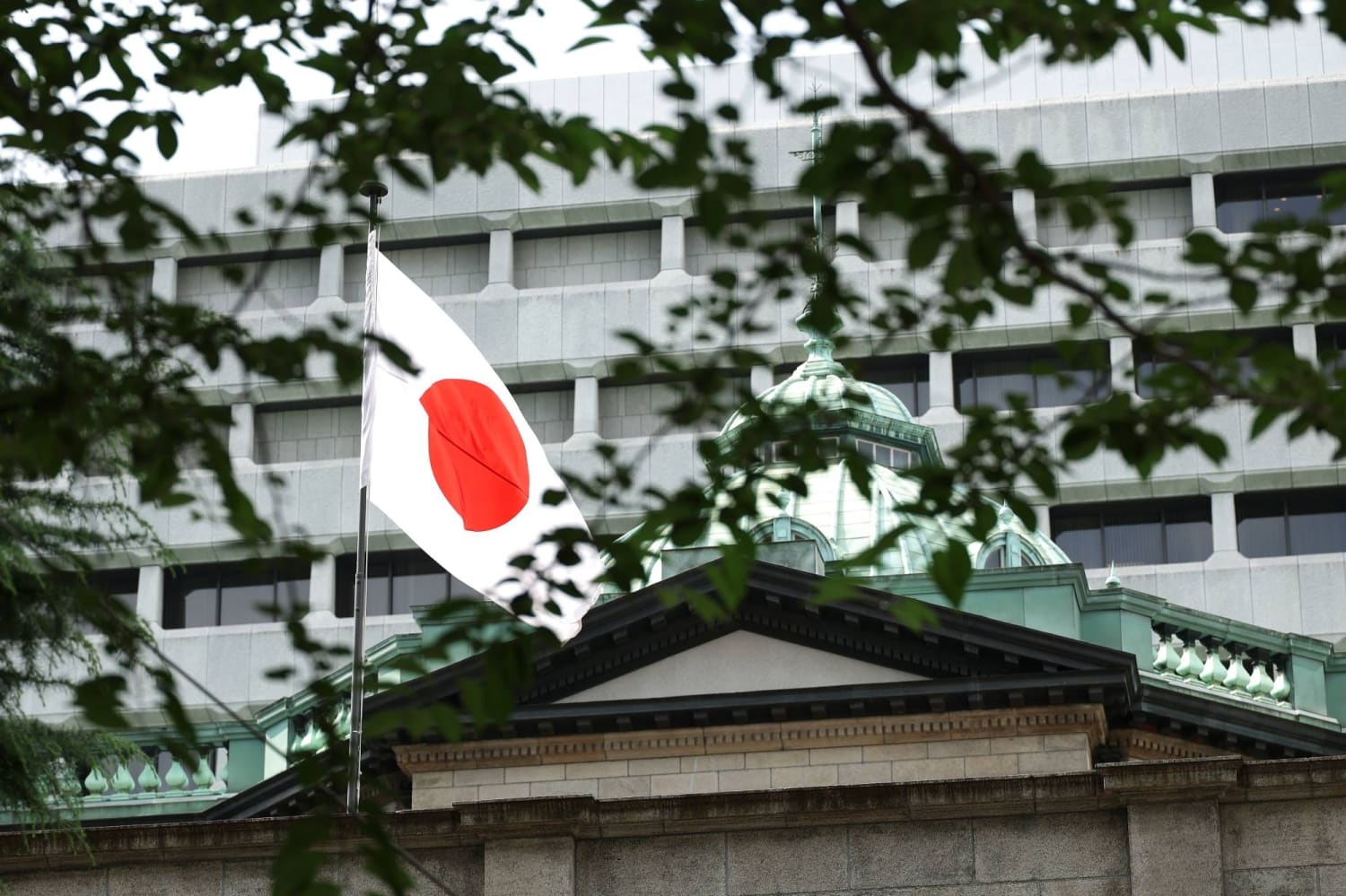
KEY TAKEAWAYS
- ·Half of surveyed economists expect the Bank of Japan to postpone its next rate hike until December, reflecting uncertainty over inflation persistence and wage growth trends.
- ·The BOJ raised its benchmark rate to 0.25 percent earlier this year and has signaled a cautious, data-dependent approach to further tightening.
- ·Key decision factors include sustained wage increases, core inflation above 2 percent, yen volatility, and external risks from China's slowdown and global trade dynamics.
Divided Outlook on Policy Timing
A survey of economists reveals a split view on the Bank of Japan's next interest rate decision, with half of respondents predicting the central bank will wait until December before raising rates again. The divided outlook reflects ongoing uncertainty about Japan's inflation trajectory and the strength of domestic demand as the BOJ navigates its gradual exit from decades of ultra-loose monetary policy.
The central bank has moved cautiously since ending its negative interest rate policy earlier this year, raising its benchmark rate to 0.25 percent in a measured step away from the stimulus framework that defined Japanese monetary policy for nearly a decade. Governor Kazuo Ueda has repeatedly emphasized the need for patience, signaling that future moves will depend heavily on incoming economic data rather than a predetermined schedule.
Inflation and Wage Dynamics Under Scrutiny
The timing debate centers on two key variables: the persistence of inflation above the BOJ's 2 percent target and the pace of wage growth across Japanese industries. Core consumer prices have held above target for over a year, driven by higher import costs and gradual pass-through of input price increases to retail goods. Yet the BOJ remains cautious about declaring victory, wary that inflation could prove transitory if global commodity prices ease or if domestic demand weakens.
Wage negotiations during this year's spring labor talks delivered the largest increases in three decades, with major corporations agreeing to base pay hikes averaging 5.3 percent. But smaller firms, which employ the majority of Japanese workers, have lagged behind, and real wage growth adjusted for inflation has remained modest. The BOJ has made clear that sustained wage increases are essential to justify further rate hikes, as they signal a structural shift in Japan's deflationary mindset.
External Risks and the Yen Factor
External factors add another layer of complexity to the BOJ's calculus. The yen has fluctuated sharply against the dollar in recent months, pressured by the interest rate differential between Japan and the United States. A weaker yen boosts import costs and contributes to inflation, but it also supports exporters and tourism revenue, complicating the policy response.
Meanwhile, China's economic slowdown and uncertainty over U.S. trade policy have raised questions about the outlook for Japan's export sector. Manufacturing activity has remained subdued, with production data showing uneven momentum across industries. The BOJ must weigh these headwinds against signs of resilience in domestic consumption and services.
Market Expectations and Forward Guidance
Financial markets have priced in a modest probability of a rate move before year-end, but the lack of consensus among economists suggests the BOJ has succeeded in keeping its options open. The central bank has avoided committing to a specific timeline, preferring to maintain flexibility as data evolves. This approach contrasts with the more predictable signaling seen from other major central banks, reflecting Japan's unique position as it unwinds extraordinary stimulus measures without triggering a sharp policy reversal.
The December timeline cited by half of surveyed economists aligns with the BOJ's quarterly Outlook Report schedule, which provides a natural window for policy adjustments accompanied by updated economic forecasts. If inflation remains elevated and wage data continue to improve, the central bank may feel confident enough to act. If not, the BOJ is likely to hold steady, reinforcing its data-dependent stance and preserving room to maneuver in 2027.
The divided forecasts underscore the delicate balance the BOJ faces: moving too quickly risks stalling a fragile recovery, while waiting too long could allow inflation expectations to become unanchored. As Japan's economic data trickles in over the coming months, the central bank's next move will hinge on whether the foundations of sustained growth and price stability are firmly in place.
RELATED STORIES
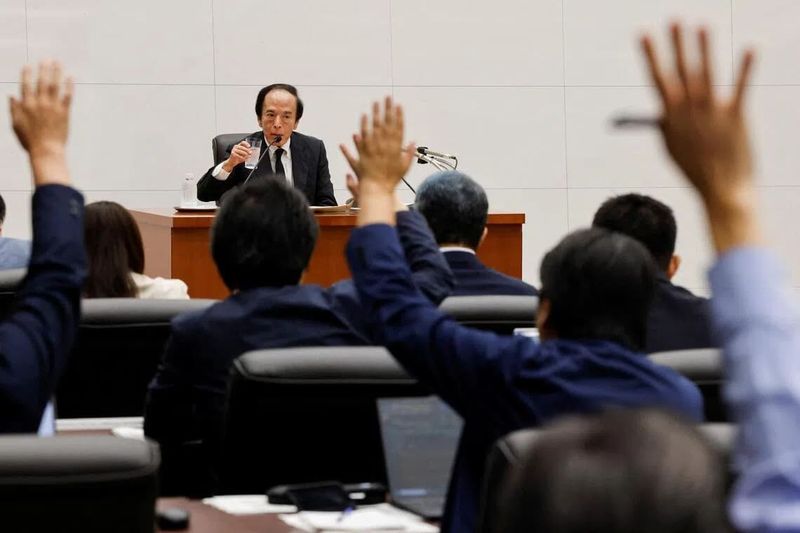
Bank of Japan Eyes Rate Increase as Inflation Risks Mount
Cheng Wei-Lun · 4 min
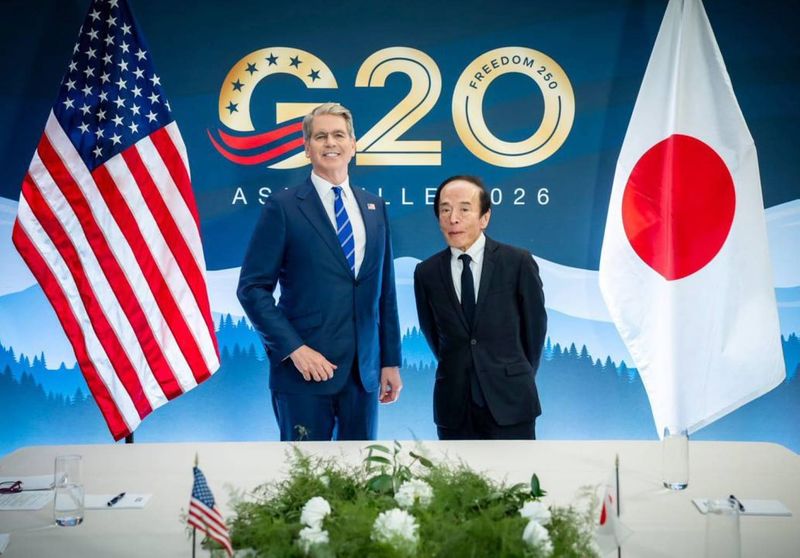
Bank of Japan Signals Possible Rate Increase This Month
Aiko Nakamura · 3 min
Japan's 10-Year Bond Yield Breaches 3% for First Time Since 1996
Aiko Nakamura · 4 min

Japan Wage Growth Hits 29-Year High, Reinforcing Central Bank Rate Path
Aiko Nakamura · 3 min
Spot something wrong? Email editor@briefasia.com. We log every correction publicly.