Technology · Startups
Early Unitree Backer Sees Consolidation Ahead in China Robotics
Veteran investor Huang Jinping, whose firm backed the humanoid robot maker, predicts market shakeout as capital floods the sector

KEY TAKEAWAYS
- ·Huang Jinping, founding partner of Winreal Investment and early backer of Unitree Robotics, warns China's robotics sector will see significant consolidation despite surging capital inflows.
- ·Winreal's portfolio spans robotics firms including Unitree, Galbot, RayNeo, Vertaxi, Lante Optics, and Jiangnan New Material Technology across hard-tech verticals.
- ·Huang draws parallels to China's wireless industry in the 1990s and 2000s, where scale and capital eventually concentrated market power in ZTE and Huawei.
A Voice From the Trenches
Huang Jinping knows what happens when a technology sector overheats. The founding partner and chairman of Winreal Investment spent 15 years at ZTE during the 1990s and 2000s, watching China's wireless communications industry evolve from nascent startups into global competitors. Now, with 15 years of hard-tech investing behind him, Huang is sounding a cautionary note on the robotics boom sweeping through China.
Winreal Investment has positioned itself squarely in the middle of China's robotics and advanced hardware wave. The firm's portfolio includes Unitree Robotics, the humanoid robot developer that has drawn international attention for its consumer-grade machines, as well as Galbot, RayNeo extended reality eyewear, electric vertical takeoff and landing firm Vertaxi, Lante Optics, and Jiangnan New Material Technology. The holdings span robotics, smart vehicles, telecommunications, and advanced optics.
Despite his firm's deep exposure to the sector, Huang is warning that the current enthusiasm will not lift all boats. The robotics industry in China, he suggests, is heading toward a period of consolidation that will separate viable businesses from also-rans.
The Capital Rush
China's robotics sector has become a magnet for venture capital and government funding over the past three years. Humanoid robots, in particular, have captured investor imagination, with companies racing to bring consumer and industrial models to market. Unitree's G1 humanoid, priced below USD 20,000, became a benchmark for affordability in a market where competitors often exceed USD 100,000 per unit.
The capital influx has accelerated development cycles and pushed dozens of startups into the public eye. Local governments across China have launched robotics industrial parks and offered subsidies to attract manufacturers. Shenzhen, Hangzhou, and Beijing have emerged as robotics hubs, each hosting clusters of startups working on everything from warehouse automation to domestic assistants.
But the proliferation of players has also raised questions about differentiation and long-term viability. Many robotics startups share similar technical architectures, rely on overlapping supply chains, and target the same customer segments. The result, according to Huang, is a market structure that cannot support the current number of entrants.
Lessons From Wireless
Huang's perspective is shaped by his years in telecommunications. When he joined ZTE in the 1990s, China's wireless sector was fragmented, with numerous domestic players vying for market share. Over time, scale advantages, R&D spending, and access to capital allowed a small number of firms to dominate. By the 2010s, ZTE and Huawei had emerged as the primary survivors, competing on a global stage while smaller rivals faded or were absorbed.
The pattern, Huang argues, is likely to repeat in robotics. Early-stage capital can fund prototypes and pilot programs, but scaling production, building distribution networks, and sustaining R&D require resources that only a handful of companies will be able to marshal. The robotics sector also faces technical challenges that go beyond hardware: software integration, supply chain resilience, and after-sales service infrastructure all demand sustained investment.
Winreal's investment thesis reflects this view. Rather than spreading capital across a broad range of startups, the firm has concentrated bets on companies it believes have the technical depth and management teams to navigate consolidation. Unitree, for instance, has focused on vertical integration, bringing more of its supply chain in-house to control costs and quality. Galbot has pursued partnerships with logistics firms to secure early revenue streams.
The Asia Angle
China's robotics boom is not happening in isolation. Japan, South Korea, and Singapore have all launched national strategies to advance robotics and automation, driven by aging populations and labor shortages. Tokyo has invested in care robots and mobility aids; Seoul has prioritized industrial automation and smart factories; Singapore has focused on warehouse robotics and autonomous delivery systems.
The regional competition adds another layer of pressure on Chinese firms. While China has advantages in manufacturing scale and cost, Japanese and South Korean companies often lead in precision engineering and software. Cross-border partnerships are emerging, but so is rivalry for talent, intellectual property, and export markets.
For investors, the Asia-wide push into robotics creates both opportunity and risk. Capital is chasing similar themes across multiple markets, raising valuations and compressing time horizons. Huang's warning about consolidation applies not just within China but across the region: the number of robotics startups currently seeking funding far exceeds the number that will achieve sustainable scale.
What Comes Next
Huang has not disclosed specific portfolio moves, but his public comments suggest Winreal is preparing for a more selective environment. The firm's focus on hard technology means it is accustomed to long development cycles and capital-intensive businesses. Robotics, however, may test even patient investors if customer adoption lags or if supply chain disruptions return.
The next 18 to 24 months will be critical. Companies that have raised Series A or Series B rounds will need to demonstrate commercial traction to secure follow-on funding. Those that cannot will face difficult choices: merge with competitors, pivot to narrower applications, or wind down. Huang's experience in telecommunications suggests that the strongest survivors will be those that can achieve scale in specific verticals rather than chase broad horizontal markets.
For now, China's robotics sector remains in expansion mode, with new entrants continuing to launch and existing players raising fresh capital. But the underlying dynamics, as Huang sees them, point toward a narrowing field. The boom, he suggests, will leave fewer winners than the current excitement implies.
RELATED STORIES
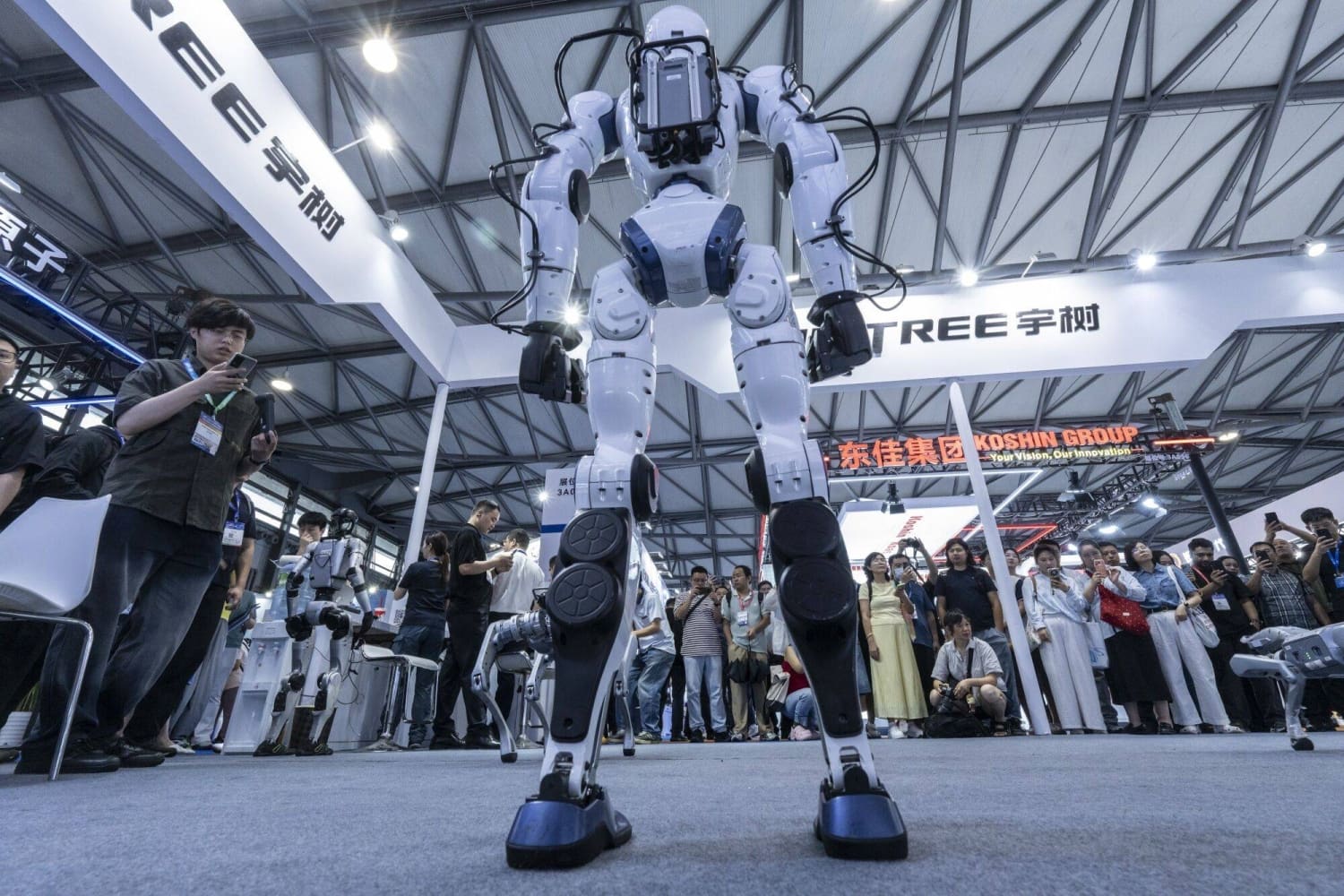
Unitree Robotics Shows R1 Humanoid at Shanghai Industry Exhibition
Cheng Wei-Lun · 2 min

China Tablet Market Shrinks as Commercial Buyers Rush Ahead of Price Hikes
Cheng Wei-Lun · 3 min
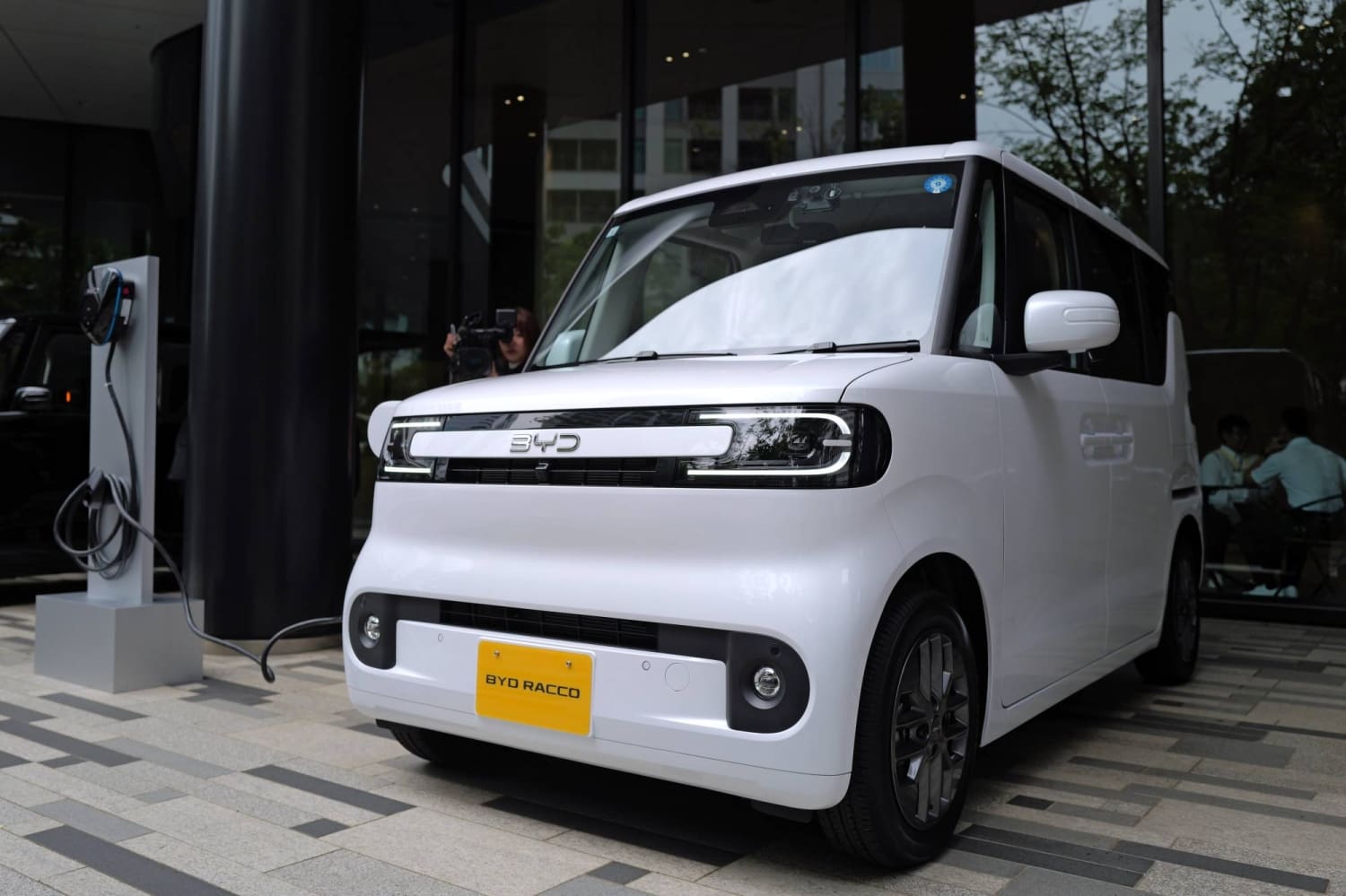
BYD Takes Another Shot at Japan's Minicar Market
Cheng Wei-Lun · 3 min
Xiaomi Shifts Weight to AI and EVs as Memory Costs Squeeze Smartphone Revenue
Cheng Wei-Lun · 3 min
Spot something wrong? Email editor@briefasia.com. We log every correction publicly.