Technology · AI
Doosan Acquires SK Siltron for $1.6 Billion in South Korea Semiconductor Consolidation
The deal pushes Doosan into wafer manufacturing while freeing SK Group capital for its AI chip ambitions, marking one of Asia's largest materials sector transactions this year.
KEY TAKEAWAYS
- ·Doosan Group is acquiring a controlling stake in SK Siltron for KRW2.3 trillion, or roughly $1.6 billion, expanding its semiconductor operations into wafer manufacturing.
- ·The transaction allows SK Group to redirect capital toward AI chip development and custom accelerator projects, areas with higher margins and strategic priority.
- ·The deal reflects rising valuations for wafer assets as AI workloads tighten supply and South Korea pursues vertical integration across its semiconductor ecosystem.
Doosan Moves Upstream in Semiconductor Value Chain
Doosan Group has agreed to purchase a controlling stake in SK Siltron for KRW2.3 trillion, equivalent to approximately $1.6 billion, according to the company. The transaction moves the South Korean industrial conglomerate deeper into semiconductor manufacturing, adding wafer production capacity to its existing materials and testing operations.
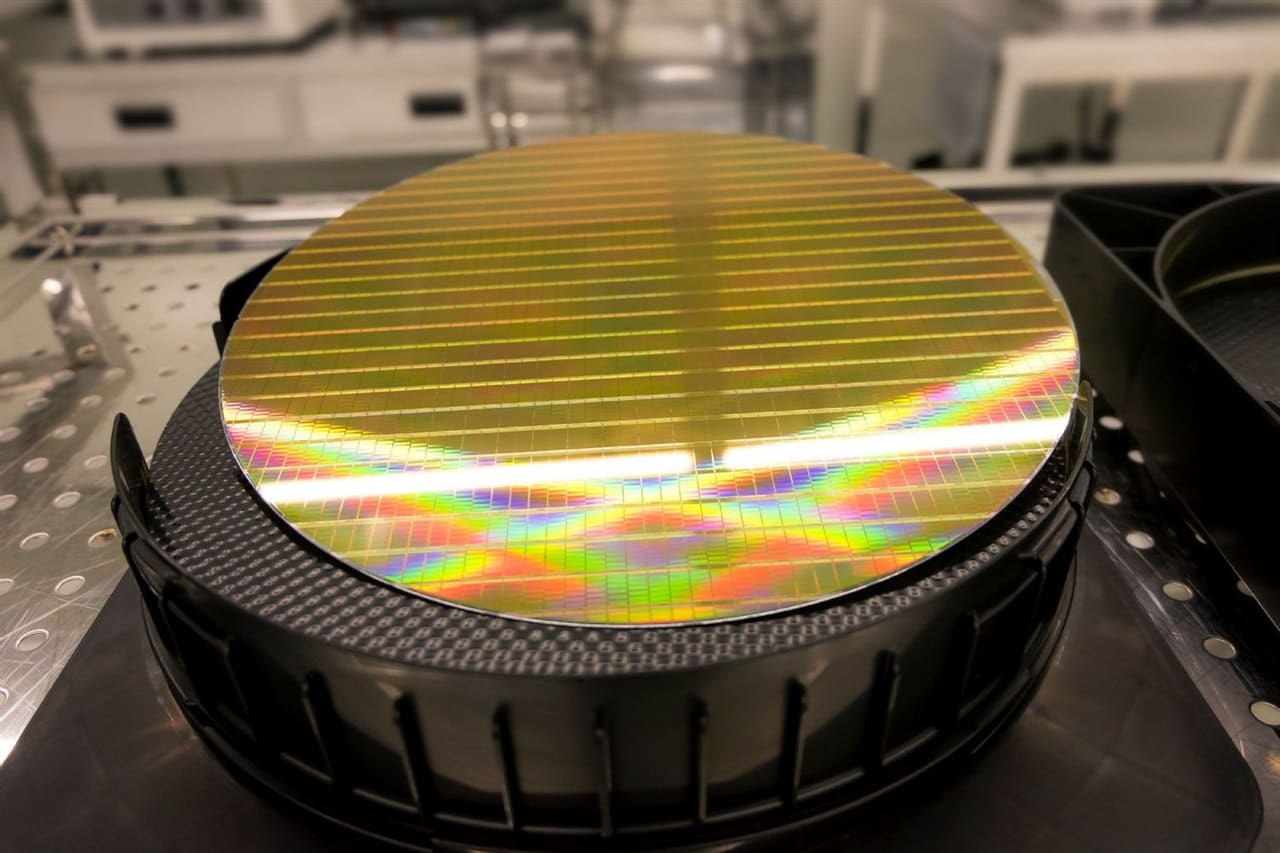
SK Siltron produces silicon wafers used in chip fabrication, serving foundries and integrated device manufacturers across Asia and beyond. The acquisition gives Doosan direct exposure to the substrate layer of the semiconductor stack, a segment that has seen tightening supply and rising pricing power as logic and memory fabs expand capacity.
For SK Group, the deal provides liquidity to redeploy into its artificial intelligence semiconductor initiatives. The parent company has been building out its AI infrastructure portfolio, including investments in custom accelerator design and high-bandwidth memory, areas that require sustained capital outlays and longer development cycles than commodity wafer manufacturing.
AI Demand Recalibrates Wafer Market Dynamics
The valuation assigned to SK Siltron reflects a broader shift in how investors and acquirers are pricing wafer assets. Historically viewed as a mature, capital-intensive business with modest margins, wafer manufacturing has gained strategic importance as AI workloads drive demand for leading-edge process nodes and advanced packaging substrates.
Doosan's entry into this segment signals confidence that wafer supply will remain a bottleneck even as new fabs come online. The company already supplies chemical mechanical planarization slurries, etch gases, and back-end testing equipment to chipmakers in South Korea, Taiwan, and Japan. Vertical integration into wafers positions Doosan to capture more value per chip produced and strengthens its negotiating leverage with foundry customers.
The transaction also underscores how conglomerates in South Korea are reallocating assets to align with national semiconductor priorities. Seoul has committed tens of billions of dollars in subsidies and tax incentives to bolster domestic chip production, particularly in logic and memory, as part of its response to supply chain vulnerabilities exposed during the pandemic and ongoing export control regimes.
Strategic Realignment for Both Groups
Doosan has been methodical in building its semiconductor exposure over the past five years. The group entered the sector through acquisitions of materials suppliers and assembly test firms, avoiding the capital intensity of fab ownership while staying close to production bottlenecks. The SK Siltron purchase represents its first move into front-end manufacturing infrastructure.
SK Group, meanwhile, has been shedding non-core assets to concentrate resources on AI and data center technologies. The group's semiconductor arm has announced partnerships with hyperscale cloud providers and is developing custom silicon for inference workloads, a segment where margins and differentiation potential are higher than in commodity wafer supply.
Industry observers note that the deal may prompt similar consolidation among materials and equipment suppliers in the region. As chipmakers pursue vertical integration to secure supply and improve yields, upstream players face pressure to scale or risk being squeezed on pricing and access.
Regulatory and Operational Integration Ahead
The transaction remains subject to regulatory approval from South Korea's Fair Trade Commission and antitrust authorities in jurisdictions where both companies operate. Doosan has indicated it expects the deal to close within the next six to nine months, pending standard reviews.
Integration will require aligning SK Siltron's production planning with Doosan's existing materials delivery schedules to capture synergies in logistics and inventory management. The companies have not disclosed whether they plan to consolidate manufacturing sites or maintain separate operations under shared ownership.
For South Korea's semiconductor ecosystem, the transaction reinforces the trend of conglomerates taking larger, more integrated positions across the supply chain. As AI-driven demand reshapes investment priorities, wafer manufacturing is no longer seen as a commodity play but as a strategic asset worth premium valuations and long-term commitments.
RELATED STORIES

South Korea Records Highest September Export Start on Semiconductor Demand
Tran Quoc Bao · 3 min

Samsung's Device Division Reports First Quarterly Loss as Chip Costs Surge
Cheng Wei-Lun · 3 min
Samsung and SK Hynix Turn Down KEPCO's Multibillion-Dollar Prepayment Demand
Cheng Wei-Lun · 4 min
SK Hynix May Fast-Track Gwangju Fab Investment Alongside Yongin Expansion
Jun-ho Seo · 3 min
Spot something wrong? Email editor@briefasia.com. We log every correction publicly.