Technology · AI
DeepSeek V4-Flash Undercuts Global AI Rivals by 100x on Operating Costs
Chinese startup's latest model runs at $0.03 per benchmark test, reshaping cost dynamics for enterprise AI deployment across Asia and beyond

KEY TAKEAWAYS
- ·DeepSeek's V4-Flash model operates at $0.03 per benchmark test, over 100 times cheaper than Anthropic's Claude Fable 5 at $3.15, according to Artificial Analysis.
- ·The model scored 50 out of 100 on intelligence benchmarks, matching Google's Gemini 3.6 Flash but trailing Moonshot's Kimi K3 and premium offerings from OpenAI and Anthropic.
- ·Ultra-low pricing intensifies competition among Chinese AI firms and pressures American rivals to justify premium costs as enterprises prioritize cost per inference at scale.
A New Benchmark in AI Economics
DeepSeek released its V4-Flash model last Friday, establishing a fresh floor for artificial intelligence operating costs that could force American and Chinese competitors to reconsider their pricing strategies. The model costs $0.03 per benchmark test to run, dwarfing the efficiency of established alternatives, according to data from Artificial Analysis.
The Chinese startup charges $0.14 per million input tokens and $0.28 per million output tokens. By comparison, Anthropic's Claude Fable 5 runs at $3.15 per test, while OpenAI's GPT-5.6 Sol costs $1.86. Even domestic rival Moonshot AI's Kimi K3 comes in at $0.86 per test, nearly 30 times higher than DeepSeek's offering.
The gap matters because tokens measure the volume of data an AI model ingests and produces. Raw pricing can mislead if a model requires excessive processing steps to deliver results. Artificial Analysis's methodology accounts for actual computational overhead, providing enterprises with a clearer view of total cost of ownership.
Performance Trade-Offs Remain
DeepSeek's V4-Flash scored 50 out of 100 on Artificial Analysis's Intelligence Index, which aggregates nine benchmarks covering coding, reasoning, and workplace tasks. That places it level with Google's Gemini 3.6 Flash and one point behind Meta's Muse Spark 1.1 and Zhipu's GLM-5.2.
Moonshot's Kimi K3 reached 57, while top-tier models from Anthropic and OpenAI scored nine or more points higher. The performance delta reflects a familiar pattern in AI development: extreme cost efficiency often comes with capability concessions, particularly on complex reasoning tasks that demand deeper computational resources.
DeepSeek has not yet released V4-Pro, a more powerful iteration designed to close the performance gap. The company has not provided a launch date.
Intensifying Competition Across Asia
DeepSeek dominated headlines around Chinese AI development early last year after its R1 model triggered a global technology stock sell-off and prompted questions about capital intensity in American AI programs. That momentum has since fragmented as ByteDance, Alibaba, MiniMax, and Zhipu entered the fray with their own low-cost models.
Alibaba unveiled Qwen3.8-Max on Monday, its largest model to date, positioning it close in scale to Moonshot's recent release. The proliferation of competitive offerings from Beijing-based firms reflects a strategic pivot toward volume adoption in enterprise markets, where cost per inference can determine whether AI deployment scales or stalls.
The battle extends beyond China's borders. Startups and tech giants alike are targeting businesses in Southeast Asia, India, and Latin America, regions where budget constraints make DeepSeek's price point particularly attractive. For companies deploying AI at scale across customer service, content generation, or data analysis workflows, the difference between $0.03 and $3.15 per test compounds rapidly.
Implications for Global AI Infrastructure
DeepSeek's pricing puts pressure on American firms that have invested tens of billions of dollars in proprietary infrastructure and training runs. If a model priced at three cents per test delivers adequate performance for mainstream enterprise tasks, it undercuts the business case for premium models that cost 100 times more to operate.
The dynamic also complicates capital allocation decisions. Nvidia and other semiconductor suppliers have benefited from surging demand for high-end GPUs as AI labs pursue ever-larger training clusters. If cost-optimized inference becomes the dominant buying criterion, demand may shift toward efficiency-focused chips and architectures rather than raw computational horsepower.
Asian markets are likely to see faster adoption of ultra-low-cost models. Infrastructure costs in emerging economies remain higher relative to GDP, and local enterprises often lack the capital reserves to absorb premium AI pricing. DeepSeek's model could accelerate AI penetration in sectors like retail, logistics, and finance across the region, particularly if integration partners build localized wrappers and support.
What Comes Next
The immediate question is whether competitors respond with matching price cuts or differentiate on performance and reliability. Anthropic and OpenAI have historically emphasized safety, alignment, and enterprise-grade support, attributes that command premium pricing in regulated industries.
DeepSeek's challenge is to maintain its cost advantage while scaling infrastructure and customer acquisition. The company's ability to deliver consistent uptime, model updates, and developer tools will determine whether its pricing translates into market share or remains a novelty in benchmarking reports.
For enterprises evaluating AI vendors, the calculus has shifted. Cost per inference now carries as much weight as model capability, and Asian providers are setting the terms of that conversation.
RELATED STORIES
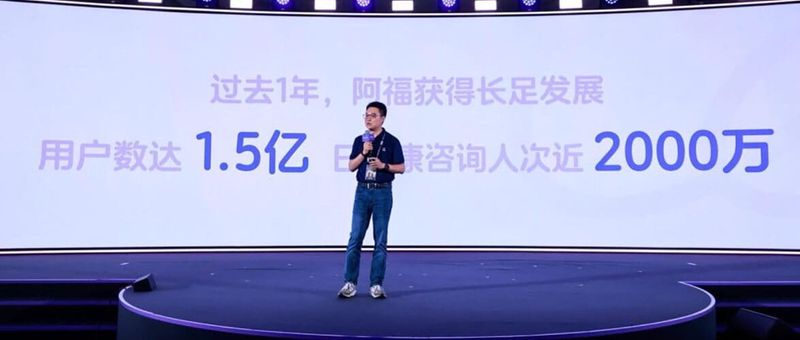
Ant Group's Health Platform Logs 150 Million Users as Digital Wellness Gains Traction
Siti Nuraini · 3 min
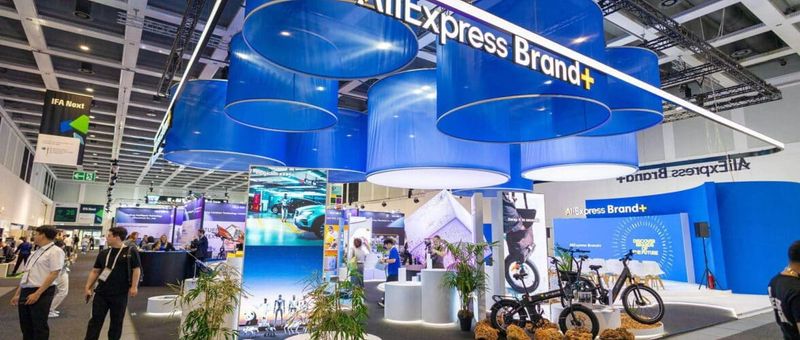
AliExpress Shifts Focus to Brand Building as AI Hardware Sales Surge Overseas
Cheng Wei-Lun · 2 min
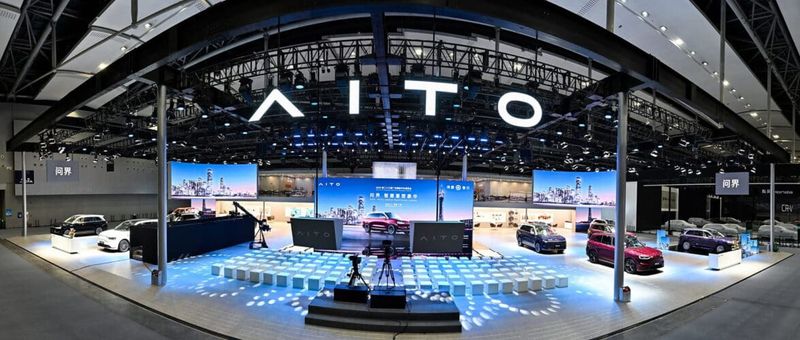
Seres Assumes Full Control of Aito Brand as Huawei Steps Back
Jun-ho Seo · 3 min
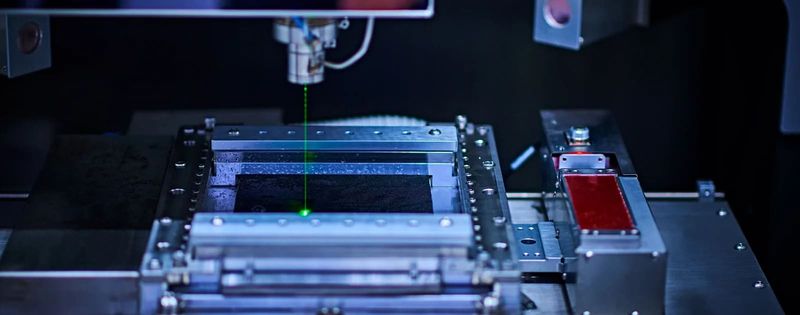
Lithuania's Laser Industry Powers Taiwan's Chip Manufacturing Edge
Cheng Wei-Lun · 2 min
Spot something wrong? Email editor@briefasia.com. We log every correction publicly.