Finance · Deals
DatVietVAC Turns Profitable in First Half, Eyes Concert Season Boost
Vietnamese entertainment conglomerate reports $5.2 million profit as IP commercialization and live events pipeline fills for year-end push
KEY TAKEAWAYS
- ·DatVietVAC reported $5.2 million net profit for the first half of 2026, with management forecasting stronger performance in the second half.
- ·The company expects acceleration driven by a packed concert calendar and IP commercialization activities concentrated between September and December.
- ·Vietnam's live entertainment market benefits from favorable demographics and rising urban disposable incomes, with 60 to 65 percent of annual concert revenue typically concentrated in the final four months.
Entertainment Pipeline Fills for Second Half
DatViet VAC Group Holdings JSC delivered a net profit of $5.2 million in the first six months of 2026, setting the stage for what management expects will be a significantly stronger second half as the Vietnamese entertainment conglomerate enters peak season for live events and intellectual property commercialization.
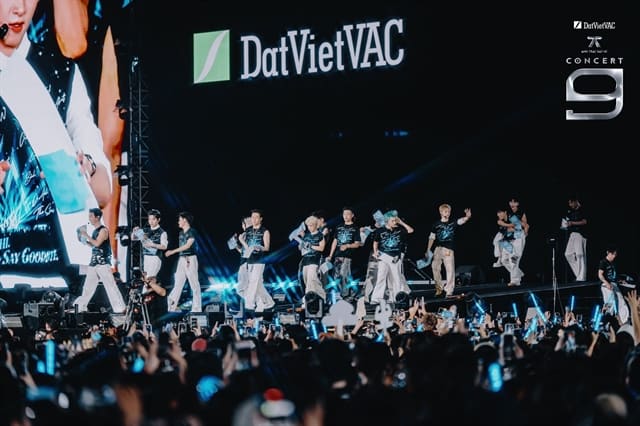
The company anticipates business momentum will accelerate through year-end, driven by a packed calendar of major concerts and entertainment programs scheduled between September and December. DatVietVAC has positioned itself as a key player in Vietnam's rapidly expanding live entertainment sector, which has seen robust growth as consumer spending on experiences continues to rise across Southeast Asia's third-largest economy.
The first-half performance marks a turnaround for the Ho Chi Minh City-based firm, which has invested heavily in building out its concert promotion infrastructure and securing IP rights across multiple entertainment verticals. Management pointed to the timing of major events as the primary driver of the anticipated second-half uptick, with most high-revenue concerts traditionally concentrated in the final quarter when weather conditions are more favorable and holiday spending peaks.
Regional Concert Economics Drive Outlook
Vietnam's live entertainment market has emerged as one of the fastest-growing segments in Southeast Asia's cultural economy, fueled by a young demographic profile and rising disposable incomes in urban centers. The country's median age of 32 and a burgeoning middle class have created fertile ground for concert promoters and IP holders, with ticket sales for international and domestic acts climbing steadily over the past three years.
DatVietVAC's business model centers on three revenue streams: concert promotion and venue management, IP licensing and commercialization, and content production for digital platforms. The company has secured exclusive promotion rights for several major international touring acts and has built partnerships with regional artists whose fan bases span multiple Southeast Asian markets.
The second-half concert calendar typically generates disproportionate revenue for Vietnamese promoters. Cooler weather from October through December makes outdoor venues more viable, while the holiday season from late autumn through Lunar New Year drives higher consumer spending on entertainment. Industry data shows that roughly 60 to 65 percent of annual concert ticket revenue in Vietnam is concentrated in the final four months of the calendar year.
DatVietVAC has also expanded its IP monetization strategy beyond traditional concert promotion. The company has invested in acquiring rights to popular entertainment franchises and is working to commercialize these assets through merchandise, digital content, and licensing deals with brands targeting Vietnamese youth demographics. This diversification aims to smooth revenue volatility inherent in event-based business models, where income can swing sharply based on the timing and success of individual shows.
Market Position and Competitive Landscape
The Vietnamese entertainment sector has attracted growing interest from both domestic conglomerates and regional players seeking exposure to the country's demographic tailwinds. Several Bangkok-based and Singapore-based promoters have entered the market over the past two years, intensifying competition for venue access and artist bookings.
DatVietVAC has responded by locking in multi-year venue agreements and building direct relationships with artist management teams across Asia. The company operates concert facilities in Ho Chi Minh City and Hanoi, and has partnerships with municipal venues that give it priority booking windows during peak season.
The firm's IP strategy also reflects a broader shift in how Asian entertainment companies are thinking about revenue durability. Rather than relying solely on one-off event ticket sales, DatVietVAC is building franchises that can generate recurring income through digital streaming, merchandise, and brand partnerships. This approach mirrors strategies employed by larger regional entertainment groups in South Korea and Japan, where IP monetization has become a cornerstone of long-term value creation.
Vietnam's regulatory environment for live events has also evolved, with authorities streamlining permitting processes for concerts and cultural programs in major cities. This has reduced lead times for event planning and allowed promoters to book international acts with greater confidence, contributing to the surge in scheduled performances.
Financial Structure and Capital Allocation
The $5.2 million first-half profit provides DatVietVAC with capital to invest in additional IP acquisitions and venue infrastructure ahead of what management expects will be a strong finish to 2026. The company has signaled interest in expanding beyond its core markets of Ho Chi Minh City and Hanoi, with potential venue partnerships in Da Nang and Can Tho under evaluation.
Cash flow timing remains a key consideration for event-driven businesses. Concert promoters typically incur significant upfront costs for artist fees, venue deposits, and marketing several months before ticket revenue materializes. DatVietVAC's first-half profitability suggests the company has managed working capital effectively, maintaining liquidity while building out its second-half event pipeline.
The company's performance also reflects broader trends in Asia's entertainment economy, where live experiences have rebounded strongly following pandemic-era disruptions. Consumer appetite for concerts and large-scale events has proven resilient even as digital entertainment options proliferate, with audiences willing to pay premium prices for in-person experiences featuring popular artists.
DatVietVAC's optimism about the second half hinges on execution across a concentrated window of high-stakes events. Weather disruptions, regulatory changes, or shifts in consumer sentiment could all impact results. However, the company's diversified revenue base and established market position provide some buffer against individual event underperformance.
The next six months will test whether DatVietVAC's concert calendar and IP commercialization strategy can deliver the acceleration management has forecast, and whether the company can sustain momentum into 2027 as competition for both talent and audiences intensifies across Southeast Asia's entertainment landscape.
RELATED STORIES

Vietnam's Stock Index Expected to Hold Near 1,800 as Markets Consolidate
Tran Quoc Bao · 3 min

Vietnam's Gold Bars Retreat as Traders Lock in Gains After Seven-Week Rally
Priyanka V. Rao · 5 min

Vietnam Pours Capital Into Laos as Vientiane Seeks Relief From Beijing Debt
Priyanka V. Rao · 4 min

Vietnamese Gold Hits Two-Week High as US Jobs Data Lifts Global Prices
Priyanka V. Rao · 2 min
Spot something wrong? Email editor@briefasia.com. We log every correction publicly.