Technology · Dev
CXMT Eyes Second Beijing DRAM Plant as Chinese Cities Vie for Memory Production
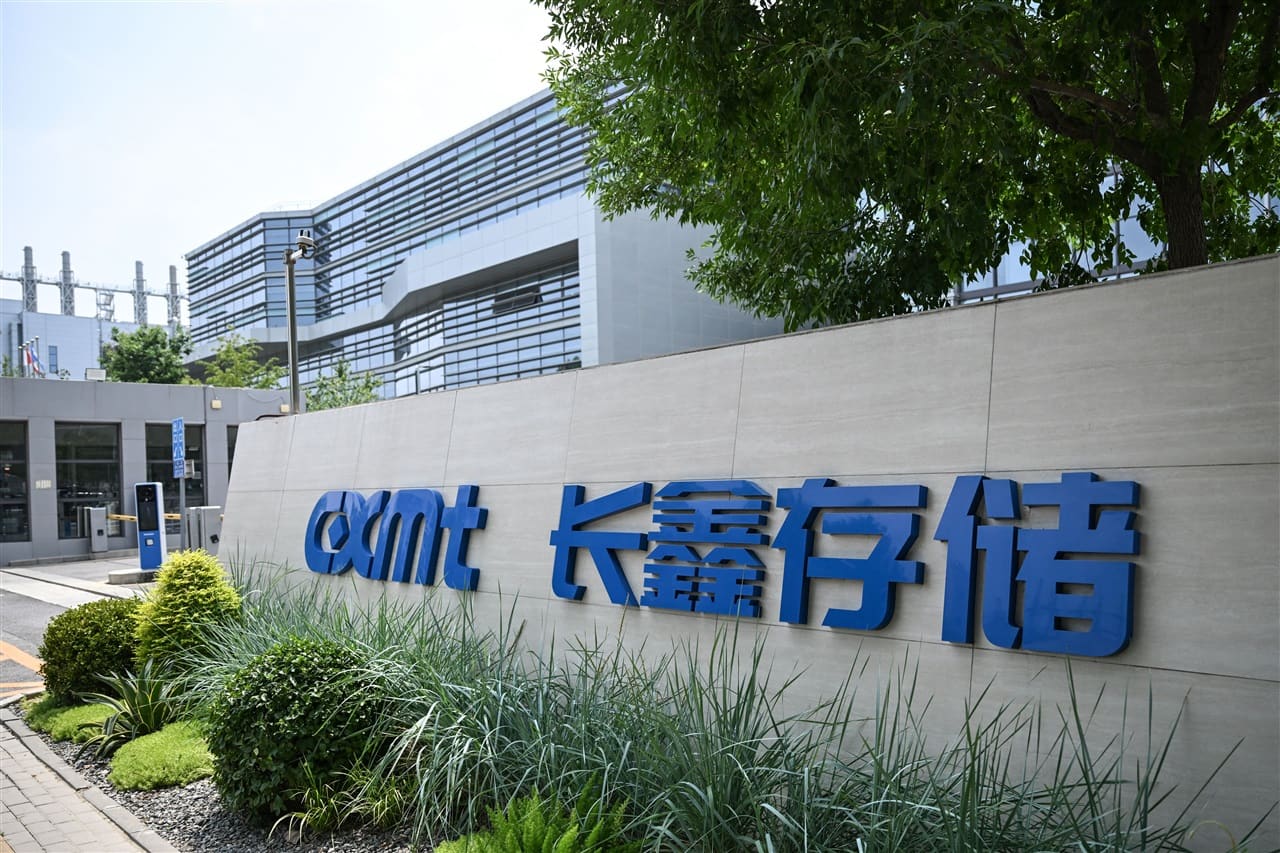
China's largest DRAM manufacturer explores expansion in the capital's Yizhuang district amid growing AI-driven memory demand
KEY TAKEAWAYS
- ·ChangXin Memory Technologies is in early financing talks with Beijing-backed entities for a second 12-inch DRAM fab in the capital's Yizhuang district.
- ·The move reflects intensifying competition among Chinese municipalities to secure advanced chipmaking capacity as AI workloads drive memory demand higher.
- ·Any formal agreement will draw fresh scrutiny from Washington, which has imposed export controls limiting CXMT's access to leading-edge manufacturing equipment.
Beijing's Memory Manufacturing Push
ChangXin Memory Technologies is exploring a second 12-inch DRAM fabrication facility in Beijing's Yizhuang district, according to the company. The move would mark a significant geographic expansion for China's only large-scale DRAM producer, which currently operates its primary manufacturing base in Hefei, Anhui province.
The Yizhuang project remains in preliminary stages, with CXMT holding initial financing discussions with investment vehicles connected to the Beijing municipal government. No timeline or investment figure has been disclosed, but industry observers note that a modern 12-inch memory fab typically requires capital outlays exceeding $10 billion and multi-year construction cycles.
Beijing's Yizhuang Economic and Technological Development Area already hosts semiconductor operations from several Chinese chipmakers. The district has positioned itself as a strategic hub for advanced manufacturing, offering land subsidies, tax incentives, and streamlined permitting to attract high-tech production. A second CXMT plant would reinforce that positioning and create a northern counterweight to the Yangtze River Delta cluster where Hefei sits.
Regional Competition for Chip Capacity
The Beijing talks underscore a broader pattern across China, where provincial and municipal governments compete to anchor memory and logic chip production within their jurisdictions. Local officials view semiconductor fabs as economic engines that generate high-wage jobs, attract ancillary suppliers, and burnish innovation credentials.
CXMT's existing Hefei campus has benefited from sustained support by the Anhui provincial government, which took an equity stake in the company and facilitated land acquisition. That model has been replicated elsewhere: Fujian province backed Fujian Jinhua, Wuhan steered investment toward Yangtze Memory Technologies, and Chongqing courted SK hynix for a packaging facility.
Beijing's entry into the bidding for a second CXMT site reflects the capital's ambition to secure a larger share of domestic semiconductor output. The municipality has already committed resources to logic chipmakers and design houses; adding leading-edge DRAM production would round out its portfolio.
Tight Memory Supply and AI Demand
The timing aligns with a sharp upturn in memory chip demand driven by artificial intelligence workloads. Data-center operators are deploying servers equipped with high-bandwidth memory to support large language models and inference tasks, tightening supply for both DRAM and NAND. Spot prices for DDR5 modules rose more than 30 percent in the first half of 2026, and lead times for HBM3 shipments have stretched beyond six months.
CXMT has ramped production of DDR4 and early DDR5 products, but its output remains a fraction of that commanded by Samsung, SK hynix, and Micron. A second fab would help close that gap and reduce China's reliance on imported memory, a strategic priority for Beijing amid ongoing export controls imposed by the United States and its allies.
Those controls have restricted CXMT's access to the most advanced lithography and deposition tools, slowing its roadmap for next-generation products. The company has sought workarounds through domestic equipment suppliers and older-generation toolsets, an approach that increases capital intensity but preserves some degree of technological progress.
What Comes Next
Industry watchers will monitor whether CXMT formalizes a deal with Beijing's investment entities and secures the necessary equipment export licenses. The company has not commented publicly on the Yizhuang project beyond confirming early-stage discussions. Any announcement would likely trigger renewed scrutiny from Washington, which has previously sanctioned Chinese memory makers on national-security grounds.
Meanwhile, other Chinese cities are expected to intensify their own pitches. Nanjing, Chengdu, and Xi'an have all signaled interest in hosting additional semiconductor capacity, and municipal budgets remain flush despite broader fiscal pressures. The competition suggests that China's memory manufacturing footprint will continue expanding, even as geopolitical headwinds complicate the technology transfer required to reach parity with incumbent leaders.
RELATED STORIES
Huawei Unveils Sub-800-Gram Laptop Running Homegrown Kirin Chip
Cheng Wei-Lun · 3 min
Beijing's AI Bar Offers Free DeepSeek Access as Price Wars Reshape Global Market
Cheng Wei-Lun · 3 min

ByteDance Founder Rules Out AI Distillation Amid US Scrutiny
Cheng Wei-Lun · 4 min

Asia's Memory Makers Shift Focus as DRAM Margins Challenge HBM Dominance
Cheng Wei-Lun · 4 min
Spot something wrong? Email editor@briefasia.com. We log every correction publicly.