Real Estate · Land
Construction Material Costs Rise at Sharpest Rate Since 2023
Manila sees building supply prices accelerate 2.1% in July, driven by painting materials and Middle East conflict spillover effects on global commodity markets
KEY TAKEAWAYS
- ·Building material prices in Metro Manila rose 2.1 percent in July, the fastest monthly increase since May 2023, with painting materials leading the surge at 2.7 percent growth.
- ·The Middle East conflict that began in February has driven global crude oil prices higher, raising import costs and construction material prices across the Philippines.
- ·Government infrastructure spending acceleration and ongoing geopolitical risks are expected to sustain upward pressure on material costs and real estate project budgets in coming months.
Prices Surge Across Multiple Categories
Building material costs in Metro Manila climbed 2.1 percent in July compared to the previous month, marking the steepest acceleration since May 2023, according to the Philippine Statistics Authority. The Construction Material Retail Price Index recorded a 2.6 percent increase that month, making July's figure the highest in more than three years.
The latest uptick represents a notable acceleration from June's 1.8 percent growth and significantly outpaces the one percent rise recorded in July 2025. For the January-to-July period, average price growth stood at 1.6 percent, the PSA data showed.
Painting materials and related compounds led the surge, with prices rising 2.7 percent in July from 2.3 percent the month prior. Five additional categories posted faster growth: electrical materials increased 1.9 percent from 1.7 percent, masonry materials climbed 2.4 percent from 2.3 percent, plumbing materials rose 0.9 percent from 0.7 percent, tinsmithry materials jumped 3.1 percent from three percent, and miscellaneous construction materials advanced 1.8 percent from 1.5 percent. Carpentry materials held steady at 0.9 percent growth for the second consecutive month.
Middle East Conflict Drives Commodity Pressure
The escalation stems largely from geopolitical tensions that erupted in February, according to Rizal Commercial Banking Corp. chief economist Michael Ricafort. The Middle East conflict has pushed global crude oil prices higher, creating a cascade effect that elevated import costs, pressured the Philippine peso, and ultimately drove up construction material prices across the board.
Oil price volatility has historically exerted significant influence on building supply costs in Southeast Asia, where many economies rely heavily on imported petroleum products for manufacturing and logistics. The Philippines, which imports roughly 90 percent of its crude oil requirements, remains particularly exposed to global energy market swings.
Infrastructure Spending and Market Outlook
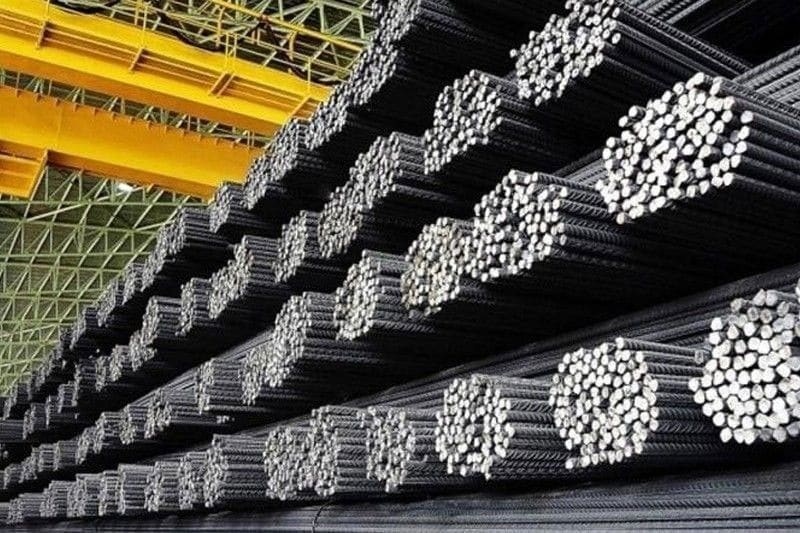
Government infrastructure acceleration is expected to sustain demand pressure in coming months. The Philippine administration has signaled intentions to accelerate public works spending in the second half of 2026, which typically translates into heightened procurement of cement, steel, and other core materials.
Ricafort noted that Middle East developments will continue to shape crude oil trajectories, inflation dynamics, and interest rate policies, all of which feed directly into real estate demand, new project launches, and buyer activity. The interplay between commodity costs and borrowing rates will be particularly critical as developers weigh project timelines against financing expenses.
For contractors and property developers operating in Metro Manila, the July figures underscore a tightening cost environment. Firms that locked in material contracts earlier in the year have gained a buffer, while those sourcing supplies on a spot basis face margin compression. The construction sector accounts for roughly seven percent of Philippine GDP, making material cost trends a meaningful indicator for broader economic health.
The PSA's Construction Material Retail Price Index tracks retail prices of seven commodity groups across Metro Manila, serving as a key gauge for project budgeting and cost estimation in the National Capital Region. With infrastructure commitments ramping up and geopolitical risks persisting, market participants are closely monitoring monthly index movements for signals on cost trajectory and project feasibility.
RELATED STORIES
Ayala Land Shifts Focus to Tenant Mix After Completing Major Mall Upgrades
Priyanka V. Rao · 3 min
Sand Prices Surge 15 Percent in Parts of Malaysia as Construction Costs Edge Up
Priyanka V. Rao · 3 min
Dito Telecommunity Eyes Data Center Push, But Profit Must Come First
Priyanka V. Rao · 3 min
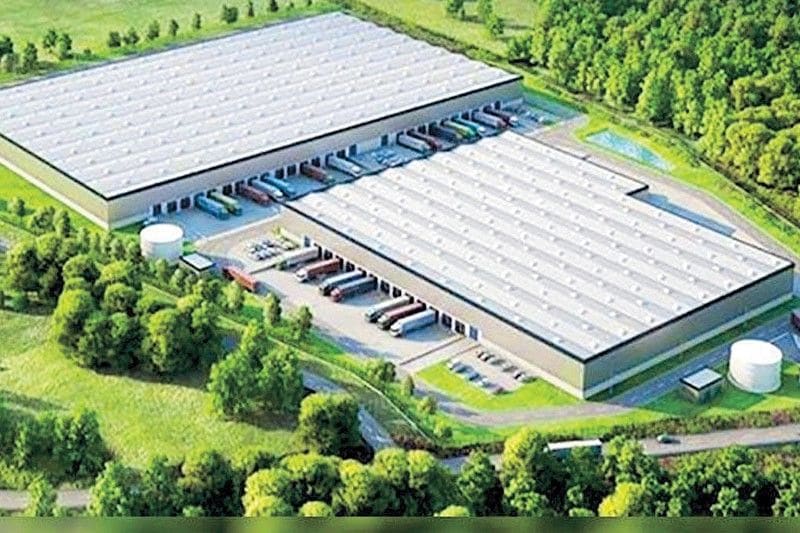
Philippines Races to Launch $80 Million Food Hub in Clark by Late 2027
Mariel D. Santos · 3 min
Spot something wrong? Email editor@briefasia.com. We log every correction publicly.