Asia · Business
Citigroup's Fraser Sees Opening in US-China Ties After Beijing Summit
The Wall Street bank's chief executive was among 17 business leaders who accompanied President Trump on his May visit to the Chinese capital
KEY TAKEAWAYS
- ·Citigroup CEO Jane Fraser joined 17 business leaders on President Trump's three-day Beijing visit in mid-May, held at the Great Hall of the People.
- ·The summit focused on stabilizing financial ties as US banks seek expanded licenses and operating permissions in China's domestic capital markets.
- ·Outcomes will hinge on technical negotiations over securities underwriting, asset management ventures, and foreign exchange trading permissions in coming months.
A Strategic Invitation
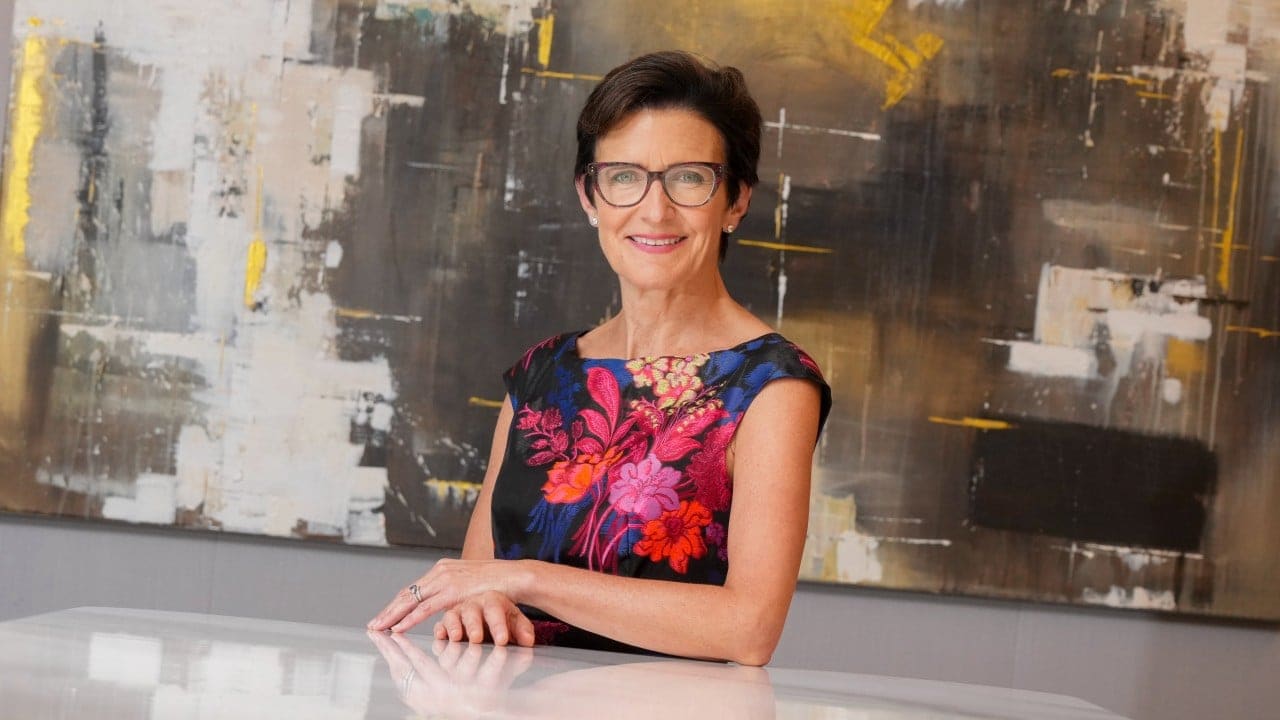
Jane Fraser stood on the western steps of the Great Hall of the People in mid-May, part of a carefully selected delegation that accompanied President Donald Trump during his three-day state visit to Beijing. The Citigroup chief executive was one of just 17 business leaders invited to join the diplomatic mission from May 13 to May 15.
For Fraser, the trip represented more than ceremonial protocol. The gathering at the massive complex near Tiananmen Square, where China conducts legislative sessions and hosts foreign dignitaries, offered direct access to senior Chinese officials at a moment when cross-border capital flows face continued scrutiny on both sides of the Pacific.
Reading the Room
The composition of the delegation itself carried significance. Citigroup operates one of the most extensive international networks among US banks, with a presence spanning more than 90 countries and jurisdictions. Fraser's inclusion reflected Washington's recognition that financial infrastructure remains critical to any sustainable economic relationship with Beijing, even as technology and manufacturing sectors face tighter restrictions.
The timing also mattered. Trump's visit came as both governments have signaled interest in stabilizing commercial ties after years of escalating tariffs, export controls, and investment screening mechanisms. For multinational banks, regulatory clarity in both markets directly affects their ability to facilitate trade finance, foreign exchange transactions, and capital market activity across Asia.
What Banks Want
US financial institutions have long sought greater operating latitude in China's domestic market. Securities joint ventures, asset management licenses, and expanded underwriting permissions have been negotiated in stages over the past decade, often tied to broader trade negotiations.
Fraser has previously emphasized that Citigroup's strategy in Asia focuses on serving multinational corporations and institutional clients rather than competing head-to-head with local retail banks. That positioning may offer a less politically sensitive path than consumer-facing businesses, which raise data sovereignty and competitive concerns among Chinese regulators.
The bank currently holds stakes in China-focused ventures and maintains offices in major commercial centers including Shanghai, Beijing, and Guangzhou. Expanding those operations, or gaining new permissions for yuan-denominated services, would require approvals from the China Banking and Insurance Regulatory Commission.
The Diplomatic Calculus
Presidential visits of this scale typically produce memorandums of understanding, often focused on agricultural purchases, energy contracts, or infrastructure commitments. Financial services agreements tend to be more technical and slower to materialize, hinging on reciprocal market access and regulatory coordination.
For Beijing, demonstrating openness to American financial firms serves multiple purposes. It signals confidence in domestic capital markets, reassures foreign investors more broadly, and provides leverage in negotiations over other sectors where China seeks access to US technology or reduces tariff burdens on its exports.
The Great Hall setting itself carried symbolic weight. Built in the late 1950s, the structure serves as the venue for National People's Congress sessions and state banquets. Hosting foreign business leaders there, alongside diplomatic counterparts, frames economic engagement as a matter of national priority rather than routine commerce.
Asia's Financial Crossroads
The outcome of US-China financial negotiations reverberates across the region. Hong Kong, Singapore, and Tokyo all compete to serve as hubs for yuan internationalization and cross-border investment flows. Clearer rules for American banks operating in mainland China could either reinforce Hong Kong's role as a gateway or shift more activity directly to Shanghai and Shenzhen.
Southeast Asian economies, many of which count both the United States and China as top trading partners, watch these developments closely. Trade finance for Vietnam's exporters, infrastructure funding for Indonesia's development projects, and foreign exchange liquidity for Thailand's manufacturers all depend on stable correspondent banking relationships that span both markets.
Fraser's optimism, if translated into concrete policy shifts, would likely accelerate renminbi adoption in regional trade settlement and expand the pool of international investors eligible to participate in China's bond and equity markets. Both moves would deepen financial integration across Asia, even as technology and defense sectors remain subject to stricter controls.
Next Steps
The true test will come in the months ahead, as technical working groups translate summit-level commitments into regulatory amendments and license approvals. Financial services negotiations typically involve detailed discussions on capital requirements, data localization rules, and the scope of permissible activities for foreign-owned entities.
Citigroup and its peers will be monitoring several specific developments: whether US banks can expand their securities underwriting in China's domestic market, the timeline for additional asset management joint ventures, and any relaxation of restrictions on foreign exchange trading desks. Progress on these fronts would provide tangible evidence that the diplomatic optimism Fraser expressed has translated into operational reality.
RELATED STORIES
ByteDance Secures $29.6 Billion Credit Facility After Bank Demand Surges
Cheng Wei-Lun · 3 min
Honda Demands 30% Price Cuts From Suppliers in $9.4 Billion Cost Plan
Cheng Wei-Lun · 3 min
Beijing Warns Domestic EV Makers Against Overseas Price Wars
Cheng Wei-Lun · 3 min
Malaysia's Rare Earth Deposits Draw Foreign Interest Ahead of China Export Controls
Priyanka V. Rao · 3 min
Spot something wrong? Email editor@briefasia.com. We log every correction publicly.