Travel & Dining · Dining
Chinese Tea Leaves Power New Milk Tea Wave in Japan
Premium cafes bet on aroma, flavor, and visual presentation to capture younger consumers beyond the bubble tea boom
KEY TAKEAWAYS
- ·Japanese cafes are shifting from bubble tea to milk tea made with premium Chinese and Taiwanese tea leaves, with outlets in Tokyo, Osaka, and Yokohama reporting steady customer traffic.
- ·Shops emphasize flavor and aroma alongside Instagram-ready presentation, using theatrical elements like steam effects and layered colors to attract younger consumers.
- ·The trend could deepen cross-border trade in specialty tea between China, Taiwan, and Japan as operators compete on leaf quality and sourcing.
A New Brew Takes Hold
Japan's beverage landscape is undergoing a quiet transformation. After years of bubble tea dominating cafe queues and social media feeds, a different style of tea drink is gaining ground in Osaka, Tokyo, and Yokohama. This time, the draw is milk tea crafted from Chinese and Taiwanese tea leaves, with shops emphasizing flavor depth, aromatic profiles, and presentation designed for visual platforms.
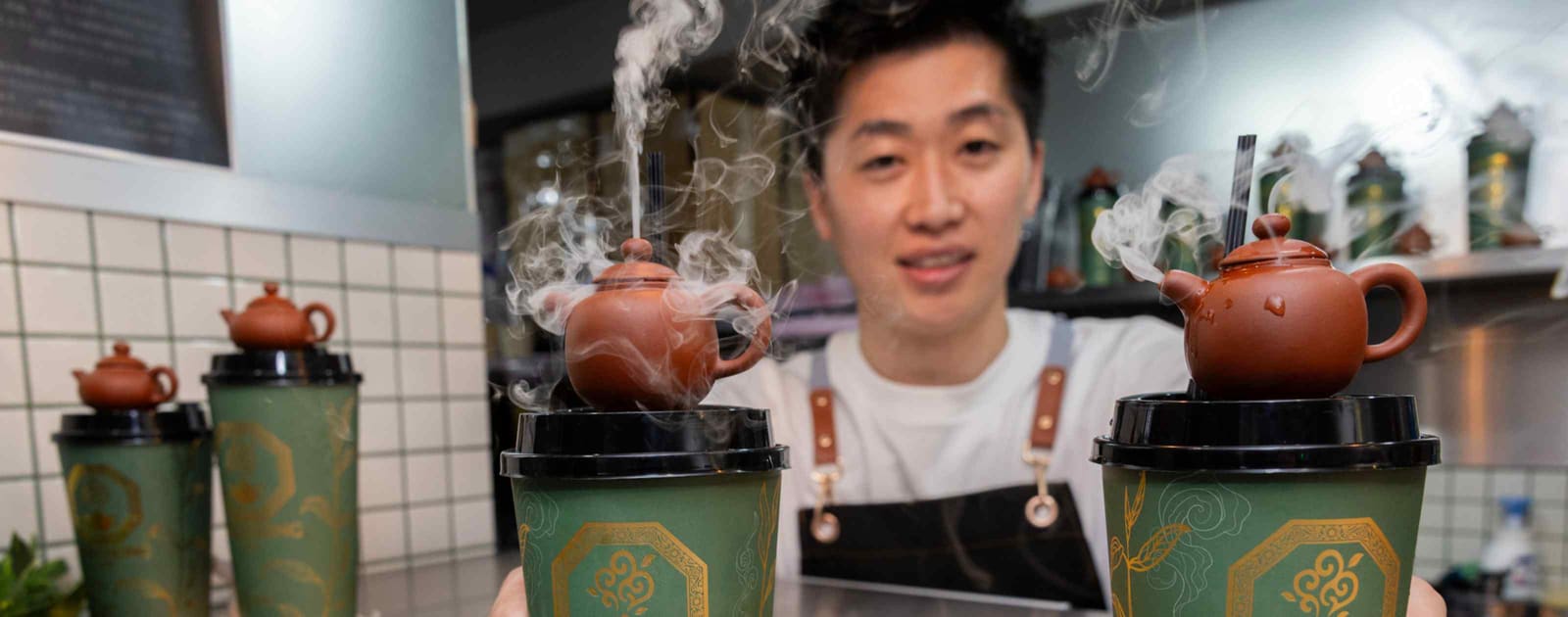
Chazhong, operating outlets in cities including Yokohama, has introduced drinks that feature a theatrical steam effect generated by a teaware device placed atop each cup. The visual element is deliberate: operators understand that younger consumers often share drinks on Instagram and TikTok before taking the first sip. But unlike the tapioca pearl trend that preceded it, this wave prioritizes the tea itself.
Premium Leaves, Premium Positioning
The shift centers on sourcing. Cafes are investing in higher-grade Chinese and Taiwanese tea varietals, moving away from generic black tea bases. These leaves bring distinct flavor notes, from floral oolong to roasted black teas, that remain detectable even when blended with milk. The result is a drink category that appeals to consumers seeking more sophisticated taste profiles than the sweet, chewy experience of bubble tea.
Operators are betting that Japanese consumers, already familiar with tea culture through matcha and sencha, will respond to nuanced Chinese tea traditions. Early foot traffic suggests the gamble is paying off. Outlets report steady lines during peak hours, with customers drawn by both curiosity and word-of-mouth recommendations.
Social Media as the Second Ingredient
Presentation remains critical. Shops design drinks with layered colors, decorative tops, and steam effects that photograph well under cafe lighting. The Instagram-ready aesthetic is not incidental; it functions as unpaid marketing. A single viral post can drive foot traffic for weeks, a lesson learned during the bubble tea surge.
Yet the emphasis on appearance does not come at the expense of substance. Cafe owners interviewed in Osaka and Tokyo note that repeat customers are driven by taste, not novelty. The milk tea category must deliver on flavor to sustain momentum beyond the initial social media buzz.
What Sets This Apart
The distinction from earlier trends lies in the balance. Bubble tea leaned heavily on texture and sweetness, with tea often playing a secondary role. The current milk tea movement foregrounds the tea varietal, treating milk and sugar as complements rather than the main event. This positioning aligns with broader consumer interest in artisanal and origin-focused food and beverage products across Asia.
Chinese and Taiwanese tea producers stand to benefit. As Japanese cafes seek reliable suppliers of premium leaves, cross-border trade in specialty tea is likely to deepen. For Tokyo and Osaka operators, sourcing becomes a competitive advantage: the shop with the best oolong or the most fragrant black tea can differentiate itself in a crowded market.
Room to Grow
The milk tea trend remains concentrated in major urban centers, but expansion into secondary cities appears likely if current momentum holds. Franchise models and pop-up formats could accelerate geographic spread, particularly if social media visibility continues to drive consumer interest.
Whether this trend will match the longevity of bubble tea is an open question. Japanese cafe culture has cycled through matcha lattes, cold brew coffee, and fruit teas in recent years. What seems clear is that operators are now more deliberate about balancing visual appeal with product quality, recognizing that both are necessary to build a durable customer base.
For now, Chinese and Taiwanese tea leaves are finding a new audience in Japan, one cup at a time.
RELATED STORIES

Uniqlo Doubles Down on Flagship Stores to Revive Brand in Home Market
Cheng Wei-Lun · 3 min

Japan Wage Growth Hits 29-Year High, Reinforcing Central Bank Rate Path
Aiko Nakamura · 3 min

Preferred Networks Eyes Public Listing to Scale AI Chip Production
Aiko Nakamura · 2 min
Yen Climbs to Eight-Month High as Rate Hike Expectations Shift Sentiment
Jun-ho Seo · 3 min
Spot something wrong? Email editor@briefasia.com. We log every correction publicly.