Finance · Deals
Chinese Memory Chipmaker CXMT Hits $470 Billion Valuation on Shanghai Debut
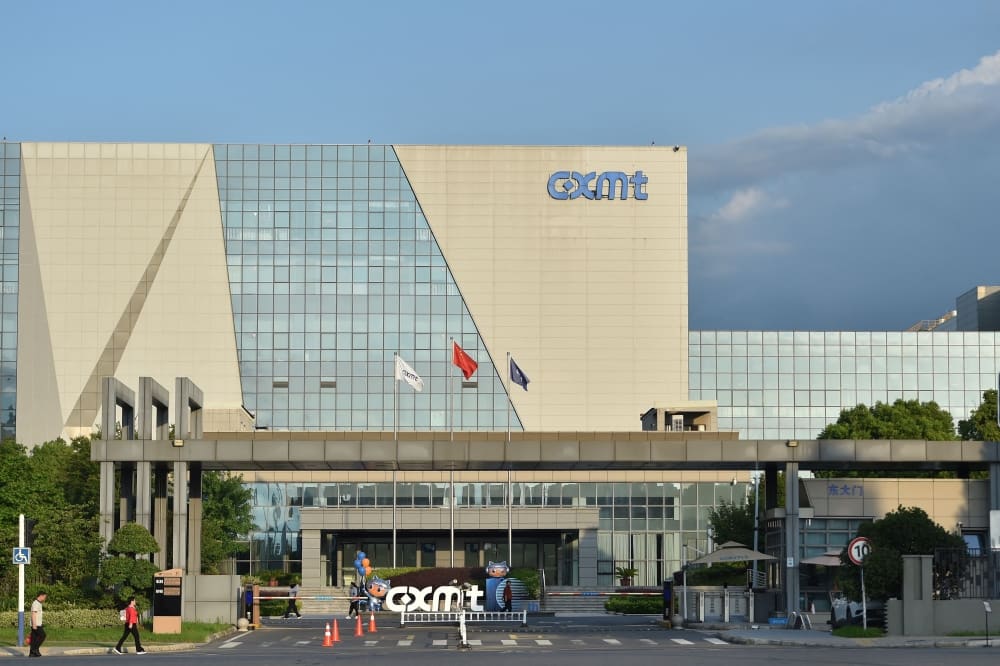
ChangXin Memory Technologies briefly overtook ICBC as mainland China's most valuable company as AI-driven demand tightens global RAM supply
KEY TAKEAWAYS
- ·ChangXin Memory Technologies raised 66.6 billion yuan in mainland China's largest technology IPO, opening 470 percent higher on the STAR Market.
- ·The company briefly reached a 3.3 trillion yuan market cap, surpassing ICBC, as AI infrastructure demand creates a global DRAM shortage.
- ·CXMT holds eight percent of the global DRAM market and is reportedly being tested by Apple for potential supply agreements.
Record IPO Fuels Valuation Surge
ChangXin Memory Technologies opened Monday trading on Shanghai's STAR Market with a 470 percent gain, propelling the Anhui-based memory chipmaker to a peak market capitalisation of 3.3 trillion yuan ($455 billion). The surge briefly pushed CXMT past Industrial and Commercial Bank of China, the country's largest lender by assets, as the most valuable company listed on the mainland.
The company raised 66.6 billion yuan in its initial public offering, according to CXMT. The figure marks the largest technology share sale in mainland China's history, surpassing the 46.3 billion yuan Semiconductor Manufacturing International Corp collected in 2020. The capital influx arrives as Beijing accelerates efforts to build domestic semiconductor capacity amid tightening export controls from Washington and allied governments.
CXMT holds roughly eight percent of the global DRAM market, trailing Samsung Electronics, SK hynix, and Micron Technology. Founded in 2016, the company manufactures dynamic random-access memory chips used in laptops, smartphones, and increasingly in the servers that power artificial intelligence workloads. Its rapid ascent reflects both investor enthusiasm for China's chip ambitions and structural shifts in global memory markets.
Supply Crunch Reshapes Memory Economics
Data centre operators building infrastructure for generative AI models have created acute shortages across memory chip categories. Advanced high-bandwidth memory modules command premium prices and production priority, pulling manufacturing capacity away from standard DRAM lines. The resulting supply squeeze has pushed DRAM contract prices up more than 40 percent since the start of 2025, industry data show.
Apple has begun testing CXMT's DRAM products for potential inclusion in its devices, people familiar with the matter said. The move would mark a significant validation for the Chinese manufacturer, though no final procurement decisions have been announced. Major electronics brands typically maintain multiple memory suppliers to manage risk and negotiate pricing leverage.
The Pentagon lists CXMT among Chinese companies it alleges have military ties, a designation that restricts certain US government contracts but does not prohibit American firms from commercial transactions. The classification adds complexity to supply chain decisions for multinational corporations navigating overlapping technology and security concerns across jurisdictions.
Asia's Memory Power Play
CXMT's market debut underscores the concentration of memory production in East Asia. South Korea's Samsung and SK hynix together control more than 70 percent of global DRAM output, while Taiwan Semiconductor Manufacturing Company dominates advanced logic chip fabrication. China has invested hundreds of billions of yuan over the past decade to narrow the technology gap, with mixed results across different semiconductor categories.
Memory chips represent one area where Chinese manufacturers have achieved meaningful scale, though they remain several process generations behind the leading South Korean fabs in cutting-edge products. CXMT's current production centers on chips built with 17-nanometer and 19-nanometer manufacturing techniques, compared to the 10-nanometer class processes Samsung and SK hynix use for their most advanced DRAM.
The valuation CXMT achieved Monday reflects both genuine operational momentum and the speculative energy that often accompanies high-profile technology listings in China. First-day trading limits on the STAR Market allow shares to rise or fall by larger margins than on the main Shanghai exchange, amplifying initial price swings. Whether the company can sustain its market cap will depend on its ability to secure design wins with global customers, scale production, and close the technology gap with incumbents.
Investors are pricing in CXMT's potential to capture share in a market where persistent supply constraints have shifted negotiating power toward producers. For Beijing, the company's trajectory offers a case study in whether heavy state-backed investment can produce commercially viable competitors in capital-intensive, technology-leading industries. The next twelve months will test both propositions as memory supply begins to catch up with AI infrastructure demand.
RELATED STORIES
From Tourism Graduate to Indonesia Electronics Distributor: Wook Eyes IPO
Cheng Wei-Lun · 3 min
China's Chip Makers Split Three Ways Beneath the Revenue Growth
Tran Quoc Bao · 3 min

China's Social Security Fund Doubles Offshore Holdings to $86 Billion
Jun-ho Seo · 3 min
ByteDance Secures $29.6 Billion Credit Facility After Bank Demand Surges
Cheng Wei-Lun · 3 min
Spot something wrong? Email editor@briefasia.com. We log every correction publicly.