Finance · Markets
China Steel Returns to Profit After Four Quarters of Losses
Taiwan's largest steelmaker posted NT$3.31 billion pretax profit in Q2 2026 as steel prices recovered and margins expanded, though US and Europe tariffs cloud outlook
KEY TAKEAWAYS
- ·China Steel Corp posted NT$3.31 billion pretax profit in Q2 2026, ending four consecutive quarters of losses as steel prices recovered and margins expanded.
- ·Quarterly shipments held at 1.9 million tonnes but the company expects a slight decline in Q3 due to 50 percent US steel tariffs and 47 percent cuts in Europe's tariff-free quotas.
- ·Operating costs are expected to stabilize as coking coal and iron ore prices retreat from first-quarter peaks to around US$240 and US$100 per tonne respectively.
Turnaround After Year of Red Ink
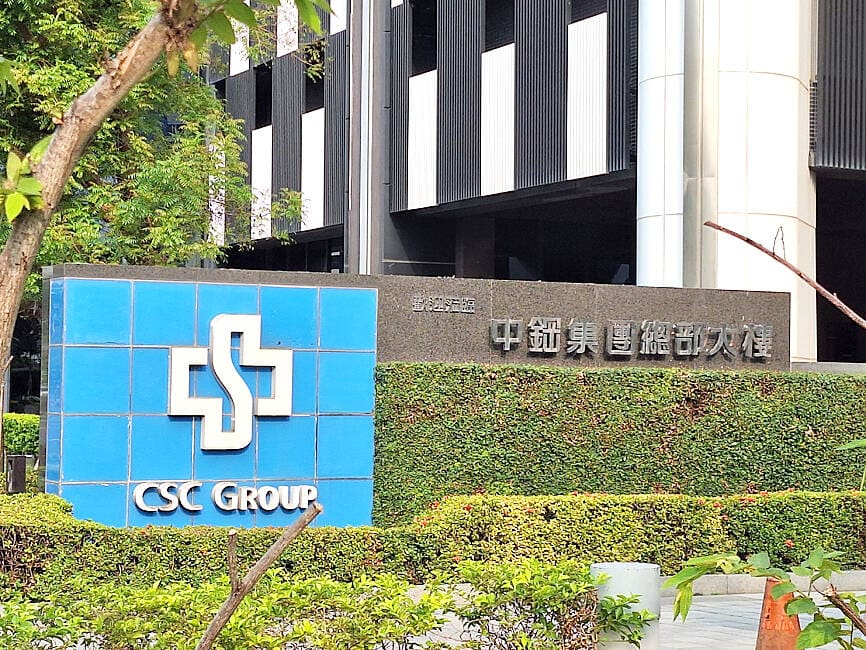
China Steel Corp, Taiwan's largest integrated steelmaker, posted a pretax profit of NT$3.31 billion (US$102.6 million) in the second quarter of 2026, according to figures released by the Kaohsiung-based company. The result marks the end of four consecutive quarters of losses for the industrial heavyweight.
The company had reported a pretax loss of NT$967 million in the first quarter of this year and a NT$2.69 billion loss in the same period a year earlier. The reversal came as steel prices stabilized and operating margins expanded following a period of volatility in raw material costs.
China Steel's pretax profit reached NT$1.46 billion in June alone, up 8 percent from NT$1.35 billion in May. However, monthly shipments declined 21 percent to 535,325 tonnes from 673,651 tonnes the previous month.
Shipments Hold Steady Despite Price Volatility
For the full second quarter, China Steel's shipments remained relatively flat at approximately 1.9 million tonnes compared with 1.84 million tonnes in the first quarter. On an annual basis, shipments fell 5 percent from 2 million tonnes in the second quarter of 2025.
The company attributed its first-quarter losses to surging costs for coking coal and iron ore, along with elevated freight and energy prices stemming from the US-Iran conflict in the Middle East. Those cost pressures have since eased, allowing the steelmaker to restore profitability even as volumes dipped.
Tariff Barriers Dim Near-Term Outlook
China Steel expects shipments to decline slightly in the third quarter as new trade barriers take effect. The United States has imposed a 50 percent tariff on steel imports, while Europe has cut tariff-free steel import quotas by 47 percent.
The third quarter is also traditionally a slow period for the global steel industry, adding seasonal pressure to demand. Company vice president Yang Yueh-kun told investors in late June that the firm remains "cautiously optimistic" about the current quarter.
A key concern for China Steel is the potential redirection of global steel flows. The company said it would closely monitor the impact of increased steel supply to Asia as shipments to the US and European markets face new restrictions under the tariff policies.
Cost Stabilization and Domestic Demand
China Steel anticipates operating costs will stabilize in the second half of 2026. The company projects coking coal prices to trade in a range of approximately US$240 per tonne and iron ore around US$100 per tonne, both well below their first-quarter peaks.
On the demand side, the steelmaker expects domestic consumption to improve as Kuozui Motors expands its operations. The Toyota Motor Corp assembly partner plans to begin producing vehicles in Taiwan for export to Japan, a shift from its historical focus on assembling cars for the Taiwanese market.
China Steel supplies 80 percent of Kuozui's steel requirements, positioning the steelmaker to benefit from the automaker's expanded production footprint. The move reflects broader efforts by Japanese manufacturers to diversify their supply chains across Asia.
Regional Context
The return to profitability at China Steel comes as Asian steelmakers navigate a complex landscape of shifting trade flows and regional demand patterns. Taiwan's steel sector has faced pressure from Chinese overcapacity and volatile commodity prices, while also competing with South Korean and Japanese producers for regional market share.
The tariff measures in the US and Europe are reshaping global steel trade routes, with potential implications for pricing and capacity utilization across Asia. Steelmakers in the region are adjusting production plans and exploring new markets as traditional export destinations become less accessible.
China Steel's recovery offers a window into the dynamics facing integrated steel producers across Asia. Stabilizing raw material costs and margin expansion have provided relief, but structural challenges from trade barriers and shifting demand patterns remain in focus for the remainder of 2026.
RELATED STORIES
China Steel Pretax Profit Falls 55% as Asian Demand Weakens
Cheng Wei-Lun · 2 min

Fubon Hyundai Life Returns to Profit in First Half on Asset Management Gains
Cheng Wei-Lun · 2 min
Taiwan Stock Exchange Moves Odd-Lot Trading Start Time Forward
Cheng Wei-Lun · 3 min

Why Taiwan's LCD Giants Can't Escape the Commodity Trap
Cheng Wei-Lun · 5 min
Spot something wrong? Email editor@briefasia.com. We log every correction publicly.