Asia · Business
China's Industrial Profits Slow as Domestic Demand Drags on Export-Led Recovery
First-half profit growth hits 18.7% year-on-year, but June figures reveal widening gap between manufacturing strength and consumer weakness
KEY TAKEAWAYS
- ·China's industrial firms reported 18.7 percent profit growth in the first half of 2026, but June growth decelerated to 15.1 percent from 21.1 percent in May.
- ·Automobile manufacturing profits fell 19.5 percent in the first half as vehicle sales declined for nine consecutive months through June.
- ·Investors are watching the Communist Party's late-July Politburo meeting for signals on stimulus, though expectations for broad support remain tempered by resilient exports.
A Tale of Two Economies
China's industrial sector is delivering a split-screen performance. Profits at the nation's industrial firms climbed 18.7 percent in the first half of 2026 compared to the same period last year, according to figures from the National Bureau of Statistics released Monday. Yet the June reading tells a more cautious story: monthly profit growth decelerated to 15.1 percent from 21.1 percent in May, signaling that momentum is beginning to fade.
The data captures the central tension in China's current economic trajectory. Export-oriented manufacturers continue to benefit from overseas orders, buoying topline growth and keeping factory floors busy. Sectors tied to the domestic consumer, however, remain mired in sluggish demand. The automobile sector illustrates the divergence sharply: manufacturing profits in the segment fell 19.5 percent during the first six months of the year, National Bureau of Statistics data showed, as vehicle sales contracted for a ninth straight month through June.
Where the Strength Lies
Industrial production and exports have shouldered much of the load for the world's second-largest economy this year. Resilient demand from overseas markets has allowed manufacturers to maintain output levels and preserve margins, even as conditions at home deteriorate. The profit figures released Monday cover firms with annual revenue of at least 20 million yuan from their main operations, offering a broad view of the corporate health across heavy industry, electronics, chemicals, and other capital-intensive sectors.
That external tailwind has proven critical. Second-quarter GDP growth slowed to its weakest pace in more than three years, weighed down by persistent softness in property and household spending. The divergence between export strength and domestic fragility has kept policymakers in Beijing on alert, with calls mounting for additional measures to rebalance growth drivers and shore up consumer confidence.
Domestic Headwinds Persist
The weakness in automobile profits underscores broader challenges facing consumer-facing industries. Falling car sales reflect both structural shifts in the market and cyclical pressures tied to household caution. With property sector woes unresolved and job market sentiment still tentative, Chinese consumers have remained reluctant to commit to big-ticket purchases.
This caution extends beyond vehicles. Retail spending growth has lagged expectations for months, and services consumption, while recovering, has not picked up enough slack to offset the property downturn. The result is an economy increasingly reliant on external demand, a position that leaves it vulnerable to shifts in global trade conditions and protectionist headwinds in key export markets.
Policy Crossroads Ahead
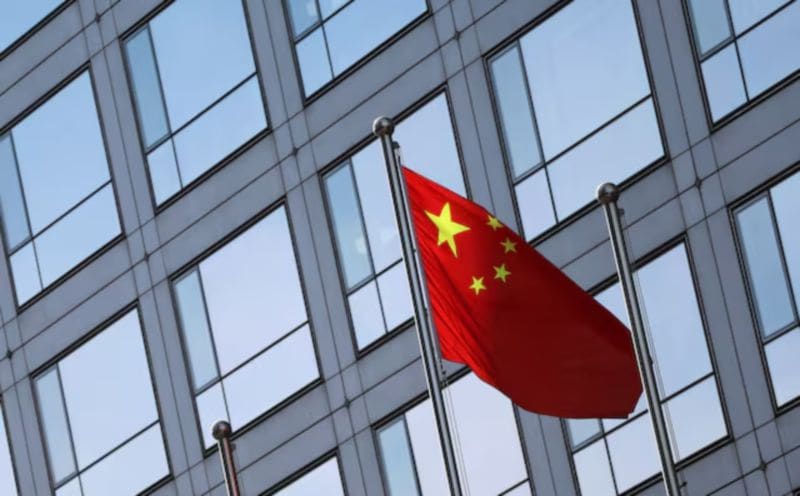
Investor attention is now fixed on the Communist Party's Politburo meeting scheduled for late July. The gathering serves as a key moment for signaling policy direction, and market participants are watching for indications of whether Beijing will roll out broader stimulus or continue its preference for targeted, sector-specific support.
Expectations for a sweeping package have been tempered. Resilient export performance has reduced the urgency for dramatic intervention, and Chinese leadership has shown a consistent preference for precision tools over blanket easing. Past rounds of support have focused on infrastructure spending, tax relief for specific industries, and measures aimed at stabilizing the property sector rather than broad-based consumption subsidies.
Still, the deceleration visible in June's profit data, combined with the ongoing domestic consumption gap, suggests that targeted measures alone may not be sufficient to restore balance. The question facing policymakers is whether the export cushion can hold long enough for domestic drivers to recover on their own, or whether more forceful action will be required to prevent a deeper slowdown.
What Comes Next
The trajectory of China's industrial profits in the second half will depend heavily on two variables: the durability of export demand and the effectiveness of any new policy measures unveiled in the coming weeks. If overseas orders remain robust, manufacturers may continue to post solid gains even as domestic sectors struggle. But if global demand softens or trade frictions intensify, the gap between the two halves of the economy could widen further, complicating Beijing's balancing act.
For now, the data paints a picture of an economy in transition, caught between the momentum of its export machine and the drag of unresolved domestic imbalances. The Politburo meeting will offer the clearest signal yet of how Chinese leaders plan to navigate that tension in the months ahead.
RELATED STORIES
China's August Inflation Accelerates on Energy and Typhoon Disruption
Tran Quoc Bao · 2 min
Honda Demands 30% Price Cuts From Suppliers in $9.4 Billion Cost Plan
Cheng Wei-Lun · 3 min

Beijing Warns Domestic EV Makers Against Overseas Price Wars
Cheng Wei-Lun · 3 min
China Imposes Anti-Dumping Measures on Japanese Semiconductor Chemical Imports
Jun-ho Seo · 3 min
Spot something wrong? Email editor@briefasia.com. We log every correction publicly.