Finance · Deals
CGSI Securities Launches Singapore's First Small-Cap ETF Targeting Next 50 Index
The actively managed fund fills a gap in the market, offering access to mid-sized companies beyond the city-state's blue-chip benchmark with an initial offer at S$1 per share.
KEY TAKEAWAYS
- ·CGS International Securities Singapore launched the CGS Fullgoal Singapore Next 50 ETF, the first fund tracking mid-cap stocks beyond Singapore's top 30 companies, listing September 3 at S$1 per share.
- ·The actively managed fund allocates at least 80 percent to Next 50 constituents and up to 20 percent to broader Singapore equities, with monthly rebalancing reducing portfolio volatility to 12 percent.
- ·Real estate investment trusts comprise 36.7 percent of holdings as of July 30, while technology and healthcare counters account for nearly 20 percent, contrasting sharply with the Straits Times Index's minimal technology exposure.
Filling the Mid-Cap Gap
CGS International Securities Singapore has introduced an actively managed exchange-traded fund designed to track the performance of Singapore's mid-sized listed companies, a segment that has historically received less attention from retail investors. The CGS Fullgoal Singapore Next 50 ETF benchmarks against the iEdge Singapore Next 50 Index, which captures the 50 largest mainboard companies beyond the top 30 stocks on the Singapore Exchange.
The fund is scheduled to list on the SGX mainboard on September 3 under ticker Q50. The initial offer period runs from August 6 through August 26, with shares priced at S$1 each. According to CGSI Singapore, at least 80 percent of the portfolio will consist of Next 50 constituents, while the remaining 20 percent may include broader Singapore equities, including select Straits Times Index components.
Portfolio Construction and Risk Management
The ETF will hold between 30 and 50 counters, with monthly rebalancing based on quantitative scoring. CGSI Singapore applies a multi-factor ranking system that evaluates valuation metrics, growth trajectories, market dynamics, earnings surprises, analyst sentiment, and earnings quality to determine position sizing.
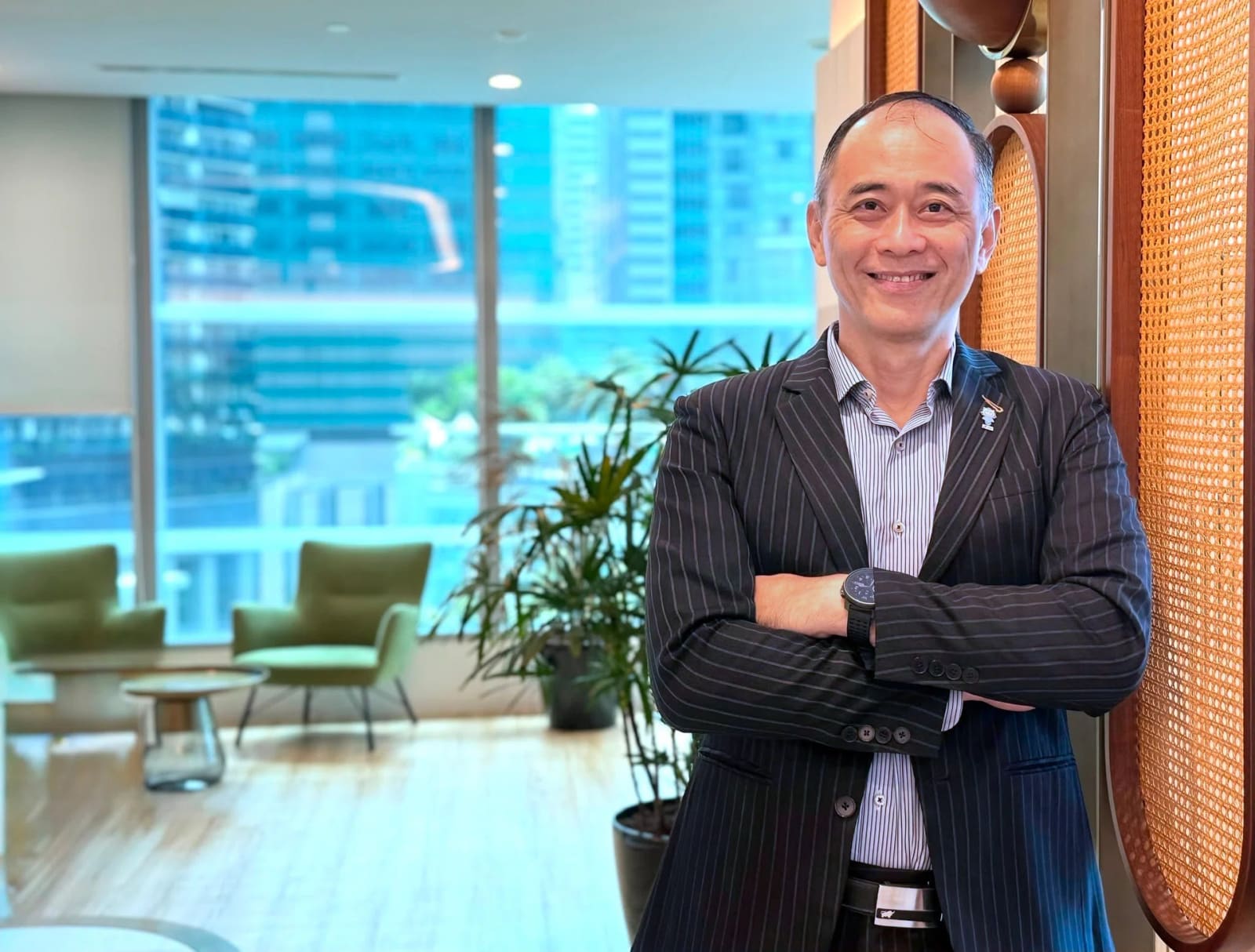
James Ong, group head of asset management at CGSI Singapore, noted that individual Next 50 stocks exhibit volatility around 30 percent, but a diversified portfolio approach reduces overall volatility to approximately 12 percent. The structure aims to provide exposure to Singapore's economic breadth while managing single-stock concentration risk.
The 20 percent allocation to off-benchmark holdings offers the fund manager tactical flexibility during rebalancing periods. This includes the ability to reduce exposure to underperforming Next 50 names and increase positions in stronger performers among the SGX's largest 50 companies, such as Keppel, DBS, and Venture.
Sector Composition and Holdings
As of July 30, real estate investment trusts represent the largest sector weighting at 36.7 percent of the portfolio. Top REIT holdings include Keppel Infrastructure Trust, CDL Hospitality Trusts, Starhill Global Reit, and CapitaLand Ascott Trust.
Technology and healthcare counters account for nearly 20 percent of the Next 50 Index, a sharp contrast to the Straits Times Index's sub-1 percent technology allocation. Key technology names in the portfolio include UMS Integration, Frencken Group, and AEM. Healthcare exposure comes through Raffles Medical Group and analgesic manufacturer Haw Par.
The sector mix reflects Singapore's economic composition beyond its largest banks and conglomerates, providing investors with access to growth-oriented segments underrepresented in traditional blue-chip indices.
Market Context and Timing
Singapore's small and mid-cap stocks have gained momentum since the Equity Market Development Programme began deploying capital in November 2025. The initiative has directed liquidity toward second-tier counters, improving trading volumes and price discovery in a segment that previously suffered from thin liquidity.
CGSI Singapore positions the fund as a complement rather than a replacement for STI exposure. The return dispersion within the Next 50 Index can exceed 200 percent, creating opportunities for active selection but also requiring careful position management. Monthly rebalancing and factor-based screening aim to capture upside while limiting downside from weaker performers.
Fullgoal Asset Management (Hong Kong) serves as investment adviser for the ETF. Its parent company, Fullgoal Fund Management, oversaw 888.5 billion yuan (US$132 billion) across 422 public funds as of December 31, 2025, excluding money market funds.
Implications for Singapore's Equity Ecosystem
The launch addresses a structural gap in Singapore's ETF market, where passive products have historically concentrated on the top 30 names. Investors seeking diversified exposure to mid-cap growth without individual stock selection now have a vehicle that combines active management with ETF liquidity and transparency.
For Singapore's equity market, the fund may channel additional retail and institutional capital into second-tier names, potentially narrowing valuation gaps between large-caps and quality mid-caps. Whether the active approach can consistently outperform a passive Next 50 replication remains an open question, but the 20 percent flexibility buffer and monthly rebalancing give the manager tools to navigate the segment's volatility.
The ETF's success will likely depend on sustained interest in Singapore equities and continued government support for market development programs that enhance liquidity across the capitalization spectrum.
RELATED STORIES
Singapore IPOs Sink After Debut as Small Caps Struggle for Investor Attention
Priyanka V. Rao · 3 min

Allianz Commits $3.3 Billion to Build Singapore Wealth Hub Through Dual Acquisitions
Priyanka V. Rao · 3 min
Franklin Templeton Restructures Leadership With Two Senior Appointments
Priyanka V. Rao · 4 min
Singapore's Big Three Banks Post Solid First-Half Gains as Wealth Offsets Margin Pressure
Priyanka V. Rao · 3 min
Spot something wrong? Email editor@briefasia.com. We log every correction publicly.