Travel & Dining · Destinations
Cathay Pacific Restarts Middle East Routes as Diplomatic Efforts Gain Momentum
Hong Kong carrier will resume daily Dubai flights and four-times-weekly Riyadh service from September as US-Iran talks show signs of progress
KEY TAKEAWAYS
- ·Cathay Pacific will resume daily Dubai flights and four-times-weekly Riyadh service from September 1, with cargo to Riyadh restarting August 1.
- ·The move follows indirect US-Iran talks in Doha that offered signs of diplomatic progress despite earlier exchanges of fire this week.
- ·The airline suspended both routes in February when conflict drove oil prices higher, forcing multiple fuel surcharge increases across its network.
Hong Kong Carrier Signals Confidence in Regional Stability
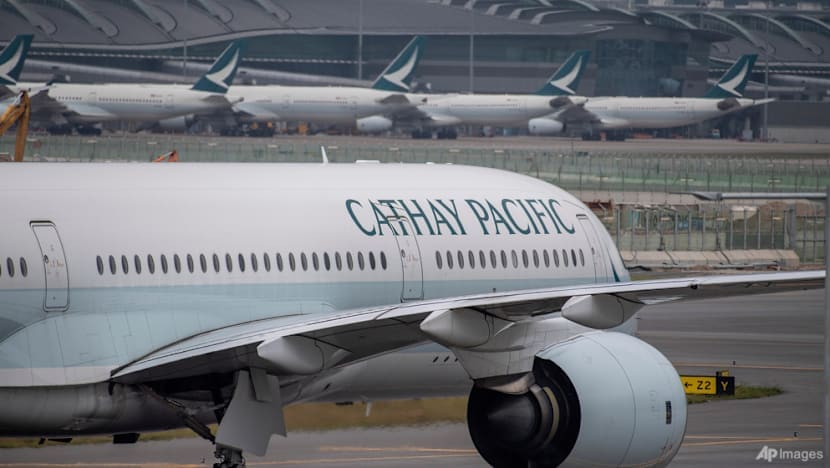
Cathay Pacific will restore passenger flights to Dubai and Riyadh beginning September 1, the Hong Kong carrier announced Thursday, as diplomatic channels between Washington and Tehran show renewed activity following indirect talks in Doha this week.
The airline suspended both routes in late February when hostilities broke out, forcing carriers across Asia to reroute around the Gulf and driving fuel costs sharply higher. Cathay raised fuel surcharges multiple times in the months since, reflecting the price shock that rippled through global aviation.
Daily service to Dubai will return alongside four-times-weekly flights to Riyadh under the revised schedule. Cargo operations to Riyadh will resume earlier, from August 1, indicating the carrier sees sufficient demand and security to commit freighter assets ahead of passenger services.
Diplomatic Signals Shift Carrier Calculus
The timing follows Wednesday's indirect discussions in Doha, where US President Donald Trump and mediators from Qatar and Pakistan offered cautious optimism that diplomatic efforts remain viable despite sporadic exchanges of fire earlier in the week. The talks mark the most substantive engagement between the two sides since the conflict began.
For airlines, the Gulf corridor represents critical connectivity between Asia and Europe, as well as access to lucrative business and leisure travel markets in the United Arab Emirates and Saudi Arabia. Dubai remains a major hub for onward connections, while Riyadh has seen growing corporate travel tied to Saudi Arabia's economic diversification push.
Cathay's decision to commit to a September restart suggests the carrier's risk assessment has shifted, though the airline made clear it will continue monitoring conditions closely before aircraft begin flying the routes again. The one-month gap between the announcement and actual resumption gives the carrier room to adjust if the security environment deteriorates.
Fuel Costs Remain Elevated Despite Diplomatic Thaw
Oil prices surged in the initial weeks of the conflict, with Brent crude climbing above benchmarks that airlines had budgeted for the year. While prices have moderated from their peaks, they remain elevated compared to pre-conflict levels, pressuring carrier margins across the region.
Cathay is not alone in adjusting its Gulf exposure. Multiple Asian carriers scaled back Middle East frequencies or suspended routes entirely in the first quarter, citing both security concerns and the fuel cost burden. The industry's global profit forecast for 2026 was revised downward in recent months, with fuel expense cited as a primary factor alongside weaker-than-expected demand in certain markets.
The restoration of Cathay's Dubai and Riyadh flights will test whether passenger demand has held up through the suspension period. Corporate travel budgets in Hong Kong and mainland China have faced pressure this year, and leisure travelers have had months to establish alternative routing patterns through Southeast Asian or European hubs.
Cargo Operations Lead Passenger Flights by One Month
Cathay's decision to restart freighter service to Riyadh a full month ahead of passenger flights reflects the different risk calculus for cargo operations. Freight aircraft typically spend less time on the ground, and cargo customers are often willing to accept higher risk thresholds when moving time-sensitive goods or inventory.
The August 1 cargo restart also allows Cathay to test operational readiness, including ground handling, fuel supply chains, and airspace coordination, before committing passenger aircraft and crew to the routes. If conditions prove stable, the carrier can proceed with confidence into the September passenger launch. If not, adjusting cargo schedules imposes lower reputational and customer service costs than canceling passenger flights.
Hong Kong's aviation sector has been working to rebuild its hub status after pandemic-era border restrictions and competition from rival hubs in Singapore, Seoul, and Tokyo. Restoring Middle East connectivity is a key piece of that effort, particularly for business travelers and cargo flows tied to trade between Asia and the Gulf.
Cathay's statement Thursday emphasized that the situation remains fluid and that the airline will continue assessing conditions up to the resumption dates. The carrier did not specify whether fuel surcharges, which were raised multiple times since February, would be adjusted downward if oil prices continue to ease.
RELATED STORIES

Hong Kong Debuts Robot-Run Convenience Store in Commercial Automation Push
Cheng Wei-Lun · 3 min

Hong Kong Claims Top Asia Spot for High-Growth Startup Ecosystems
Cheng Wei-Lun · 4 min

Hong Kong Wealth Hub Resilient Despite Beijing Investment Restrictions
Cheng Wei-Lun · 3 min

Hong Kong Awards First Northern Metropolis Land to Mainland-Local Consortium
Cheng Wei-Lun · 3 min
Spot something wrong? Email editor@briefasia.com. We log every correction publicly.