Finance · Deals
CapitaLand Integrated Commercial Trust Reports 7.1% DPU Growth in First Half
Singapore REIT's distribution rises to S$0.0602 despite enlarged unit base from private placement to fund Paragon acquisition
KEY TAKEAWAYS
- ·CapitaLand Integrated Commercial Trust reported a distribution per unit of S$0.0602 for H1 2026, up 7.1 percent year-on-year despite a 5.8 percent increase in unit base to 7.7 billion units.
- ·Net property income rose 8.7 percent to S$630.5 million, driven by CapitaSpring and the Gallileo tower in Germany, while lower interest expenses supported distributable income growth of 13.3 percent.
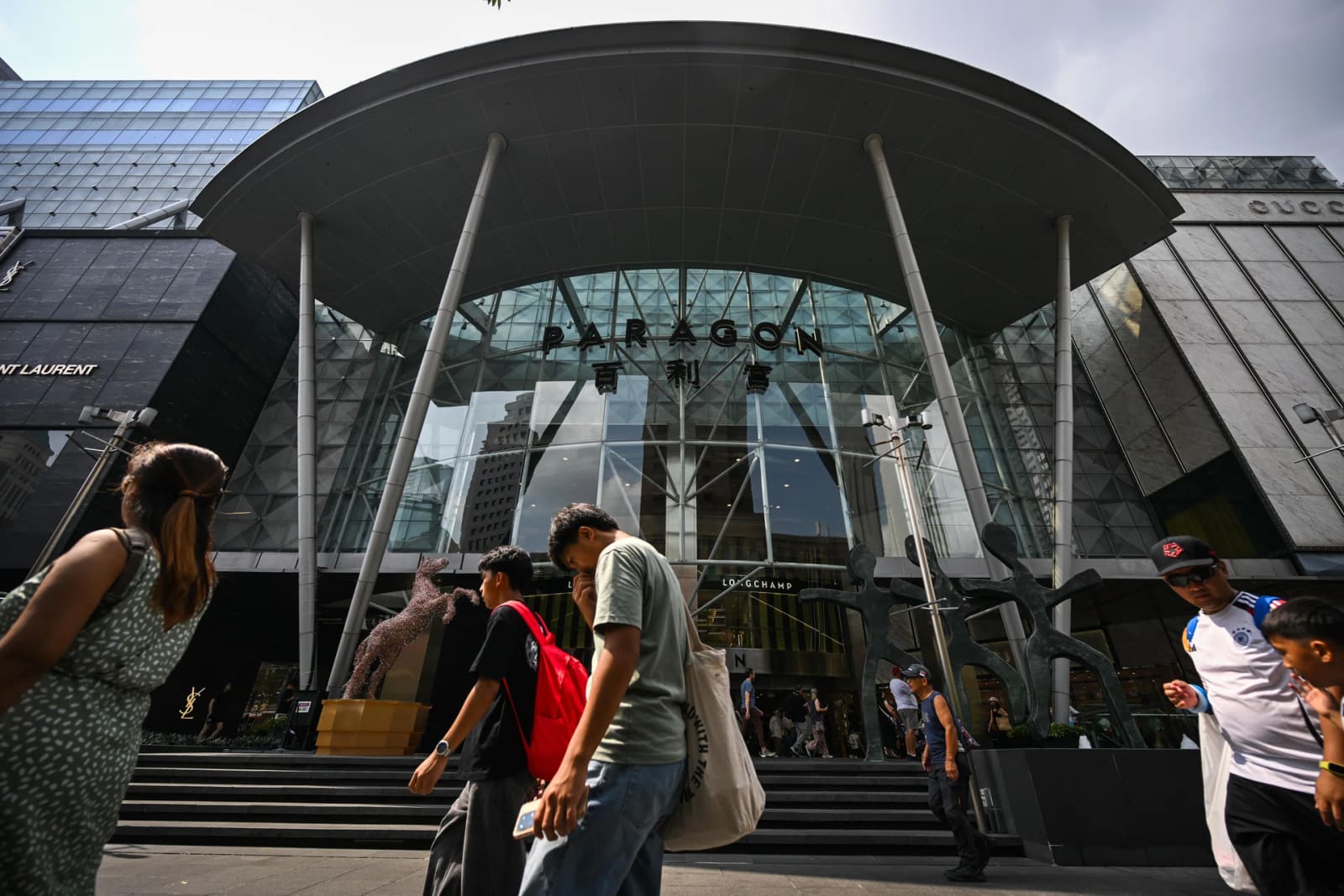
- ·The trust completed its S$3.4 billion Paragon acquisition on July 1, with contributions from the Orchard Road retail asset expected to drive income in the second half of 2026.
Distribution Climbs Amid Portfolio Expansion
CapitaLand Integrated Commercial Trust delivered a distribution per unit of S$0.0602 for the six months ended June 2026, marking a 7.1 percent increase from S$0.0562 in the same period last year. The REIT manager announced the results on August 12, highlighting operational strength that offset dilution from a larger unit base.
The trust's unit count expanded 5.8 percent year on year to approximately 7.7 billion units following a private placement in April. That capital raise helped finance CICT's acquisition of Paragon, a prime retail asset on Orchard Road that closed on July 1.
The distribution comprises an advance payment of S$0.0398 for the period from January 1 to April 28, which unitholders received on June 8. The remaining S$0.0204 is scheduled for September 25, with a record date of August 20.
Income Drivers and Cost Management
Net property income rose 8.7 percent to S$630.5 million during the half, according to CICT. The growth came from contributions by CapitaSpring, the integrated development in Singapore's Raffles Place financial district, and the Gallileo tower in Germany, both of which have ramped up occupancy and rental income over the past year.
Distributable income climbed 13.3 percent, outpacing the DPU increase due to the larger unit base. Lower interest expenses played a supporting role; the trust has benefited from refinancing activity and a decline in benchmark rates across its operating markets.
CICT's portfolio spans office, retail, and integrated developments in Singapore, Australia, Germany, and Japan. The addition of Paragon strengthens the retail segment, which had seen occupancy pressure in some suburban malls during the earlier part of the year.
Paragon Acquisition and Forward Outlook
The Paragon transaction, valued at approximately S$3.4 billion, was one of the largest single-asset deals in Singapore's REIT sector this year. CICT funded the purchase through a combination of equity, debt, and asset recycling. The private placement in April raised around S$1.2 billion, diluting existing unitholders but providing the trust with a lower cost of capital compared to pure debt financing.
Paragon's contribution will only be reflected in results from the third quarter onward, given the July 1 completion date. The manager indicated that income from the Orchard Road property is expected to be a key driver for the remainder of 2026, alongside continued performance from CapitaSpring and the German office portfolio.
Occupancy at CapitaSpring has stabilized above 95 percent, with several multinational tenants signing long-term leases for the building's Grade A office space. The integrated development also houses a luxury hotel and food and beverage outlets, diversifying income streams.
The Gallileo tower in Frankfurt benefits from tight supply in Germany's financial capital. Office vacancy rates in Frankfurt's central business district remain below 5 percent, supporting rental growth for premium assets.
Regional Context and Capital Allocation
Singapore REITs have faced a mixed environment in 2026. While retail assets in prime locations have recovered foot traffic and tenant sales, suburban malls continue to grapple with e-commerce competition. Office assets have seen divergent performance, with newer, well-located buildings commanding rent premiums while older stock struggles with high vacancy.
CICT's geographic diversification has provided a buffer. Australian office markets, particularly Sydney and Melbourne, have shown resilience as companies return to larger floor plates. Germany's office sector benefits from limited new supply and a preference among European corporations for established financial hubs.
The trust's gearing ratio stood at 38.2 percent as of June 30, within its target range and below the regulatory cap of 50 percent for Singapore REITs. Management has indicated that further acquisitions remain on the table, contingent on attractive pricing and accretive returns.
The interest rate environment in Singapore has eased modestly in recent months, with the Monetary Authority of Singapore adjusting its policy stance in response to cooling inflation. This has reduced refinancing costs for REITs with debt maturing in the second half of the year.
Unitholder Payments and Market Reception
The two-tranche payment structure for the H1 distribution reflects CICT's practice of providing unitholders with interim cash flow while finalizing accounts. The September payout will capture adjustments for property expenses, financing costs, and tax provisions.
CICT's units have traded in a range of S$2.10 to S$2.35 over the past six months, tracking broader sentiment in the Singapore REIT market. The trust's yield, based on the annualized H1 DPU, sits at approximately 5.1 percent, slightly above the sector average.
Analysts will watch third-quarter results closely for the full impact of Paragon's income contribution and any guidance on asset enhancement initiatives. The manager has previously flagged potential refurbishment plans for select retail assets to improve tenant mix and capture higher rents.
The trust's ability to maintain distribution growth amid unit dilution underscores the quality of its recent acquisitions and the effectiveness of its capital management. With Paragon now on the books and occupancy trends holding firm across its core markets, CICT is positioned to build on its H1 performance as the year progresses.
RELATED STORIES
CapitaLand Integrated Commercial Trust Reports 7.1% Rise in First-Half Distribution
Priyanka V. Rao · 2 min
Singtel Profit Falls 72% Despite Stronger Core Operations
Priyanka V. Rao · 2 min
Singapore Exchange Reports Strong July Trading as Financials Rally Lifts Benchmark
Priyanka V. Rao · 4 min
NTT DC Reit Exceeds First-Quarter Forecast as Cost Controls Offset Revenue Shortfall
Priyanka V. Rao · 4 min
Spot something wrong? Email editor@briefasia.com. We log every correction publicly.