Finance · Deals
NTT DC Reit Exceeds First-Quarter Forecast as Cost Controls Offset Revenue Shortfall
Asia-Pacific data center landlord delivered net property income 5 percent above IPO projection, with distributable income up 10.6 percent on lower operating expenses and favorable currency movements
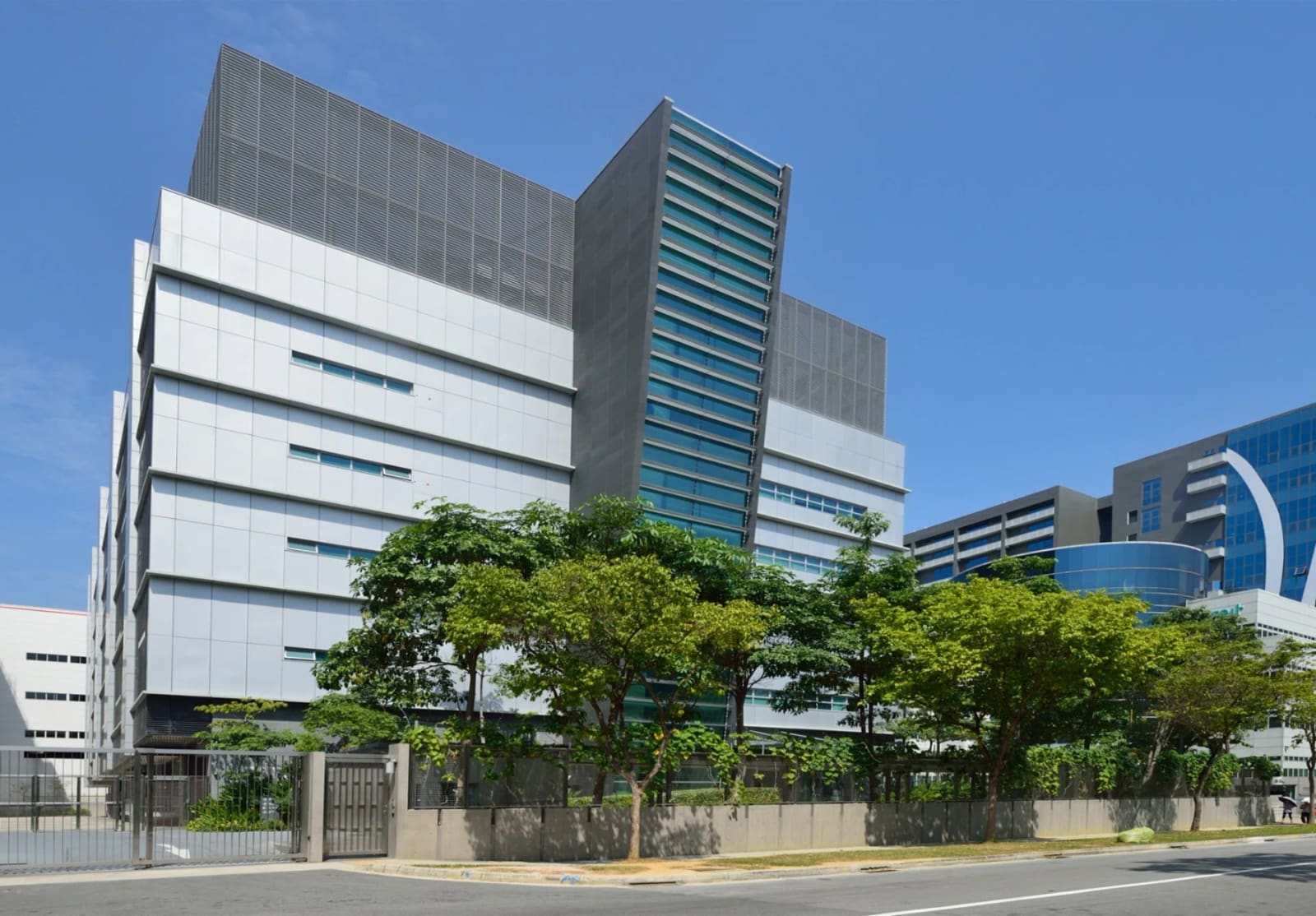
KEY TAKEAWAYS
- ·NTT DC Reit reported net property income of $27.9 million for the quarter ending June 30, beating its IPO forecast by 5 percent through lower taxes and operating costs.
- ·Portfolio occupancy by IT load reached 95.9 percent, with committed contracts pushing total occupancy to 99.2 percent ahead of third-quarter revenue recognition.
- ·Total debt rose to $537 million as the trust balances leverage deployment with distributable income that exceeded projections by 10.6 percent.
Operational Efficiency Drives Beat
NTT DC Reit delivered net property income of $27.9 million in the three months through June 30, outpacing the $26.6 million target set in its initial public offering documents by 5 percent. The data center landlord attributed the margin expansion to tighter control over real estate taxes and operating expenses, combined with currency tailwinds that offset weaker revenue generation during the period.
Distributable income reached $22.6 million, exceeding the IPO projection of $20.5 million by 10.6 percent. The gap between top-line performance and bottom-line results highlights how cost discipline can insulate earnings even when demand signals remain mixed. For investors who participated in the July 2025 listing at $1 per unit, the operational execution offers early validation of management's ability to navigate a capital-intensive asset class where utility costs, cooling systems, and property taxes can erode margins quickly.
Revenue for the quarter totaled $58.1 million, falling 1.1 percent short of the $58.7 million forecast. The manager signaled that committed lease agreements already signed will begin generating rental income in the third quarter of fiscal 2027, suggesting that the revenue shortfall reflects timing rather than fundamental weakness in tenant demand. Data center REITs typically operate with long lead times between contract signing and revenue recognition, as tenants require months to install servers, configure networks, and migrate workloads into new facilities.
Portfolio Metrics and Occupancy Trends
Occupancy measured by IT load climbed to 95.9 percent as of June 30, up from 95.1 percent at the end of March. When factoring in contracts already committed but not yet generating revenue, portfolio occupancy stood at 99.2 percent. The distinction matters in data center real estate: IT load occupancy reflects the share of installed power capacity currently drawing electricity and paying rent, while committed occupancy includes signed agreements where tenants are preparing to move in.
The trust owns six facilities distributed across the United States, Singapore, and the Europe-Middle East-Africa corridor, with aggregate design IT load capacity of 90.7 megawatts. That footprint positions the REIT at the intersection of three growth vectors in digital infrastructure: North American hyperscale expansion, Southeast Asian cloud adoption, and European data sovereignty regulations driving localized capacity buildouts.
Weighted average lease expiry across the portfolio measured 4.3 years as of June 30, providing a medium-term revenue cushion in an environment where tenants increasingly favor flexibility. Rental reversion for the period reached 13.4 percent, reflecting the premium that new leases command over expiring contracts. In data center markets, positive rental reversion is driven by rising power costs, scarcity of land near fiber interconnection points, and tenants' willingness to pay for newer cooling infrastructure that reduces their energy bills.
Capital Structure and Debt Positioning
Total debt rose to $537 million at quarter-end from $517 million three months earlier. The $20 million increase suggests the trust is deploying leverage selectively, either to fund capital expenditures at existing sites or to maintain liquidity for potential acquisitions. Data center REITs globally have been active acquirers over the past eighteen months, as private equity sponsors and telecom operators exit non-core assets and hyperscale tenants seek turnkey capacity.
The balance between debt growth and income growth will define the trust's distribution sustainability. With distributable income running ahead of forecast and occupancy near full capacity, the current leverage trajectory appears manageable. However, investors will watch whether future quarters require additional borrowing to fund tenant fit-outs or infrastructure upgrades, particularly as power density requirements climb with the rollout of artificial intelligence workloads that demand more cooling and backup power per rack.
Regional Context and Competitive Dynamics
Singapore remains a focal point for data center investment in Asia, despite a three-year moratorium on new facility approvals that ended in early 2022. The city-state's strict limits on power allocation and land use have created a supply-constrained market where existing operators enjoy pricing power. NTT's Singapore asset benefits from this dynamic, though future growth will depend on its ability to secure capacity in secondary markets across Southeast Asia where governments are more welcoming.
In the United States, hyperscale tenants continue to absorb capacity in Northern Virginia, Dallas, and Phoenix, but rising interconnection costs and competition for power substations are pushing some operators toward Tier 2 metros. The EMEA component of NTT's portfolio faces a different set of pressures: European data sovereignty rules favor locally domiciled operators, while energy costs remain elevated compared to pre-2022 levels, compressing tenant margins and slowing lease-up velocity.
Across all three geographies, the next eighteen months will test whether the current wave of AI-driven infrastructure spending translates into sustained rental growth or whether capacity additions outpace demand, leading to a normalization of occupancy and rental reversion metrics. For NTT DC Reit, maintaining the balance between conservative underwriting and opportunistic expansion will determine whether it can sustain distribution growth beyond the honeymoon period that typically follows an IPO.
Units closed at $0.935 on August 12, up half a cent from the previous session, before the quarterly results were released. The modest premium to the IPO price reflects cautious optimism among investors who are weighing strong operational metrics against a broader backdrop of uncertainty in both interest rate policy and enterprise IT spending.
RELATED STORIES
Singapore Data Center Operator DayOne Eyes $5 Billion US IPO
Priyanka V. Rao · 3 min

Singapore Relaxes Family Office Tax Requirements While Strengthening Anti-Money Laundering Oversight
Priyanka V. Rao · 3 min

Singapore Life Insurers See Premiums Jump as Economic Growth Fuels Wealth Accumulation
Priyanka V. Rao · 3 min

Singapore Chip Tester AEM Sees Profit Surge on AI Equipment Orders
Cheng Wei-Lun · 3 min
Spot something wrong? Email editor@briefasia.com. We log every correction publicly.