Technology · Products
BYD Demonstrates 10-Minute Full Battery Charge at Zhengzhou Facility
Chinese automaker's flash-charging technology pushes EV battery from 7% to 97% in under 11 minutes, setting new benchmark for ultra-fast charging infrastructure across Asia
KEY TAKEAWAYS
- ·BYD charged an electric SUV from 7 percent to 97 percent in 10 minutes and 20 seconds at its Zhengzhou facility, maintaining one kilometer of range per second throughout the session.
- ·Ultra-fast charging stations require localized battery energy storage systems to buffer grid load, with eight-bay installations drawing power equivalent to an entire residential neighborhood at peak operation.
- ·Flash-charging technology enables autonomous vehicle fleets, maritime electrification, grid stabilization through vehicle-to-grid discharge, and opportunity charging for public transit with lightweight batteries.
Real-World Charging at One Kilometer Per Second
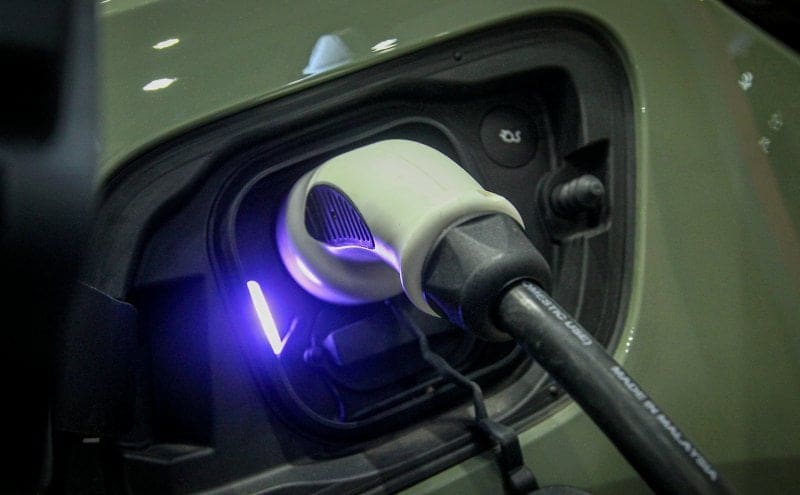
BYD has demonstrated a battery charging session that took a premium electric SUV from 7 percent to 97 percent state-of-charge in 10 minutes and 20 seconds at its facility in Zhengzhou, Henan province. The vehicle maintained a charging rate of approximately one kilometer of range per second throughout the entire session, using a liquid-cooled dispenser with cable infrastructure designed for megawatt-level power delivery.
The demonstration marks a technical milestone in battery physics, bringing EV charging speed functionally in line with conventional fuel refilling times. BYD and battery supplier CATL have invested heavily in engineering mid-90 percent flat charging curves and megawatt-level infrastructure, despite current 800-volt architectures already delivering 80 percent charge in 15 minutes.
Infrastructure Requirements and Grid Strain
A single flash-charging station with eight bays operating at peak power simultaneously draws electricity equivalent to an entire residential neighborhood or small skyscraper. This level of demand cannot be met by traditional grid connections alone.
Current ultra-fast charging installations require localized battery energy storage systems that draw power from the grid continuously over 24 hours, storing it in stationary battery banks. These buffers then release concentrated energy bursts when vehicles connect. The capital allocation question facing utility providers is whether to deploy resources toward highway charging infrastructure or toward grid upgrades needed to harvest renewable energy at scale.
Autonomous Fleet Operations
The technology addresses operational constraints that will emerge as heavy haulage and ride-hailing fleets transition to full autonomy. Without human drivers requiring rest breaks, autonomous vehicles generate revenue only when moving. A robotaxi or autonomous freight truck can pull into a depot, complete a full charge in five to eight minutes, and return to service immediately.
This operational model treats flash charging as a virtual battery swap, eliminating the extended downtime that would otherwise make autonomous electric fleets economically unviable. Every minute an autonomous vehicle remains stationary represents direct revenue loss, creating strong economic pressure for sub-10-minute charging.
Maritime and Aviation Applications
Electrifying coastal cargo ships and regional short-haul aircraft requires battery packs measured in megawatt-hours. Commercial aviation operates on tight turnaround schedules that cannot accommodate three-hour charging sessions between flights.
Megawatt flash charging creates a pathway to pump sufficient energy into an aircraft during standard ground operations while baggage is unloaded and passengers board. The technology presents the only practical route to decarbonize short-haul aviation and coastal shipping, two sectors that currently lack viable electric alternatives.
Grid Stabilization and Renewable Integration
Solar arrays generate massive electricity spikes at peak sun hours. If grid infrastructure cannot absorb this power instantly, the excess renewable energy is wasted through curtailment. Flash-charging-capable stationary storage systems can absorb these violent surges within narrow timeframes before cloud cover changes output levels.
The same battery chemistry engineered to safely receive massive current can also discharge power at equally high rates without degrading lifespan. Through Vehicle-to-Grid and Vehicle-to-Home networks, millions of connected EVs can form distributed virtual power plants. When national grids experience sudden demand spikes, these batteries can flash-discharge power for 30 seconds to stabilize grid frequency before traditional power plants spin up to meet demand.
Opportunity Charging for Transit
City buses equipped with small, lightweight battery packs can pull into transit hubs and connect to overhead pantographs for 45-second flash charges while passengers board. This provides sufficient energy to reach the next few stations without requiring massive, heavy battery packs that reduce passenger capacity and increase vehicle cost.
The opportunity charging model keeps public transit vehicles light, cost-effective, and continuously operational throughout service hours. Multiple brief charging sessions replace the need for large batteries and extended charging downtime at depot facilities.
Asia's Infrastructure Build-Out
The deployment of flash-charging infrastructure across Asia faces different constraints than in Western markets. China's state-backed utility model allows for coordinated rollout of charging stations and grid upgrades, while Southeast Asian markets must balance private investment incentives with public infrastructure planning.
Japan and South Korea have focused on integrating flash-charging technology with existing convenience store networks, creating charging points where drivers already stop for other purposes. Singapore's land constraints push the city-state toward ultra-fast charging that minimizes the footprint of charging facilities and vehicle dwell time.
The capital-intensive nature of megawatt charging infrastructure means deployment will concentrate along freight corridors and urban centers before expanding to secondary routes. Battery energy storage systems required to buffer grid load add 30 to 40 percent to installation costs, creating financial barriers for private charging operators without government support or fleet anchor tenants.
RELATED STORIES
Chinese Automakers Target Hybrid Market After EV Dominance
Cheng Wei-Lun · 3 min

CaoCao Mobility Bets on Autonomous Taxis as Revenue Tops RMB 10 Billion
Cheng Wei-Lun · 3 min
China's Chip Makers Split Three Ways Beneath the Revenue Growth
Tran Quoc Bao · 3 min

JCET Eyes $968 Million to Scale AI Packaging Lines
Tran Quoc Bao · 3 min
Spot something wrong? Email editor@briefasia.com. We log every correction publicly.