Finance · Banking
Beijing Signals Monetary Easing as Growth Slows Below Target
The People's Bank of China commits to looser policy and ample liquidity after second-quarter GDP growth slipped to 4.3 percent, the weakest pace in over three years
KEY TAKEAWAYS
- ·The People's Bank of China committed to timely monetary policy adjustments and ample liquidity after second-quarter GDP growth slowed to 4.3 percent, missing the government's 4.5 to 5.0 percent full-year target range.
- ·The central bank pledged support for local government financing vehicle debt resolution and encouraged panda bond issuance to deepen capital markets and advance renminbi internationalization.
- ·The Politburo called for accelerated fiscal spending on budgeted infrastructure projects and more flexible monetary policy to address mounting economic difficulties and challenges.
Policy Shift Follows Weak Quarter
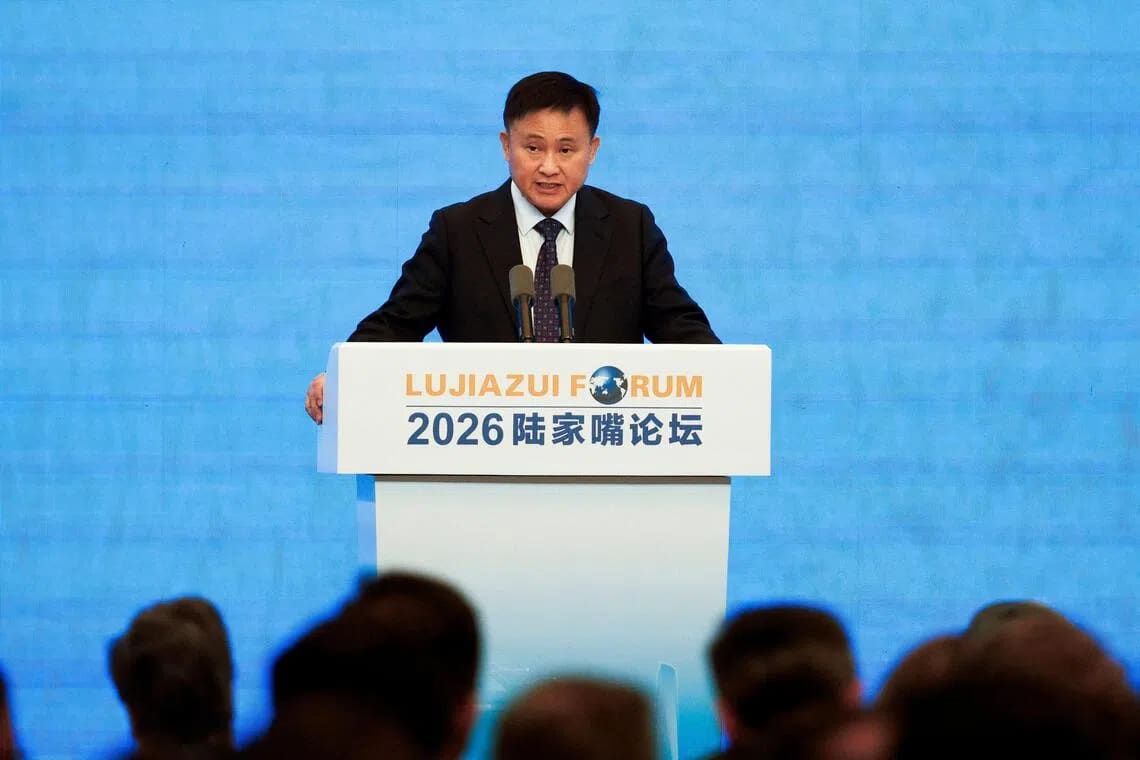
China's central bank has committed to adjusting monetary policy tools promptly and maintaining abundant liquidity as Beijing confronts its slowest economic expansion in more than three years. The People's Bank of China announced the stance following an internal work meeting on August 1 that mapped strategy for the second half of 2026.
The PBOC will continue implementing what it describes as an appropriately loose monetary policy, a signal that authorities are prepared to deploy additional stimulus measures. The commitment comes after data released in July showed GDP growth of 4.3 percent in the second quarter, falling short of the government's full-year target range of 4.5 to 5.0 percent.
Governor Pan Gongsheng led the meeting, which produced a readout outlining several specific policy directions. The central bank intends to steadily advance high-level financial market opening, expand cooperation on domestic and international infrastructure, and broaden the toolkit for liquidity management and risk hedging.
Local Debt and Offshore Yuan Priorities
The PBOC statement addressed two pressing structural issues facing China's financial system. First, the bank pledged continued support for resolving debt risks at local government financing vehicles, the off-balance-sheet entities that have accumulated trillions of yuan in liabilities over the past decade. The central bank said it would promote market-oriented transformation of these entities, though it offered no specifics on how that process would unfold.
Second, the PBOC committed to encouraging more overseas institutions to issue panda bonds, yuan-denominated debt sold in mainland China by foreign entities. The move aligns with Beijing's broader push to internationalize the renminbi and deepen capital markets.
The statement also outlined support for Shanghai's cross-border finance and offshore financial services capabilities, while pledging to consolidate Hong Kong's role as an offshore yuan hub. Both objectives reflect Beijing's ambition to position the currency as a viable alternative in global trade and investment flows, particularly as geopolitical tensions reshape capital allocation across Asia.
Politburo Acknowledges Economic Strain
The PBOC meeting followed a July 30 session of the Communist Party's Politburo, a top decision-making body that acknowledged "difficulties and challenges facing the economy." That session called for accelerating fiscal spending on already budgeted infrastructure projects in the remaining months of 2026.
The Politburo summary emphasized the need to enhance the flexibility and forward-lookingness of monetary policy, language that suggests authorities are preparing for a more active stance than the cautious approach maintained through the first half of the year. The directive to speed up fiscal expenditure indicates concern that budgeted funds are not reaching the real economy quickly enough to counteract slowing momentum.
China's economy has faced mounting headwinds from multiple directions. Export growth has softened amid uneven global demand, property sector stress continues to weigh on household wealth and local government revenues, and private sector confidence remains fragile despite earlier policy support measures. The 4.3 percent second-quarter expansion marked a deceleration from the first quarter and raised questions about whether Beijing can achieve its full-year target without more aggressive intervention.
Asia's Liquidity Anchor
The PBOC's policy stance carries implications beyond China's borders. As the region's largest economy and a major source of capital flows, shifts in Chinese monetary policy influence funding conditions across emerging Asia. A sustained easing cycle could channel more liquidity into regional markets, supporting asset prices and easing financing conditions for governments and corporates from Jakarta to Manila.
However, the effectiveness of monetary easing alone remains uncertain. Previous stimulus efforts have struggled to translate into broad-based credit growth, particularly as private firms remain cautious about taking on new debt amid structural headwinds. The emphasis on local government debt resolution and financing vehicle transformation suggests Beijing recognizes that monetary policy must work in tandem with fiscal measures and structural reforms to generate sustained momentum.
The PBOC's commitment to timely adjustments leaves room for further rate cuts, reserve requirement ratio reductions, or targeted lending facilities in coming months. Markets will watch whether the central bank follows through with concrete measures or whether the language serves primarily as a confidence signal. With the second half of 2026 now underway, Beijing has a narrowing window to deploy stimulus that can meaningfully impact full-year growth outcomes.
RELATED STORIES
China-US Bond Yield Gap Reaches Two-Decade Peak
Cheng Wei-Lun · 3 min

China's Social Security Fund Doubles Offshore Holdings to $86 Billion
Jun-ho Seo · 3 min

From Tourism Graduate to Indonesia Electronics Distributor: Wook Eyes IPO
Cheng Wei-Lun · 3 min
China Imposes Anti-Dumping Measures on Japanese Semiconductor Chemical Imports
Jun-ho Seo · 3 min
Spot something wrong? Email editor@briefasia.com. We log every correction publicly.