Asia · Trade
Tech Exporters in Asia Find Relief as Chip Exemptions Soften US Tariff Impact
New 10-12.5% tariffs take effect across 60 trading partners, but semiconductor carve-outs and AI demand provide crucial buffer for regional producers

KEY TAKEAWAYS
- ·The US imposed 10-12.5% tariffs on 60 trading partners under Section 301, with Malaysia and 16 others receiving the lower rate while China faces 23.4% effective tariffs.
- ·Semiconductor exemptions and surging AI demand are shielding Asia's technology exporters from the full impact, creating a buffer against trade disruptions.
- ·Ongoing Section 301 investigations into industrial capacity signal that additional tariff measures remain possible despite potential trade talks in September.
Tariff Structure Reshapes Trade Landscape
The United States rolled out fresh tariffs on July 24, imposing rates between 10% and 12.5% on imports from 60 trading partners under Section 301 of the Trade Act of 1974. The measures replace a temporary 10% levy that expired the same day, following investigations that concluded affected economies had not adequately banned or enforced prohibitions on goods produced with forced labor.
Seventeen economies, including Malaysia, Indonesia, India, Canada, Mexico, and the United Kingdom, received the lower 10% rate. According to the Office of the US Trade Representative, these jurisdictions either enacted forced labor import bans, made commitments through trade agreements, or partially implemented enforcement mechanisms.
China, Singapore, Australia, Japan, and South Korea face the higher 12.5% tariff tier, though Tokyo and Seoul may access some relief through existing bilateral agreements. For China, the effective tariff rate climbs to 23.4%, up from 21.3% under the previous temporary framework, though still below levels before a recent US Supreme Court ruling earlier this year.
Strategic Exemptions Shield Technology Flows
Technology exporters across Asia are navigating the new tariff environment with greater resilience than many other sectors, according to Moody's Analytics. Exemptions carved out for semiconductors and other strategic products have created a protective layer, limiting exposure to the steeper trade barriers.
The firm notes that the AI boom has delivered an unexpected cushion. Demand for advanced chips and technology components remains robust, offsetting headwinds from both tariff escalation and geopolitical instability in the Middle East. This dynamic has been particularly pronounced in markets with established semiconductor manufacturing ecosystems, where production capacity is already stretched to meet orders from data center operators and AI infrastructure providers.
The current tariff regime marks a shift from the framework invalidated by the Supreme Court, which had relied on the International Emergency Economic Powers Act. For several Asian economies, the new structure is less punitive than what preceded the court's intervention, even as rates inch upward for major exporters like China.
Structural Shift in Trade Policy
Moody's Analytics cautions that additional Section 301 investigations into excess industrial capacity are ongoing, leaving the door open for further tariff announcements. The firm views the latest measures as evidence that tariffs have become a structural element of US trade policy rather than a temporary negotiating tool.
Chinese President Xi Jinping is expected to visit Washington in September, a development that could create space for renewed trade negotiations. Yet the timing of the new tariffs, implemented just weeks before that potential meeting, signals that the underlying policy framework is unlikely to shift dramatically in the near term.
For Asian technology exporters, the calculus now hinges on two variables: continued exemptions for critical components and sustained demand driven by AI infrastructure buildout. Both factors remain in place for now, but the threat of expanded investigations and new tariff layers adds uncertainty to medium-term planning.
The divergence in treatment between lower-tier and higher-tier economies also introduces competitive dynamics. Producers in Malaysia and India, facing 10% rates, gain a marginal cost advantage over rivals in Singapore or China subject to 12.5% levies. In industries where margins are tight and supply chains are fungible, even small rate differences can influence sourcing decisions and investment flows.
The broader picture suggests that while technology has earned a degree of insulation, that protection is conditional. Exemptions can be revised, investigations can widen, and geopolitical calculations can override economic logic. For executives and policymakers across Asia, the task is to lock in gains from the AI cycle while preparing for a trade environment where predictability is no longer a given.
RELATED STORIES

Southeast Asian Firms Overlook Digital Pact Worth USD 2 Trillion
Lim Hui Ying · 4 min
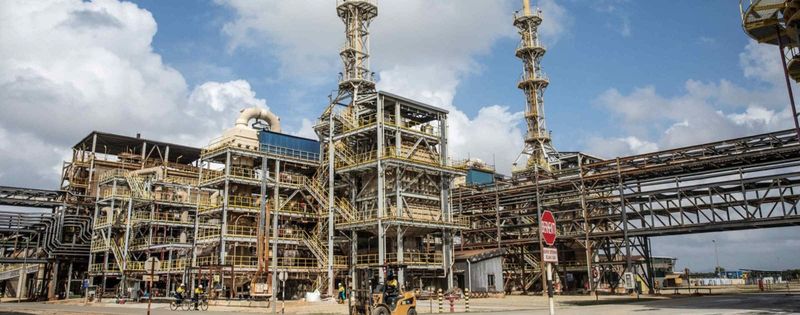
Malaysia's Rare Earth Deposits Draw Foreign Interest Ahead of China Export Controls
Priyanka V. Rao · 3 min
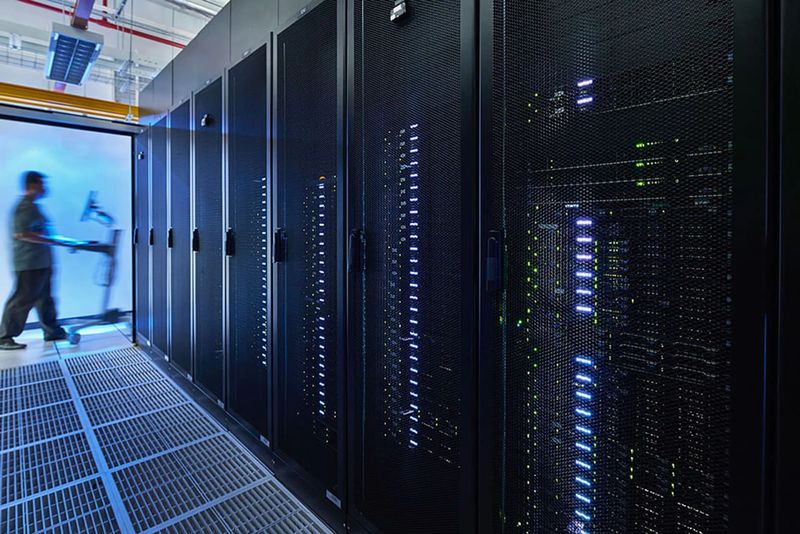
Singapore Targets High-Value Data Centre Workloads as Neighbors Scale Up Capacity
Cheng Wei-Lun · 3 min
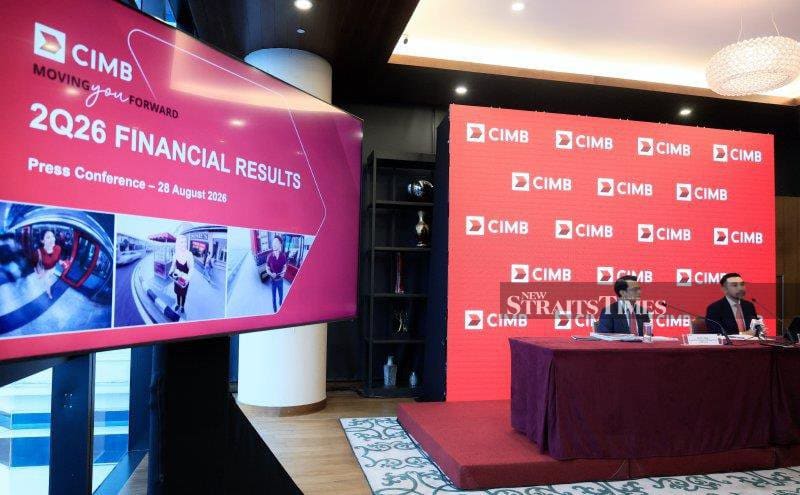
CIMB Commits to 55% Dividend Floor as Regional Portfolio Offsets Indonesia Pressure
Priyanka V. Rao · 4 min
Spot something wrong? Email editor@briefasia.com. We log every correction publicly.