Technology · Dev
Applied Materials Commits $375 Million to Karnataka Expansion
The US semiconductor equipment maker will build new facilities in Bengaluru over the next decade, creating 1,000 jobs as India positions itself in the global chip supply chain.
KEY TAKEAWAYS
- ·Applied Materials will invest $375 million in Karnataka over ten years, creating approximately 1,000 jobs in the Bengaluru Signature Business Park area.
- ·The investment supports India's push to build domestic semiconductor capabilities under its incentive programme, which offers subsidies up to 50 per cent of project costs.
- ·Karnataka is positioning itself as a hub for semiconductor equipment and design firms, complementing fabrication projects already announced in Gujarat by Micron, Tower, and others.
A Decade-Long Commitment
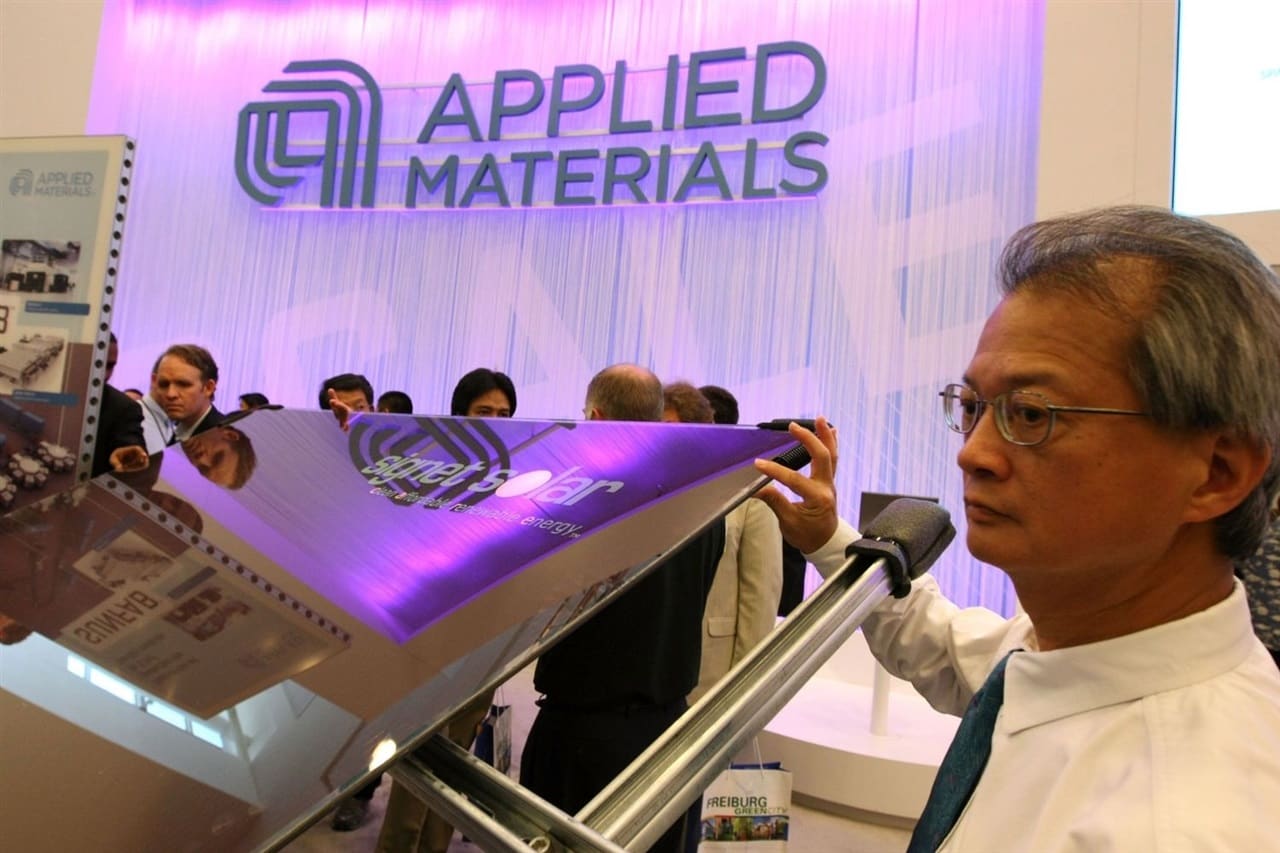
Applied Materials will invest INR36 billion ($375 million) in Karnataka over the next ten years, the state's industries minister M B Patil announced on 15 September 2026. The US semiconductor equipment manufacturer plans to establish operations in the Bengaluru Signature Business Park area, with the project expected to generate approximately 1,000 jobs.
The investment marks a significant expansion for Applied Materials in South Asia's technology corridor. Karnataka, home to India's Silicon Valley, has attracted a wave of semiconductor-related commitments as the country builds out domestic chip capabilities under its India Semiconductor Mission framework.
Bengaluru's Strategic Position
The choice of Bengaluru reflects the city's established infrastructure for technology manufacturing and engineering talent. Karnataka has positioned itself as the primary destination for semiconductor investments in India, competing with other states through incentive packages and streamlined approvals.
Applied Materials produces equipment used in chip fabrication, including deposition, etching, and inspection systems. The company's presence in India has historically centred on engineering and design work rather than manufacturing hardware. This ten-year plan suggests a shift toward more substantial local operations, though the company has not detailed whether the investment will fund manufacturing lines, research facilities, or expanded engineering centres.
India's Semiconductor Push
India approved its semiconductor incentive programme in late 2021, offering subsidies covering up to 50 per cent of project costs for fabrication plants and related infrastructure. The scheme aims to reduce the country's reliance on imported chips and capture a share of the global supply chain diversification underway since 2020.
Several companies have announced chip-related projects in India over the past two years. Tower Semiconductor and Adani Group are developing a fabrication facility in Gujarat. Micron Technology committed $825 million to an assembly and test plant in Gujarat, which began construction in 2024. CG Power and Renesas Electronics are building another assembly facility in the same state.
Karnataka has focused on attracting equipment suppliers and design firms rather than solely pursuing fabrication plants. The state government has fast-tracked land allocations in technology parks and offered power and water guarantees to prospective investors.
What Applied Materials Brings
Applied Materials is the largest supplier of semiconductor manufacturing equipment globally, with a market share exceeding 25 per cent in key segments. The company's systems are used by every major chip manufacturer, from Taiwan Semiconductor Manufacturing Company to Samsung Electronics and Intel.
An Applied Materials facility in India would provide local access to maintenance, upgrades, and technical support for any future fabrication plants in the region. It could also serve as a hub for equipment distribution across South Asia, reducing lead times for customers in India, Bangladesh, and neighbouring markets.
The Karnataka government has not disclosed tax concessions or land subsidies tied to the Applied Materials project. Minister Patil's statement emphasised job creation and the project's alignment with the state's ambition to host the full semiconductor value chain, from design tools to finished wafers.
Timeline and Execution
A ten-year investment horizon is longer than typical manufacturing ramp-ups, suggesting the project will unfold in phases. Applied Materials has not confirmed which product lines or services the Bengaluru site will support, nor whether it will involve equipment assembly, component manufacturing, or purely service and engineering functions.
India's semiconductor ambitions face challenges familiar to other countries attempting to build domestic chip industries. Talent shortages, high capital costs, and competition from established hubs in Taiwan, South Korea, and China complicate execution. Karnataka's existing base of engineering graduates and multinational R&D centres provides an advantage, but scaling from design work to hardware production requires different skill sets and supply chains.
The Applied Materials investment will be watched as a test case for whether India can attract not just fabrication commitments but also the ecosystem of equipment makers, materials suppliers, and service providers that underpin a functioning semiconductor industry. The state's ability to deliver on infrastructure promises and maintain policy consistency over the next decade will determine whether other equipment firms follow Applied Materials into the market.
RELATED STORIES
India's Semiconductor Push Extends to Supply Chains and Advanced Manufacturing
Priyanka V. Rao · 4 min
Indian AI Firm Commits $8 Billion to Nvidia Infrastructure Buildout
Priyanka V. Rao · 3 min

India Shuts Down Hundreds of Google Firebase Accounts Linked to Banking Fraud
Priyanka V. Rao · 4 min

Fujifilm Commits $83 Million to Semiconductor Materials Plant in India
Siti Nuraini · 3 min
Spot something wrong? Email editor@briefasia.com. We log every correction publicly.