Finance · Fintech
Apple Restores Credit and Debit Card Payments in India After Four-Year Gap
The iPhone maker adapts to India's tokenization rules, allowing Visa and Mastercard transactions for subscriptions and App Store purchases
KEY TAKEAWAYS
- ·Apple began reintroducing Visa and Mastercard payment options in India after suspending card transactions in May 2022 due to Reserve Bank of India recurring payment framework changes.
- ·The company updated backend systems to comply with tokenization requirements and authentication protocols, with the phased rollout expected to reach all eligible users over time.
- ·The restoration addresses a friction point as Apple's services revenue grows at double-digit rates in India, while regulatory fragmentation forces the company to customize features across different markets.
Return of Card Payments
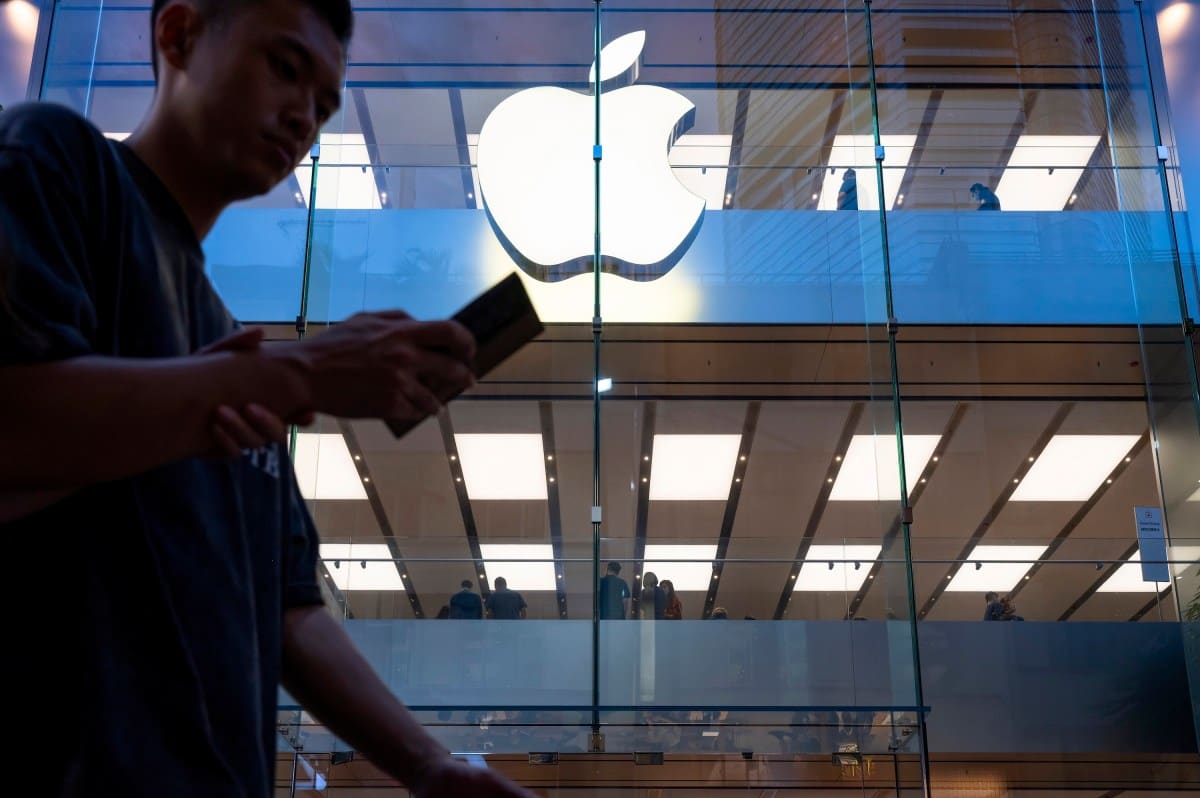
Apple has started rolling out credit and debit card payment options for Indian customers more than four years after pulling the feature, marking a significant shift in how the company handles digital transactions in one of Asia's fastest-growing smartphone markets. Users can now add eligible Visa and Mastercard products to pay for iCloud+ storage, Apple Music subscriptions, and App Store content.
The phased rollout, which began in recent weeks, addresses a payment gap that emerged in May 2022 when Apple suspended card transactions. During the interim period, Indian customers relied exclusively on UPI (Unified Payments Interface), net banking, and prepaid Apple Account balances to fund their digital purchases.
Regulatory Compliance Behind the Scenes
Apple made the necessary backend modifications to comply with India's recurring payment framework, according to a person with knowledge of the implementation. The company updated its payment processing systems to meet tokenization requirements and authentication protocols mandated by the Reserve Bank of India.
The central bank introduced the framework in 2021, enforcing it in stages through 2022. The regulations require payment processors to implement additional customer authentication layers for recurring transactions, adopt tokenized credentials instead of plain card numbers, and prohibit merchants from storing actual card details on their servers. These changes disrupted subscription billing across numerous domestic and international platforms before companies adapted their technical infrastructure.
Apple has updated its official support documentation to reflect the restored payment methods, though the company has not issued a public statement about the change.
Growing Services Revenue at Stake
The return of card payments arrives as Apple's services division continues expanding in India, posting double-digit growth rates even without direct card transaction support. However, the restored functionality becomes more critical as the company's installed base widens and customer expectations for payment flexibility increase.
"It's long overdue but happening finally. This solves one of the friction points for subscription renewals," said Tarun Pathak, research director at Counterpoint Research. He noted that while Apple's services business maintained momentum through alternative payment rails, offering multiple payment methods matters increasingly as more users subscribe to premium features.
India represents a strategic growth market for Apple. The company has expanded manufacturing operations in the country, opened flagship retail stores in Mumbai and Delhi, and invested in local developer ecosystems. Services revenue, which includes subscriptions, App Store commissions, and digital content sales, forms a crucial part of Apple's India strategy as hardware margins face competitive pressure from Chinese and Korean manufacturers.
Broader Pattern of Localization
The India payment restoration illustrates a wider trend of Apple tailoring services to regional regulatory frameworks rather than maintaining uniform global offerings. Governments across Asia, Europe, and other regions increasingly impose jurisdiction-specific requirements on digital platforms, forcing the Cupertino company to fragment its once-standardized ecosystem.
In Europe, Apple revised App Store policies to accommodate the Digital Markets Act, allowing alternative payment systems and app distribution methods in European Union countries. Japan and South Korea introduced regulations that required changes to in-app payment options and commission structures. Each market now demands separate technical implementations and compliance protocols.
For Apple, which built its brand partly on seamless cross-border experiences, this regulatory fragmentation creates operational complexity. The company must maintain different payment stacks, app review processes, and feature sets depending on geography, increasing engineering overhead and potential user confusion.
What Comes Next
The card payment restoration has reignited speculation about whether Apple will launch Apple Pay in India. Media reports over the past two years suggested the company explored bringing its tap-to-pay service to the country, though no official announcement has materialized.
India's digital payment landscape differs substantially from markets where Apple Pay gained traction. UPI processed over 14 billion transactions monthly as of early 2026, dominating peer-to-peer and merchant payments with zero transaction fees. Any Apple Pay launch would need to integrate with UPI rails and compete against entrenched players like Google Pay, PhonePe, and Paytm, which collectively handle the majority of digital transactions.
The phased rollout of card payments will continue expanding to all eligible Indian users over the coming weeks, according to the person familiar with the implementation. Apple has not provided a timeline for complete availability or commented on potential future payment features in the market.
For now, the restoration closes a four-year chapter during which one of the world's largest technology companies operated without a payment method considered standard in most other markets, demonstrating both the challenges of cross-border digital commerce and the willingness of global platforms to adapt when regulatory pressure demands it.
RELATED STORIES
Razorpay Deploys Foundation AI Model Across India's Payment Rails
Priyanka V. Rao · 2 min

Temasek Defends SIA's Air India Stake as Loss-Making Carrier Seeks $1.5 Billion
Priyanka V. Rao · 3 min

Singapore Airlines Confronts $375 Million Capital Call From Air India
Priyanka V. Rao · 3 min

Navi Secures $100 Million From Prosus Ahead of India IPO Push
Priyanka V. Rao · 2 min
Spot something wrong? Email editor@briefasia.com. We log every correction publicly.