Finance · Fintech
Apple Pay Launches in Philippines With Four Bank Partners
China Bank, GoTyme, Metrobank, and UnionBank join Apple's mobile payment platform as the service enters Southeast Asia's fastest-growing fintech market.
KEY TAKEAWAYS
- ·Apple Pay launched in the Philippines with four partner banks: China Bank, GoTyme, Metrobank, and UnionBank, supporting Visa and Mastercard contactless transactions.
- ·The Philippines processed over 2.1 billion contactless card transactions in 2025, a three-fold increase from 2023, as the central bank pushes toward 50 percent digital payment adoption by 2028.
- ·Apple Pay will compete with GCash's 94 million users and Maya's 60 million accounts in a market dominated by homegrown QR code and e-wallet platforms.
Four Banks Go Live
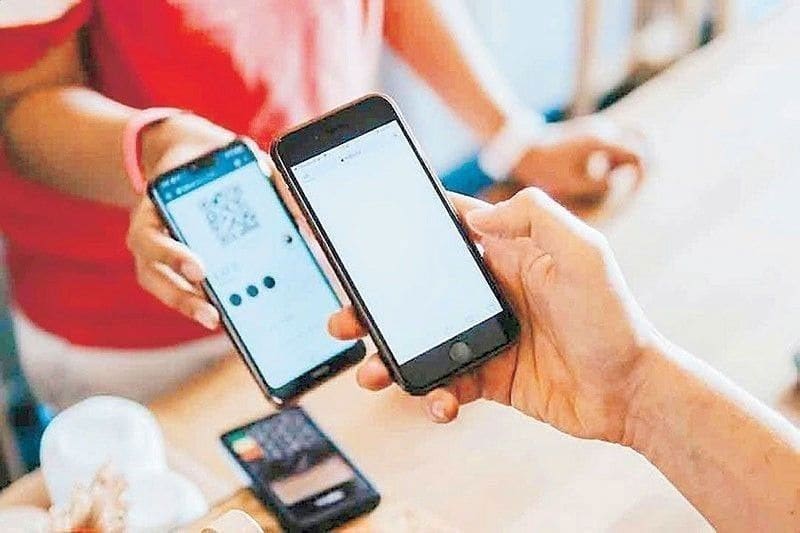
Apple's mobile payment platform is now operational in the Philippines. China Banking Corp., GoTyme Bank, Metropolitan Bank & Trust Co., and Union Bank of the Philippines have integrated their card systems with the service, enabling customers holding eligible Visa and Mastercard accounts to tap their iPhone or Apple Watch at point-of-sale terminals nationwide.
The rollout covers in-store contactless payments as well as transactions through participating mobile apps and e-commerce sites accessible via iPhone, iPad, and Mac devices. The launch positions Apple Pay to compete with established local e-wallet providers GCash and Maya in a market where digital payment volume has grown at a compound annual rate exceeding 30 percent since 2020.
Regional Context
The Philippine entry follows Apple Pay's established presence in Singapore, Hong Kong, Japan, and mainland China. Southeast Asia's digital payment landscape has evolved rapidly over the past five years, driven by government cash-lite initiatives, pandemic-era behavioral shifts, and infrastructure investments by both local fintechs and global card networks.
According to Visa, the Philippines processed over 2.1 billion contactless card transactions in 2025, a figure that represents a three-fold increase from 2023 levels. Jeffrey Navarro, Visa's country manager for the Philippines, noted that the Apple Pay integration supports the national objective of reducing cash dependency while offering secure authentication for both residents and inbound tourists.
Mastercard's Philippines country manager Jason Crasto highlighted the timing, pointing to accelerating digital adoption across retail, transportation, and hospitality sectors. The card network has been expanding tokenization and biometric authentication infrastructure across the archipelago to support mobile wallet interoperability.
UnionBank's Strategic Fit
Among the initial bank partners, UnionBank has positioned itself as a digital-first institution over the past decade, investing heavily in API banking, blockchain pilots, and open-finance partnerships. Ana Aboitiz Delgado, the bank's president and CEO, described the Apple Pay link as consistent with the institution's broader effort to embed payment capabilities into everyday devices.
UnionBank's cardholder base includes a significant segment of urban professionals and small-business owners who have adopted contactless payment habits. The bank's existing digital wallet, UnionBank Online, will now interoperate with Apple's ecosystem, allowing customers to manage card credentials across multiple platforms.
GoTyme Bank, a joint venture between Singapore's Gokongwei Group and digital banking specialist GoTyme, brings a younger demographic into the Apple Pay fold. Launched in 2023, GoTyme has attracted over 3 million account holders through its no-fee deposit accounts and gamified savings features. Its participation signals Apple's intent to capture both legacy banking customers and digital-native users.
Infrastructure and Security
Apple Pay transactions in the Philippines rely on near-field communication (NFC) technology embedded in merchant terminals, which have proliferated across Metro Manila, Cebu, and Davao in recent years. The service uses device-based tokenization, replacing actual card numbers with unique identifiers to reduce fraud risk.
Each transaction requires biometric authentication via Face ID, Touch ID, or a device passcode. Card details are stored in the iPhone's Secure Element, a dedicated chip isolated from the main operating system and inaccessible to third-party apps or Apple's own servers.
The Bangko Sentral ng Pilipinas has encouraged banks to adopt tokenization standards as part of its National Retail Payment System framework, which aims to migrate 50 percent of retail transactions to digital channels by 2028. Current central bank data indicates that electronic payment methods accounted for 42 percent of transaction volume in the first quarter of 2026.
Competitive Landscape
Apple Pay enters a market dominated by two homegrown platforms. GCash, operated by Globe Telecom's fintech arm Mynt, reported 94 million registered users as of mid-2026, while Maya (formerly PayMaya) counts over 60 million accounts. Both services have integrated QR code payments, bill settlement, remittances, and micro-lending features that extend beyond Apple Pay's core payment functionality.
However, Apple Pay's appeal lies in its seamless integration with the iOS ecosystem, particularly for the estimated 18 million iPhone users in the Philippines. The service requires no separate app download or registration beyond adding a card to the Wallet app, lowering friction for users already embedded in Apple's hardware and software environment.
International card networks view the Philippine launch as a test case for bridging global payment rails with local fintech infrastructure. Visa and Mastercard have both invested in expanding acceptance networks across provincial cities and tourist destinations, where contactless terminals are now standard in major retail chains, restaurants, and transportation hubs.
What Comes Next
The initial four-bank roster is expected to expand in the coming months. Several mid-tier banks and digital lenders have begun technical integration work, according to industry sources familiar with the rollout timeline. Apple typically phases partnerships to ensure system stability before scaling to a broader issuer base.
The service's success will hinge on merchant acceptance density, user education, and the willingness of cardholders to shift from app-based wallets to device-native payment methods. In markets like Singapore and Hong Kong, Apple Pay achieved double-digit transaction share within two years of launch, aided by high iPhone penetration and mature NFC infrastructure.
For the Philippines, the entry of a U.S. technology giant into the payments arena underscores the country's growing relevance in Asia's fintech map. With a young, mobile-first population and supportive regulatory environment, the archipelago has become a proving ground for both regional startups and global platforms seeking scale in emerging markets.
RELATED STORIES

Philippines Central Bank Fielded 120,000 Customer Disputes in 2025
Priyanka V. Rao · 3 min
Philippine SSS Net Income Falls 28 Percent as Pension Hike Drives Up Costs
Priyanka V. Rao · 2 min
Philippine Economy Stalls as Investment Collapse Drags Growth to Pandemic Lows
Priyanka V. Rao · 3 min
Philippine Economy Slows to 2.3% Growth in Second Quarter
Priyanka V. Rao · 2 min
Spot something wrong? Email editor@briefasia.com. We log every correction publicly.