Technology · AI
Akita Plans Major AI Data Center to Launch by 2030
Japan's northern prefecture targets early 2030 launch for what could become one of the country's largest artificial intelligence infrastructure facilities
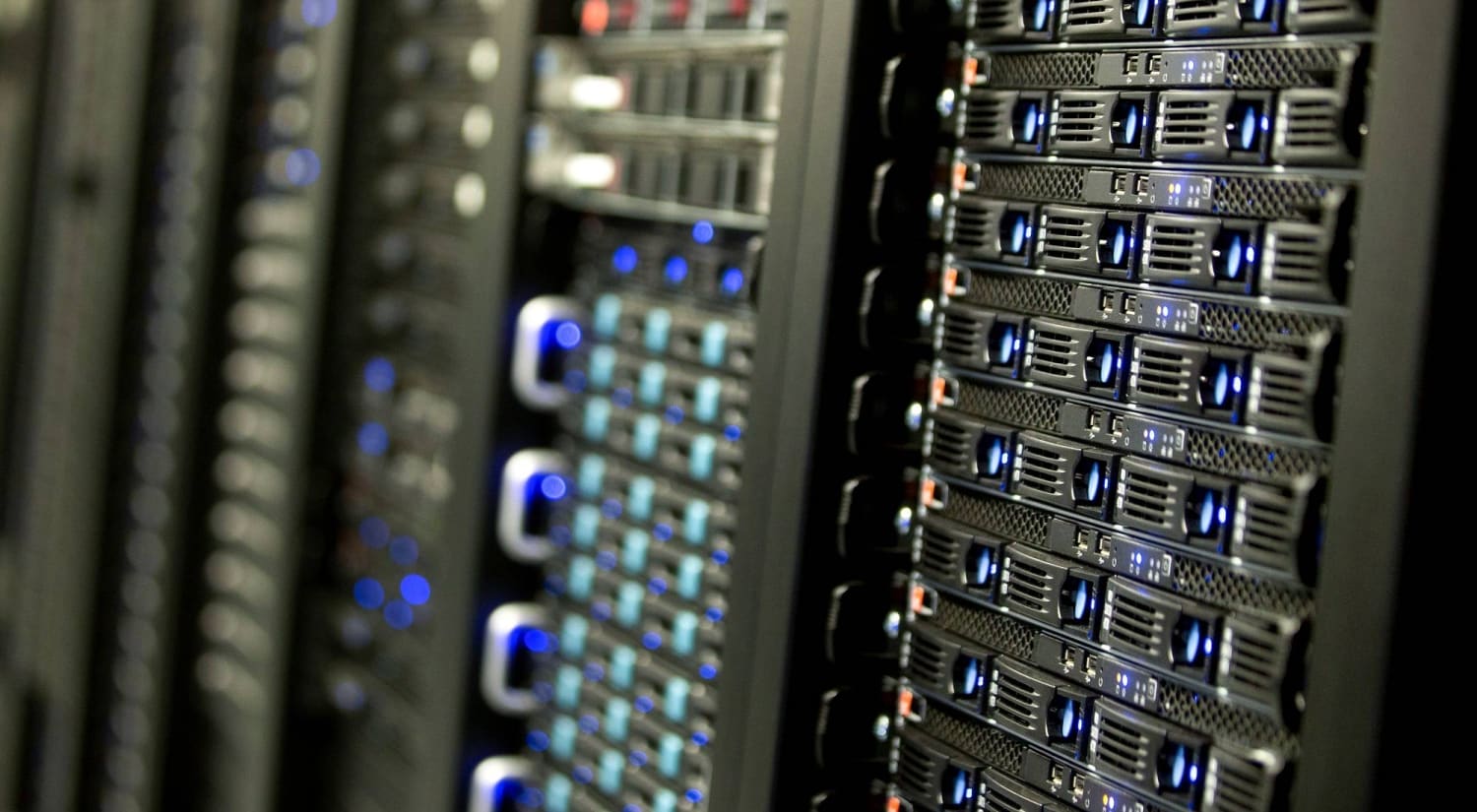
KEY TAKEAWAYS
- ·Akita Prefecture is developing an AI data center targeting a 2030 launch that could become one of Japan's largest computing facilities.
- ·The northern location offers cooler climate and renewable energy access, reducing operational costs for energy-intensive AI workloads.
- ·The project reflects Japan's push to expand domestic AI infrastructure amid rising demand and competition from neighboring Asian markets.
Northern Japan's AI Ambitions
Akita Prefecture is pushing forward with plans to develop a large-scale artificial intelligence data center, positioning the northern Japanese region as a potential hub for AI computing infrastructure. The facility aims to begin operations by 2030 at the earliest, according to project details.
If completed as envisioned, the data center would rank among Japan's largest AI-focused infrastructure facilities, marking a significant expansion of the country's domestic computing capacity at a time when demand for AI processing power continues to surge across Asia.
Strategic Location in Japan's Northeast
The choice of Akita for such a facility reflects broader trends in data center site selection across developed markets. Northern prefectures offer cooler climates that reduce cooling costs, one of the largest operational expenses for energy-intensive AI computing facilities. The region also has access to renewable energy resources, including wind and hydroelectric power, which align with sustainability goals increasingly important to hyperscale infrastructure operators.
Japan has been working to expand its data center footprint to support growing AI workloads domestically and serve as a regional hub for cloud and machine learning services. Major technology companies have announced investments in Japanese data infrastructure over the past two years, driven by concerns about data sovereignty, latency requirements for real-time AI applications, and the strategic importance of localized computing resources.
Timeline and Development Phase
The 2030 target date positions the Akita facility within the current wave of AI infrastructure buildouts across Asia. Planning and permitting for large-scale data centers typically require multiple years, followed by construction phases that can extend 18 to 36 months depending on facility scale and complexity.
Details about the project's backers, investment scale, and technical specifications have not been disclosed. However, facilities described as among the nation's largest typically involve investments in the hundreds of millions to low billions of dollars and require power capacity measured in tens or hundreds of megawatts.
Japan's AI Infrastructure Race
Japan faces competition from neighboring markets in the race to build AI-ready infrastructure. South Korea, Singapore, and increasingly Vietnam and Malaysia have attracted major data center investments from global cloud providers and AI companies seeking alternatives to concentrated capacity in established hubs.
Tokyo and Osaka remain Japan's primary data center markets, but the high cost of land and power in these metros has prompted developers to consider secondary locations. Akita's move reflects a pattern seen elsewhere in Asia, where regional governments offer incentives and streamlined approvals to attract digital infrastructure investment and the economic activity it generates.
The data center sector in Japan has also been shaped by government policy encouraging domestic AI development and digital transformation across industries. As generative AI adoption accelerates among Japanese enterprises, demand for local computing resources that meet data residency requirements and provide low-latency access continues to grow.
Power and Sustainability Considerations
AI data centers consume substantially more power per rack than traditional cloud facilities, creating challenges for grid capacity and sustainability commitments. Akita's renewable energy potential may prove critical to the project's viability, particularly as operators face pressure from customers and regulators to demonstrate progress on carbon reduction.
The prefecture's willingness to accommodate a facility of this scale suggests coordination with local utilities and potentially national energy policy frameworks designed to support strategic digital infrastructure. How the project addresses power sourcing and grid integration will likely influence its development timeline and operational economics.
The Akita data center plan arrives as Japan works to balance its AI ambitions with practical constraints around energy availability, land use, and the need to distribute economic benefits beyond major urban centers. Whether the 2030 timeline holds will depend on factors ranging from permitting and financing to the evolution of AI chip supply chains and broader market conditions in the rapidly changing data center sector.
RELATED STORIES
Rakuten Partners With German AI Firm Helsing on Military Drone Tests in Japan
Aiko Nakamura · 3 min
Tier IV Plans Open-Source AI Chip Design to Cut Automaker Costs
Aiko Nakamura · 3 min
Toppan Pushes for Higher FC-BGA Substrate Prices as Japan Capacity Doubles
Cheng Wei-Lun · 3 min

Insta360 Enters Mirrorless Camera Market With Two Unconventional Models
Cheng Wei-Lun · 3 min
Spot something wrong? Email editor@briefasia.com. We log every correction publicly.