Real Estate · Land
Aeon Plans to Triple Vietnam Mall Count to 30 by 2030
Japanese retail giant shifts focus to Southeast Asian market with aggressive expansion targeting community-integrated developments
KEY TAKEAWAYS
- ·Aeon intends to grow its Vietnam shopping center portfolio from nine locations to 30 by fiscal 2030, marking a more than threefold expansion.
- ·The retailer is shifting toward community-integrated and mixed-use formats, moving away from standalone mega-malls to align with local urban planning priorities.
- ·The expansion coincides with intensifying competition from Thailand's Central Retail, which has announced plans to open over 30 large stores in Vietnam by 2029.
Aggressive Expansion Timeline
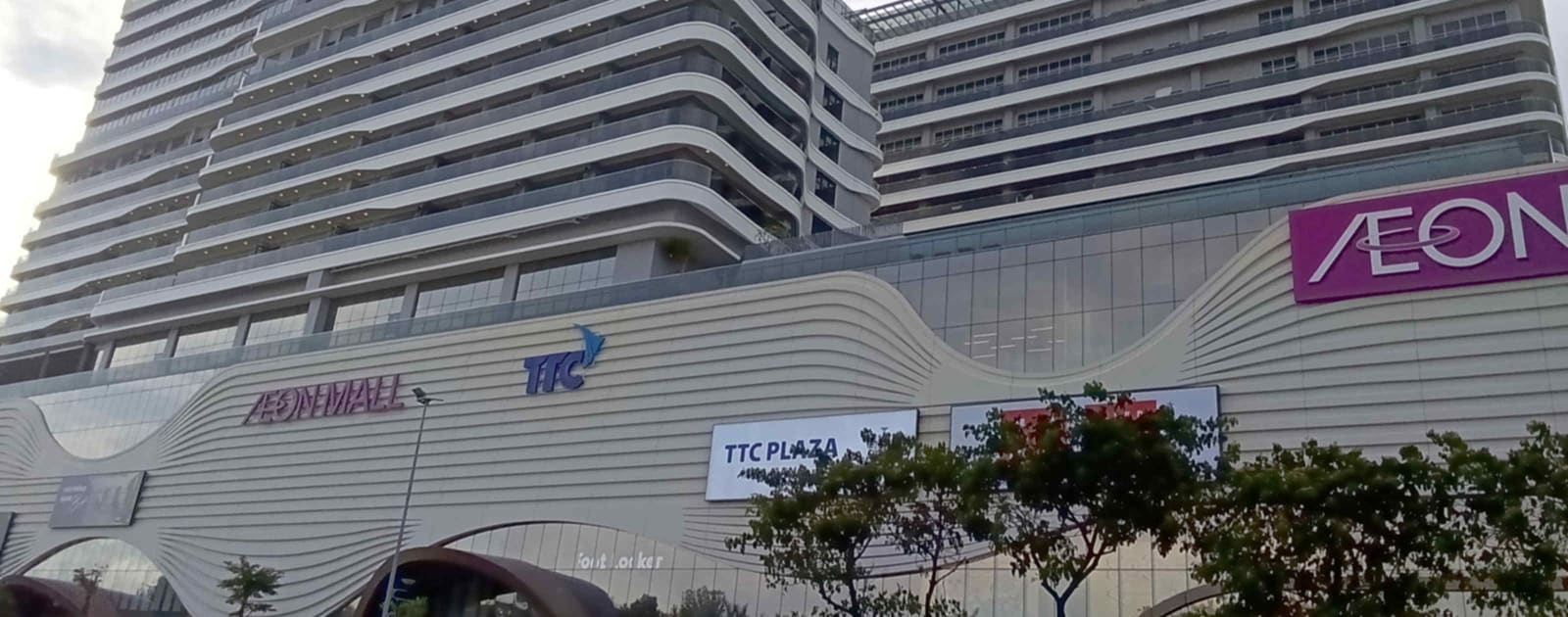
Aeon is preparing to expand its Vietnam operations at a scale rarely seen among foreign retailers in Southeast Asia. The Japanese retail conglomerate intends to operate 30 shopping centers across Vietnam by fiscal 2030, a more than threefold increase from the nine locations currently open. The timeline represents one of the most ambitious retail buildouts in the country's recent history.
The company opened Aeon Mall Da Nang Thanh Khe on June 3 in the central city of Da Nang, signaling its intent to move beyond the southern commercial hub of Ho Chi Minh City and the northern capital Hanoi. The expansion strategy points to a bet on Vietnam's rising middle class and sustained GDP growth, even as consumer spending patterns show signs of caution.
Community-Focused Format Shift
Aeon's upcoming locations will differ from the company's earlier mega-mall approach. The retailer is designing new centers to integrate with surrounding neighborhoods, with some planned as part of mixed-use developments that combine retail, residential, and office space. This shift reflects lessons learned from Vietnam's evolving urban landscape, where standalone shopping centers increasingly compete with convenience-driven formats.
The move toward community integration also aligns with local government priorities in several Vietnamese cities, which have encouraged developers to create multi-functional spaces rather than single-use commercial zones. Aeon's willingness to adapt its format may smooth regulatory approvals and land acquisition processes as it pursues the next 21 sites.
Regional Retail Battleground
Vietnam has become a contested market for regional retail players. Thailand's Central Retail announced plans to open over 30 large stores in Vietnam by 2029, setting up a direct clash with Aeon's timeline. Both companies are racing to capture prime locations before the market saturates.
The competitive intensity comes despite mixed signals from Vietnamese consumers. While the country posted 8.39 percent GDP growth in the second quarter, household spending remains cautious. Shoppers are prioritizing value, a trend that has prompted Aeon to introduce discount-oriented formats in other markets, including China.
Aeon's Vietnam bet also contrasts with the broader challenges facing brick-and-mortar retail across Asia. E-commerce penetration continues to climb, and younger Vietnamese consumers show increasing comfort with online shopping platforms. The company's success will depend on whether its community-focused malls can offer experiences and conveniences that digital channels cannot replicate.
Site Selection and Execution Risk
Securing 21 additional locations within four fiscal years will test Aeon's local partnerships and execution capabilities. Vietnam's real estate market has seen sharp price increases in key cities, with Hanoi property prices rising enough to attract renewed interest from developers like Keppel. Land costs and construction timelines could compress margins or delay openings.
The retailer will also need to navigate Vietnam's regulatory environment, which can be unpredictable for foreign investors. Permitting processes, import regulations for retail goods, and local content requirements all present variables that could slow the rollout.
Aeon's emphasis on mixed-use developments may offer a hedge against these risks. By partnering with property developers on integrated projects, the company can share upfront costs and benefit from built-in foot traffic from residential and office tenants. This model has gained traction in other Southeast Asian markets, where single-use retail increasingly struggles to justify standalone investment.
Broader Southeast Asia Strategy
The Vietnam push is part of Aeon's wider Southeast Asian footprint, which includes established operations in Malaysia and newer ventures in Cambodia and Indonesia. The company is also expanding its discount store network in China, where a slowing economy has shifted consumer preferences toward budget retailers.
Vietnam represents a middle ground in Aeon's regional portfolio, offering stronger growth prospects than mature markets like Japan while presenting less execution risk than frontier markets. The country's young population, urbanization rate, and improving infrastructure make it a logical anchor for the company's Southeast Asian ambitions.
Whether Aeon can deliver 30 operational malls by 2030 will depend on its ability to balance speed with site quality, manage construction costs in an inflationary environment, and adapt formats quickly as Vietnamese consumer behavior evolves. The next two years will be critical as the company moves from planning to ground-breaking on the majority of the new sites.
RELATED STORIES
Vietnam's National Assembly Closes Extraordinary Session With Nuclear and Renewable Energy Approvals
Tran Quoc Bao · 3 min

Japanese Chipmaker Plans Southeast Asia Production Expansion
Cheng Wei-Lun · 3 min
Da Nang Airport Begins $379 Million Terminal Expansion in August 2027
Tran Quoc Bao · 4 min
Phu Quoc Prepares $5 Billion Infrastructure Push for 2027 APEC Summit
Tran Quoc Bao · 3 min
Spot something wrong? Email editor@briefasia.com. We log every correction publicly.