Finance · Deals
Acrophyte Hospitality Trust Plunges 14% on Distribution Freeze Through 2028
The Gordon Tang-controlled trust suspends payouts as renovation backlog and limited debt capacity squeeze liquidity, with distributable income falling 36% in the first half
KEY TAKEAWAYS
- ·Acrophyte Hospitality Trust suspended distributions through at least mid-2028 after distributable income fell 35.8% to US$1.8 million in H1 2026, sending units down 14.3% to US$0.197.
- ·The trust faces a US$100 million renovation backlog deferred from Covid-19, with gearing at 43.2% nearing the 50% statutory limit and average debt cost of 6.1% exceeding distribution yield.
- ·Managers ruled out additional borrowing due to limited debt headroom and 0.8-year weighted average debt maturity, leaving unclear timing for payout resumption.
Sharp Sell-Off Follows Payout Suspension
Acrophyte Hospitality Trust plunged 14.3% on Thursday, closing at US$0.197 after its managers announced a distribution freeze lasting until at least the second half of 2028. The stapled security saw roughly 3.4 million units trade hands as investors absorbed news of the trust's deteriorating financial position.
The Singapore-listed hospitality trust, controlled by property tycoons Gordon Tang and his wife Celine Tang, reported distributable income of US$1.8 million for the six months ended June 30, down 35.8% from US$2.8 million a year earlier, according to the trust managers. Revenue slipped 2.6% to US$76.1 million from US$78.1 million, while net property income fell 6.1% to US$16.9 million.
The managers cited "significant capital requirements of the stapled group and its limited funding capacity" as the reason for halting distributions to securityholders. They noted distributions may resume earlier if circumstances improve, but provided no specific timeline.
Renovation Backlog Drains Cash
At the heart of Acrophyte's liquidity crunch sits a deferred maintenance problem stretching back to the pandemic. The trust postponed renovations across its portfolio during Covid-19 to preserve cash, creating what managers now describe as a "substantial backlog" of capital expenditure.
The managers estimate the trust requires approximately US$100 million in capital spending from fiscal 2025 through 2027. The trust already spent US$30.5 million in FY2025, with another US$26.6 million planned for FY2026 and US$45 million for FY2027, according to the filing.
Cost pressures have intensified beyond initial projections. Higher prices for imported materials and labor reflect shifts in US trade policy and immigration rules, while ongoing geopolitical tensions add further strain. Operating profit dropped 5.9% to US$25.1 million in the first half, down from US$26.7 million.
Debt Ceiling Looms
Acrophyte faces a narrow corridor on leverage. The trust's aggregate gearing stood at 43.2% as of June 30, approaching the statutory 50% limit. Managers warned that any additional decline in portfolio valuations could breach that threshold, leaving minimal room for debt-financed capital projects.
The trust's average cost of debt reached 6.1% per annum, a rate that exceeds its distribution yield based on current unit prices and FY2025 payouts. Managers explicitly stated that further debt-funded expenditure would erode distributable income rather than support it.
Weighted average debt maturity has compressed to 0.8 years, with an interest coverage ratio of 1.6 times. The managers said they do not recommend taking on additional borrowing given these constraints.
Portfolio Under Pressure
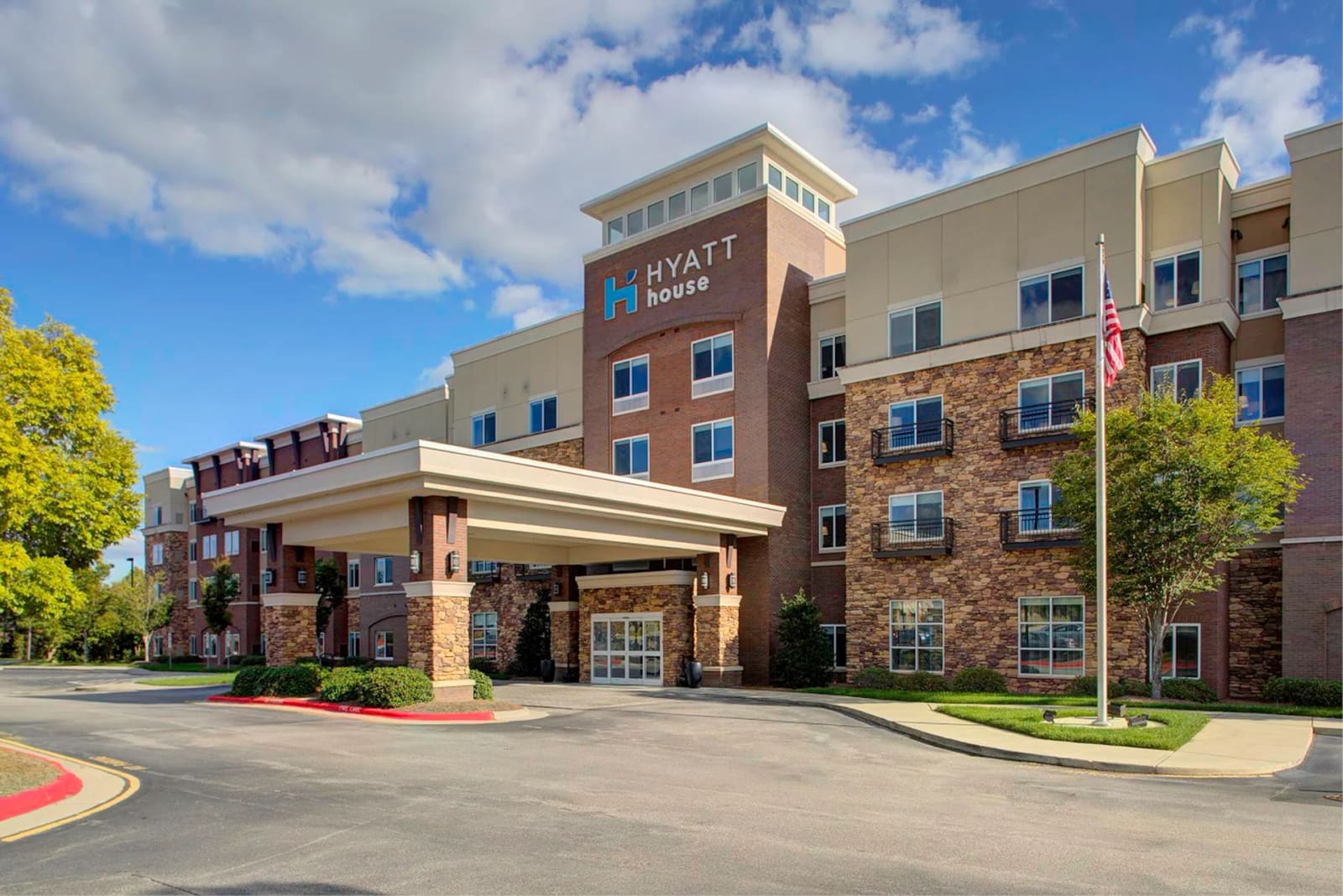
Acrophyte's portfolio includes properties such as the Hyatt House in Morrisville, North Carolina. The trust's performance reflects broader headwinds in select US hospitality markets, where occupancy and rate growth have softened from post-pandemic peaks.
The combination of deferred maintenance, rising construction costs, and tight debt markets creates a challenging operating environment for lodging trusts with aging assets. Acrophyte must balance the need to refresh properties to remain competitive against the reality of constrained capital.
The Tang family controls Acrophyte through Acrophyte Asset Management and related entities. Gordon Tang, a Singapore-based developer, has interests spanning hospitality and commercial real estate across Asia and North America.
Investors now face an extended wait for income, with no clarity on when cash distributions might return. The trust's ability to navigate the renovation cycle without breaching leverage limits or diluting existing securityholders will determine whether distributions resume ahead of the 2028 target.
RELATED STORIES
Singapore IPOs Sink After Debut as Small Caps Struggle for Investor Attention
Priyanka V. Rao · 3 min
Singapore's Big Three Banks Post Solid First-Half Gains as Wealth Offsets Margin Pressure
Priyanka V. Rao · 3 min
Singapore Banks Hit Record Highs on Wealth Management Surge
Priyanka V. Rao · 2 min
Allianz Acquires HSBC Singapore Insurance Operations in $2.3 Billion Deal
Priyanka V. Rao · 3 min
Spot something wrong? Email editor@briefasia.com. We log every correction publicly.