Sustainability · Energy
AboitizPower Partners with Korean Nuclear Giant to Study Baseload Options
The Philippines' largest power producer signs exploratory pact with KHNP as the country inches toward its 1,200-megawatt nuclear deployment target.
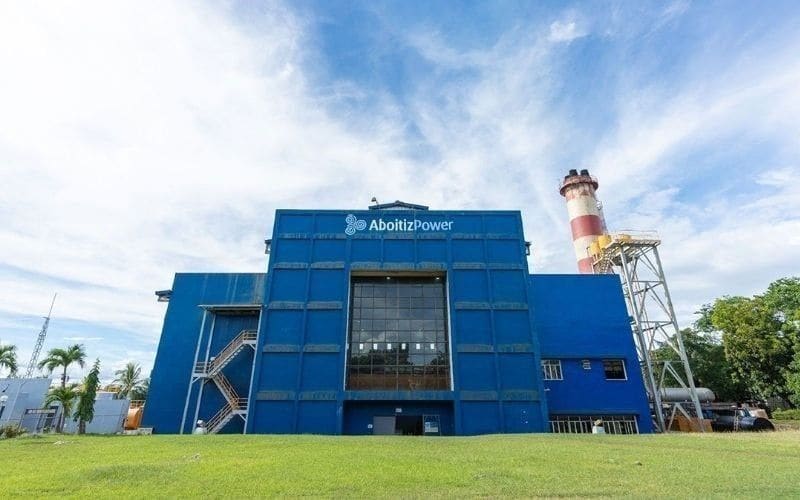
KEY TAKEAWAYS
- ·Aboitiz Power Corp. signed a non-binding memorandum of understanding with Korea Hydro & Nuclear Power to conduct joint pre-feasibility studies on nuclear energy technologies for the Philippines.
- ·The Philippine government aims to deploy 1,200 megawatts of nuclear capacity by 2035, a timeline that has slipped from the original 2032 target due to regulatory and technical hurdles.
- ·KHNP operates a nuclear plant identical in design to the Philippines' unused Bataan Nuclear Power Plant, providing a proven operational reference for feasibility assessments.
A Strategic Exploratory Step
Aboitiz Power Corp. has formalized an exploratory partnership with Korea Hydro & Nuclear Power Co. Ltd. to assess nuclear energy technologies and their feasibility for deployment in the Philippines. The memorandum of understanding, announced this week, commits both parties to joint pre-feasibility studies, information exchange, and capacity-building programs related to nuclear power generation.
The agreement is non-exclusive and imposes no binding obligations on either company. It represents the first major move by a Philippine private utility into nuclear feasibility work since the Department of Energy began actively courting international partners for the country's long-dormant nuclear ambitions.
"This MOU marks a meaningful step in AboitizPower's efforts to understand nuclear energy's potential contribution to the Philippines' energy security and reliable baseload capacity," according to Aboitiz Power chief corporate services officer Carlos Ramon Aboitiz. He emphasized that any future nuclear venture would require rigorous technical assessments and strong regulatory oversight, given the complexity and stringent safety requirements involved.
Why Korea Hydro & Nuclear Power
KHNP is South Korea's largest electricity generator, accounting for roughly 33 percent of the nation's total power output. The state-owned firm operates multiple reactors and has accumulated decades of operational experience in a regulatory environment known for its technical rigor.
Crucially, South Korea currently operates a nuclear plant that shares the same design as the Philippines' Bataan Nuclear Power Plant, a completed but never-activated facility built in 1984. Safety concerns and political turbulence during the Marcos era left the Bataan plant idle, but its twin in South Korea has been generating power reliably for years. That operational track record offers a concrete reference point for Philippine feasibility studies.
Il-kyung Choi, KHNP senior executive vice president, said the Korean firm is committed to supporting the Philippines' energy transition through close collaboration with Aboitiz Power.
Manila's Nuclear Timeline Slips
The Philippine government initially set a target of deploying at least 1,200 megawatts of commercially operational nuclear capacity by 2032. However, the Department of Energy has since acknowledged that timeline may slip to 2035, reflecting the regulatory, technical, and financing hurdles inherent in launching a nuclear program from scratch.
Energy Secretary Sharon Garin attended the MOU signing and underscored the need for public-private coordination. "The country's transition toward a secure, clean and reliable energy future cannot be achieved through government efforts alone," Garin said. She pointed to partnerships with experienced operators like KHNP as essential to building local capacity and establishing best practices.
Baseload Pressure in a Coal-Exit Environment
The Philippines faces mounting pressure to secure reliable baseload generation as older coal plants retire and intermittent renewables expand. Aboitiz Power itself operates a mix of hydroelectric, geothermal, and thermal assets, but baseload capacity gaps loom as the country's economy grows and electrification accelerates.
Nuclear advocates argue that small modular reactors or conventional light-water designs could fill that gap with low-carbon, round-the-clock generation. Critics point to high capital costs, long lead times, and the lack of a domestic regulatory framework for commercial nuclear operations.
The Aboitiz-KHNP pact does not commit either party to construction or investment. Instead, it sets the stage for data gathering, site assessments, and technical due diligence that could inform a future decision on whether to proceed with a nuclear project.
Regional Context
Across Southeast Asia, nuclear interest is rising. Vietnam has revived feasibility studies after shelving its nuclear program in 2016. Indonesia has signed multiple MOUs with international reactor vendors, though none have advanced to construction. Thailand continues to debate the political and technical merits of nuclear baseload.
The Philippines' advantage lies in its existing, albeit unused, nuclear infrastructure at Bataan and a power sector that has long relied on private capital and independent power producers. If Aboitiz Power moves beyond feasibility into development, it would mark the first privately led nuclear venture in the region, a model that could influence neighboring markets.
For now, the MOU represents a measured first step. The real test will come when pre-feasibility findings land on executive desks and the question shifts from whether nuclear is technically viable to whether it is financially and politically viable in a market already crowded with renewables, LNG, and legacy coal.
RELATED STORIES

Jollibee Brings Compose Coffee to Manila With Five-Year Expansion Plan
Priyanka V. Rao · 3 min

Manila Eyes Nickel Processing to Escape China's Price Control
Priyanka V. Rao · 4 min
San Miguel's Ramon Ang Takes Quarter Stake in Lopez Holding Company
Priyanka V. Rao · 5 min

San Miguel's Ramon Ang Enters Lopez Family Holding Amid Boardroom Battle
Priyanka V. Rao · 3 min
Spot something wrong? Email editor@briefasia.com. We log every correction publicly.