Asia · Business
48 Philippine Power Utilities Charge Above National Average
Generation costs and spot market exposure drive rates higher in country already facing Southeast Asia's steepest electricity prices
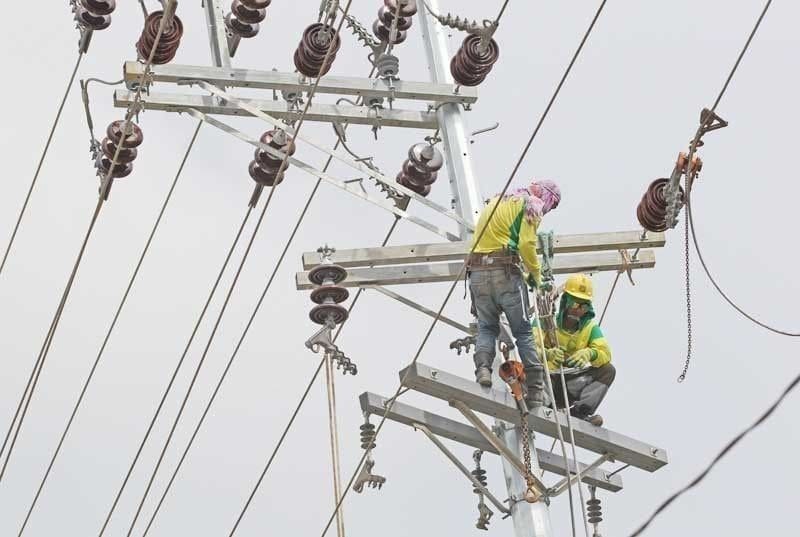
KEY TAKEAWAYS
- ·Forty-eight Philippine distribution utilities charged residential rates above the P12.43 per kilowatt-hour national average in June, with Southern Leyte Electric Cooperative recording the highest at P16.57 per kWh.
- ·Utilities with greater exposure to the Wholesale Electricity Spot Market face higher price volatility, while those prioritizing geothermal energy procurement posted rates as low as P9.85 per kWh.
- ·Renewables account for only 25 percent of the Philippines' energy mix versus 60 percent coal, with Indonesia supplying 98 percent of coal imports and exposing utilities to commodity price swings.
Generation Charges Drive Regional Disparities
Forty-eight on-grid power distribution utilities across the Philippines charged residential customers rates above the national average of P12.43 per kilowatt-hour in June, according to the Institute for Climate and Sustainable Cities. The finding comes as the country already holds the distinction of Southeast Asia's highest average residential electricity rate, surpassing Singapore by P0.093 per kWh last month.
Generation charges, which cover the cost of power procured through bilateral supply contracts and the Wholesale Electricity Spot Market, account for the largest portion of consumer bills. Southern Leyte Electric Cooperative recorded the country's highest on-grid residential rate at P16.57 per kWh in June, sourcing 24.57 percent of its supply from WESM.
Alberto Dalusung III, energy transition advisor at ICSC, attributed the elevated rates to sustained demand during summer months combined with power plant outages. These conditions forced utilities to rely on costlier fuel sources and spot market purchases, where prices fluctuate based on real-time supply and demand conditions.
Spot Market Exposure Creates Volatility
Distribution utilities with greater exposure to WESM purchases face heightened vulnerability to price spikes. Unlike fixed-rate supply contracts that lock in prices over longer periods, spot market rates surge when electricity demand peaks or generation capacity tightens. This dynamic particularly impacts smaller cooperatives and utilities in regions with limited access to base-load generation.
The Department of Energy identified the supply-demand imbalance as the primary driver behind June's rate increases. Unplanned outages at several coal-fired plants during peak consumption periods left utilities scrambling for replacement power at premium prices.
Renewable Energy Shows Cost Advantage
Power utilities prioritizing geothermal energy procurement posted significantly lower rates. Bohol I Electric Cooperative charged P10.80 per kWh in June, while San Jose City Electric Cooperative in Nueva Ecija recorded P9.85 per kWh, both well below the national average.
The cost differential highlights the price stability advantage of indigenous renewable resources. Geothermal plants operate as base-load facilities with predictable output and costs insulated from global commodity price swings. By contrast, coal-fired generation exposes utilities to fuel cost volatility, with Indonesia supplying roughly 98 percent of Philippine coal imports.
Renewables currently represent only 25 percent of the country's energy mix, with coal-fired generation still dominating at approximately 60 percent. ICSC emphasized that reducing dependence on imported fuels would better protect consumers from electricity price volatility, as fuel costs flow directly into generation charges.
Infrastructure and Procurement Strategies Under Scrutiny
The rate disparities across distribution utilities point to structural issues in power procurement practices and generation mix optimization. Utilities with diversified supply portfolios and higher renewable energy shares demonstrate greater resilience against fuel price shocks and spot market turbulence.
ICSC called for improved power procurement strategies centered on indigenous renewable energy resources. The think tank argued that a more diversified generation mix would enhance affordability, energy security, and system resilience. With coal contracts typically indexed to global commodity markets, utilities face ongoing exposure to external price pressures beyond their control.
The Philippines continues to grapple with electricity costs that burden both households and businesses. Manufacturing sectors cite high power rates as a competitive disadvantage relative to regional peers. As the country pursues economic growth targets, addressing electricity affordability through generation diversification and procurement reform remains a pressing policy challenge.
RELATED STORIES

Philippine Water Operator Earmarks $400 Million for Southeast Asia Expansion
Mariel D. Santos · 2 min

Philippines Energy Budget Climbs 26% as Electric Vehicle Funding Surges
Priyanka V. Rao · 3 min
Philippine Nickel Miners Push for Unified Policy Framework as Critical Minerals Race Intensifies
Priyanka V. Rao · 3 min
Philippine Manufacturing Expands at Fastest Pace Since 2016
Priyanka V. Rao · 3 min
Spot something wrong? Email editor@briefasia.com. We log every correction publicly.