Finance · Markets
Yen Strengthens Past 160 Per Dollar as Intervention Risk Returns
Japanese currency breaks two-week pattern amid growing market concern over coordinated official action
KEY TAKEAWAYS
- ·The yen briefly strengthened into the 160-per-dollar range Thursday, the first time since June 19, as traders unwound positions on intervention concerns.
- ·Comments from a South Korean currency official added to speculation about potential coordinated action by Japanese authorities to stabilize the yen.
- ·Crowded dollar-long positions amplified the yen's gains as market participants reassessed intervention risk at the psychologically significant 160 level.
Sharp Reversal Breaks Two-Week Pattern
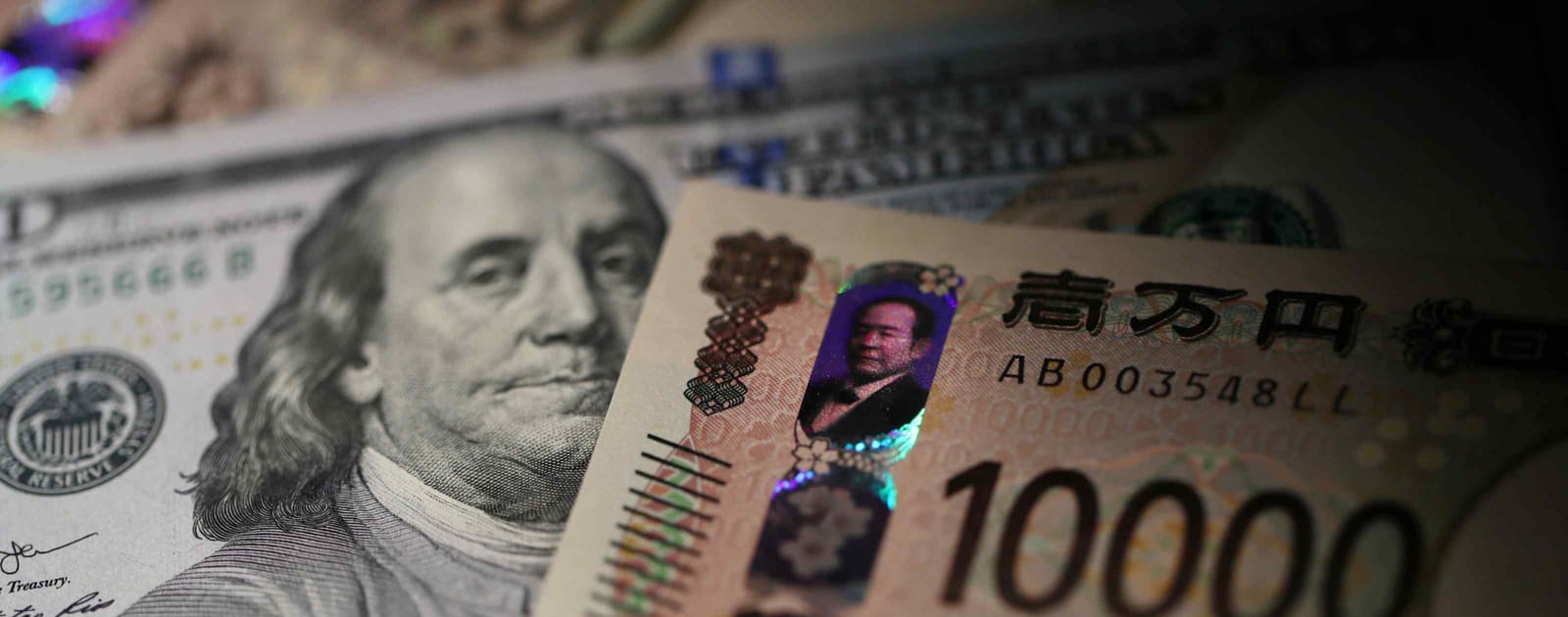
The Japanese yen strengthened sharply against the U.S. dollar Thursday, briefly breaking into the 160-per-dollar range for the first time since June 19. The move caught traders off guard as market participants rushed to unwind dollar positions amid mounting concerns that Japanese authorities might step into currency markets.
The intraday surge represented a significant reversal for the yen, which had been trading weaker throughout much of the previous fortnight. Currency desks across Tokyo reported accelerated activity during the Asian trading session as the psychological 160 level came into view.
Market participants pointed to heightened nervousness around potential official intervention as the primary driver. The yen's recent weakness had drawn increasingly pointed warnings from Japanese policymakers, fueling speculation that tolerance for further depreciation was wearing thin.
Regional Dimension Amplifies Pressure
Comments from a South Korean currency official added fresh layers to intervention speculation, raising the possibility of coordinated action between regional authorities. While details of the remarks were not disclosed, their timing coincided with the yen's strengthening move and intensified chatter among currency traders about a broader Asian response to dollar strength.
South Korea has its own history of sensitivity to won volatility, particularly during periods of rapid capital outflows. Any suggestion that Seoul might coordinate with Tokyo on currency stability carries weight in regional FX markets, where memories of past crises remain vivid.
The potential for joint action would mark a departure from Japan's typical approach of unilateral intervention. Coordinated efforts carry greater market impact and send stronger signals about official resolve, factors that traders weigh carefully when positioning in yen crosses.
Shifting Sentiment Among Dollar Bulls
The speed of the yen's move higher reflected how crowded dollar-long positions had become. Traders who had been betting on continued yen weakness found themselves scrambling to exit as intervention risk rose, amplifying the currency's gains through forced unwinding.
Japan's Ministry of Finance has historically been opaque about the precise thresholds that trigger intervention, a deliberate strategy designed to keep markets guessing. The lack of clarity means traders must constantly reassess risk, particularly when the yen approaches levels previously defended by authorities.
The 160 level itself holds symbolic significance. It represents a marker beyond which policymakers have signaled discomfort in the past, though the exact trigger points shift with broader economic conditions and the pace of currency moves.
Broader Dollar Dynamics at Play
The yen's behavior does not occur in isolation. The dollar has rallied broadly across Asian currencies in recent months, supported by resilient U.S. economic data and interest rate differentials that favor holding dollar-denominated assets. This backdrop has kept pressure on the yen despite periodic jawboning from Japanese officials.
For Japanese authorities, the challenge lies in balancing intervention costs against the benefits of a weaker currency for exporters. A cheaper yen boosts overseas earnings for manufacturers, but excessive volatility or rapid depreciation can destabilize markets and erode household purchasing power through higher import costs.
Thursday's move suggests that threshold calculations may be shifting. Whether the yen's strengthening proves durable or merely a brief respite depends on how aggressively authorities follow through and whether broader dollar trends continue to favor U.S. currency strength.
Market participants will be watching closely for any confirmation of official action in the days ahead. Japan typically discloses intervention activity with a lag, leaving traders to infer official involvement from price action and trading volumes in the immediate aftermath.
RELATED STORIES

Japan Deploys $96.5 Billion in Currency Intervention to Halt Yen's Slide
Aiko Nakamura · 3 min
Yen Climbs to Eight-Month High as Rate Hike Expectations Shift Sentiment
Jun-ho Seo · 3 min

Japan Spent $96.5 Billion in Record Single-Round Currency Intervention
Cheng Wei-Lun · 3 min

Japan Deploys Record ¥15.39 Trillion to Defend Yen in Two-Month Intervention
Cheng Wei-Lun · 3 min
Spot something wrong? Email editor@briefasia.com. We log every correction publicly.