Finance · Markets
Vietnamese Dong Slides as Dollar Holds Near One-Week High
Vietnam's currency weakened at commercial banks while the greenback maintained strength amid Middle East tensions and global energy supply concerns.
KEY TAKEAWAYS
- ·The Vietnamese dong weakened 0.08% at Vietcombank to VND26,510 per dollar, while black market rates fell 0.83% to VND26,330.
- ·The U.S. dollar index held steady at 100.96, near its highest level since mid-July, driven by Middle East tensions and energy supply concerns.
- ·Vietnam's currency divergence between official and black market channels signals shifting liquidity and potential pressure on the central bank's managed exchange rate band.
Currency Movement at Vietnamese Banks
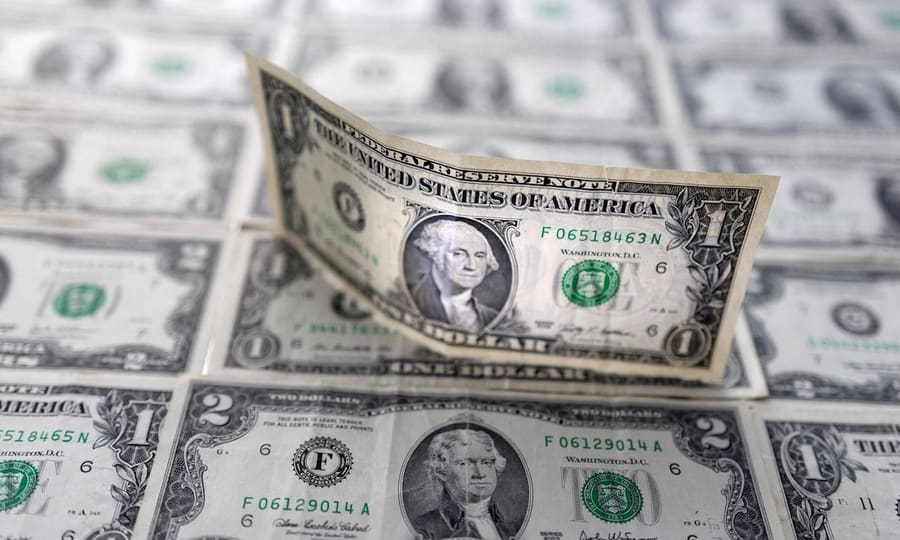
The Vietnamese dong weakened against the U.S. dollar on Tuesday morning, with Vietcombank selling the greenback at VND26,510, representing a 0.08% increase from the previous session. The move came as the dollar maintained its position near a one-week peak against major global currencies.
The parallel market told a different story. Black market rates for the dollar fell 0.83% to VND26,330, creating an unusual divergence between official and unofficial channels. This gap between formal banking rates and street-level trading suggests mixed sentiment among currency traders and businesses operating outside regulated channels.
Global Dollar Strength Persists
The dollar's resilience reflects broader market uncertainty tied to Middle East developments. Escalating hostilities in the region have reignited concerns about energy supply disruptions, a familiar pressure point for Asian economies heavily dependent on imported oil and gas. At the same time, intermittent ceasefire discussions have provided occasional relief, leaving currency markets caught between opposing forces.
Against the Japanese yen, the dollar traded largely flat at 162.50. The euro remained steady at $1.1415, while the British pound held at $1.3434 following public commitments from Britain's new Prime Minister Andy Burnham to maintain fiscal discipline.
The U.S. dollar index, which tracks the currency against six major peers, stood at 100.96, hovering near its highest level since mid-July. That benchmark reflects sustained demand for dollar-denominated assets as investors weigh geopolitical risk against economic data from the United States and Europe.
Vietnam's Currency in Regional Context
For Vietnam, dong volatility carries direct implications for export competitiveness and import costs. A weaker dong can boost the price appeal of Vietnamese goods in overseas markets, but it also raises the bill for energy imports and raw materials priced in dollars. Manufacturing sectors, particularly electronics and textiles, watch these shifts closely as they manage thin margins and global supply contracts.
The divergence between official and black market rates also signals liquidity dynamics. When unofficial rates fall while bank rates rise, it often points to tighter dollar supply in formal channels and looser conditions in informal markets, a pattern seen during periods of regulatory tightening or shifts in remittance flows.
Vietnam's central bank has historically intervened to smooth excessive currency swings, using foreign exchange reserves and interest rate adjustments to keep the dong within a managed band. Recent movements remain modest by historical standards, but sustained dollar strength globally could test that framework in coming weeks.
Energy Markets and Asian Currencies
Energy supply fears stemming from Middle East tensions reverberate across Asia. Vietnam, like most of Southeast Asia, imports the majority of its crude oil despite domestic production. A spike in oil prices would pressure both the current account and inflation, complicating monetary policy decisions for the State Bank of Vietnam.
Other regional currencies have faced similar headwinds. The Thai baht, Indonesian rupiah, and Philippine peso have all shown sensitivity to dollar strength in recent sessions, reflecting shared exposure to energy imports and capital flow dynamics. Central banks across the region have signaled vigilance, though none have moved aggressively on rates in recent weeks.
The interplay between geopolitical risk and currency stability will likely remain a focal point for Asian markets. As ceasefire talks continue alongside military activity, traders are pricing in a wide range of outcomes, keeping volatility elevated and dollar demand firm.
RELATED STORIES

Malaysia Hospital Group A1Health Prepares US$1.7 Billion IPO for Early 2027
Tran Quoc Bao · 2 min

Vietnam's VN-Index Climbs Toward 1,800 as Market Sentiment Strengthens
Priyanka V. Rao · 3 min
Vietnam's Trade Turnover Hits $770 Billion as Imports Surge Past Exports
Jun-ho Seo · 2 min

Samsung's Vietnam Operations Post 23% Profit Jump to $2.3 Billion
Tran Quoc Bao · 3 min
Spot something wrong? Email editor@briefasia.com. We log every correction publicly.