Technology · Dev
TSMC Negotiates Price Increases Up to 10% for 2027 Production
The world's largest contract chipmaker signals higher costs ahead as AI demand and Arizona expansion strain manufacturing economics
KEY TAKEAWAYS
- ·Taiwan Semiconductor Manufacturing Co has begun discussions with clients about price increases of 5 to 10 percent for production starting in 2027, covering both advanced and mature semiconductors.
- ·Rising costs for materials, equipment, and power are pressuring margins, compounded by a $265 billion Arizona expansion and global supply chain disruptions from Middle East tensions.
- ·TSMC postponed increases to 2027 to give customers planning time while maintaining that sustainable profit margins are necessary to fund the capacity expansion clients are requesting.
Foundry Giant Signals Cost Pressure
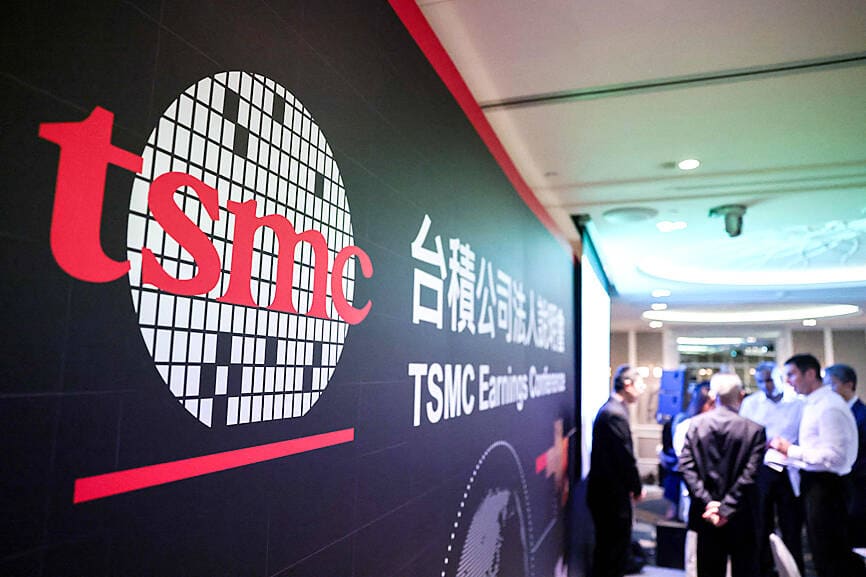
Taiwan Semiconductor Manufacturing Co has initiated conversations with major clients about implementing price increases of 5 to 10 percent starting in 2027, according to people familiar with the discussions. The adjustments would apply across both advanced and mature node production, marking a significant shift for a company that has historically maintained stable pricing through market cycles.
The foundry began these discussions last month and reached preliminary agreement on base price adjustments this month. The increases will take effect next year, giving customers time to incorporate the changes into their planning and budgets.
TSMC manufactures semiconductors for technology leaders including Nvidia, Apple, Alphabet, and Amazon. The company has built its reputation on long-term partnerships that avoid the volatile pricing swings common in memory markets. Chief executive C.C. Wei reinforced this philosophy during the company's recent earnings call, stating that the firm earns its value and ensures profit margins support sustained expansion that benefits both customers and the company itself.
Manufacturing Economics Under Strain
Rising costs across the production chain are driving the pricing discussions. Materials, fabrication equipment, and power expenses have climbed substantially, pressuring margins even as demand for AI-related chips remains strong. The company raised its capital expenditure forecast this month, anticipating continued artificial intelligence demand alongside the growing expense of capacity expansion.
The most visible cost pressure comes from TSMC's $265 billion Arizona project, described as the largest foreign direct investment in United States history. The multi-facility complex represents a geographic diversification strategy but carries significantly higher construction and operational costs than equivalent Taiwan-based capacity.
Global supply chain disruptions stemming from Middle East tensions have compounded these challenges, inflating logistics and materials costs. At the same time, customers like Nvidia have urged TSMC to accelerate expansion, concerned about potential bottlenecks in AI accelerator supply.
Balancing Growth and Profitability
TSMC reported better-than-expected revenue and profit for the second quarter, raising full-year growth forecasts on what executives call the "AI megatrend." Yet the company acknowledges challenges in fulfilling all customer orders despite aggressive capacity additions.
The pricing strategy reflects a calculated approach to maintaining the financial foundation for continued expansion. By postponing increases to 2027 rather than implementing them immediately, TSMC provides customers with a planning window while signaling that the current cost structure is unsustainable at existing price levels.
The company emphasized in a statement that its pricing remains strategic rather than opportunistic, maintaining close collaboration with customers to communicate value. This contrasts with spot-market dynamics that characterize other semiconductor segments, where prices can swing dramatically based on short-term supply and demand.
Regional Capacity Race
The pricing discussions unfold as the broader semiconductor industry navigates a period of massive capital investment. TSMC's Arizona facilities are progressing alongside other regional projects designed to reduce geographic concentration in chip manufacturing. These investments carry long-term strategic value but impose near-term financial pressure.
Taiwan remains TSMC's manufacturing center, but the company is building significant capacity in Japan and expanding its U.S. presence. Each location presents distinct cost structures, with overseas facilities generally carrying higher expenses for construction, labor, and operations compared to Taiwan-based fabs.
The AI chip surge has created urgency around these expansions. Data center operators continue to place large orders for advanced processors, while automotive and industrial customers compete for mature-node capacity. TSMC must balance these competing demands while maintaining the financial health to fund multi-year, multi-billion-dollar projects.
The 2027 price increases, if implemented as discussed, would mark a notable shift in TSMC's approach. The company has historically absorbed cost increases or offset them through efficiency gains rather than passing them directly to customers. The current environment appears to have shifted that calculation, with executives signaling that sustained margin levels are necessary to support the capital-intensive expansion customers themselves are requesting.
Industry observers will watch whether TSMC's major customers accept the increases without pushing significant volumes to competing foundries. With Samsung and Intel both pursuing advanced foundry business, TSMC's pricing power reflects both its technological leadership and the practical challenges of qualifying alternative suppliers for cutting-edge production.
RELATED STORIES

Taiwan Indicts Nvidia Manager in Chip-Smuggling Investigation
Cheng Wei-Lun · 4 min
Integrated Systems Will Drive Next Wave of AI Growth, Says TSMC
Cheng Wei-Lun · 4 min

Manila's Chip Industry Still Stalled in Assembly While Taipei Built Fabs
Priyanka V. Rao · 4 min

Xiaomi Unveils 3nm Mobile Processor to Challenge Qualcomm and MediaTek
Cheng Wei-Lun · 3 min
Spot something wrong? Email editor@briefasia.com. We log every correction publicly.