Technology · AI
TSMC's 2027 Price Hike Reshapes Chip Pricing Landscape
The Taiwan foundry giant's wafer cost increases signal sustained AI demand and could open pricing flexibility for Intel and rivals
KEY TAKEAWAYS
- ·TSMC plans to raise wafer prices for 2027 production, reflecting sustained artificial intelligence chip demand and tight supply at advanced process nodes.
- ·The price increases create strategic pricing room for Intel's foundry business as it competes to attract customers away from the Taiwan-based manufacturing giant.
- ·Higher TSMC costs may prompt industrywide pricing adjustments among foundries and fabless chip companies, with implications for margins across the semiconductor value chain.
Price Adjustments Signal Market Strength
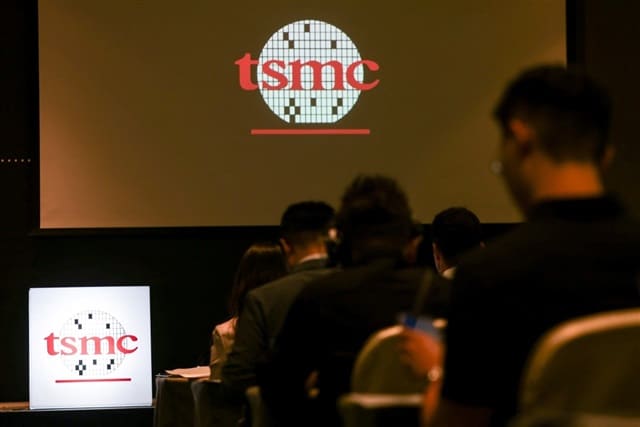
Taiwan Semiconductor Manufacturing Company has set wafer price increases for 2027, a move that industry observers interpret as confirmation of robust artificial intelligence chip demand. The pricing decision by the world's largest contract chipmaker carries implications beyond TSMC's own customer base, potentially reshaping competitive dynamics across the semiconductor industry.
The planned increases come as TSMC maintains its position as the dominant player in advanced chip manufacturing, producing processors for companies ranging from Apple and Nvidia to AMD and Qualcomm. According to TSMC, the pricing adjustments reflect continued strong demand for cutting-edge process nodes used in AI accelerators and high-performance computing applications.
Intel's Strategic Opening
The timing of TSMC's announcement creates fresh opportunities for Intel's foundry business. With TSMC raising baseline costs, Intel gains additional headroom to price its own manufacturing services competitively while maintaining margin targets. Intel has been working to rebuild its foundry operations as part of a broader turnaround strategy under CEO Pat Gelsinger, investing heavily in new fabrication facilities across the United States and Europe.
Intel's foundry ambitions have faced skepticism from potential customers wary of relying on a competitor for manufacturing. Higher TSMC prices could make Intel's value proposition more attractive, particularly for customers seeking geographic diversification or concerned about concentration risk in Taiwan.
The company has secured foundry commitments from several clients, though it has yet to announce marquee wins comparable to TSMC's roster. Industry analysts suggest that pricing flexibility could prove decisive as Intel courts major chip designers evaluating their manufacturing options for products launching in 2027 and beyond.
Broader Industry Implications
TSMC's pricing power reflects the sustained mismatch between advanced semiconductor supply and demand. Despite massive capital investments across the industry, leading-edge manufacturing capacity remains constrained. The bottleneck is particularly acute for AI chips, where demand has surged following the generative AI boom that began in late 2022.
Other foundries including Samsung and GlobalFoundries may also reassess their pricing structures in response to TSMC's moves. Samsung has been competing aggressively for foundry market share, sometimes undercutting TSMC on price to win designs. A general upward shift in wafer costs could benefit Samsung's margins if it chooses to follow TSMC's lead rather than maintain its discount positioning.
For fabless chip companies, higher manufacturing costs will flow through to their own pricing decisions. Companies with strong market positions and differentiated products can pass costs to customers. Those in more commoditized segments may face margin compression if end-market competition limits their pricing power.
Taiwan's Foundry Dominance
The pricing announcement underscores Taiwan's continued centrality to global semiconductor supply chains. TSMC commands more than 60 percent of the foundry market and an even larger share of advanced nodes below 7 nanometers. This concentration has prompted concerns in Washington, Brussels, and Tokyo about supply chain resilience, spurring subsidies for domestic chip manufacturing.
Yet TSMC's technological lead and manufacturing efficiency remain difficult to match. The company has maintained its edge through relentless capital spending and close partnerships with equipment makers. Its ability to raise prices while retaining customers demonstrates the depth of its competitive moat.
The 2027 price increases will affect products entering production two years from now, giving customers time to adjust designs and negotiate contracts. For chips already in development, engineering teams will need to evaluate whether higher manufacturing costs justify design changes or process node shifts.
TSMC's confidence in implementing price increases suggests the company expects AI-driven demand to persist well into the decade. That outlook stands in contrast to periodic concerns about AI bubble dynamics and questions over whether infrastructure investment can generate sufficient returns. For now, at least, the foundry leader is betting on sustained growth.
RELATED STORIES
Taiwan Indicts Nvidia Manager in Chip-Smuggling Investigation
Cheng Wei-Lun · 4 min
Integrated Systems Will Drive Next Wave of AI Growth, Says TSMC
Cheng Wei-Lun · 4 min
Manila's Chip Industry Still Stalled in Assembly While Taipei Built Fabs
Priyanka V. Rao · 4 min
Itochu and Taiwan IT Leader Back Taiwanese Chip Firms' Kyushu Push
Cheng Wei-Lun · 3 min
Spot something wrong? Email editor@briefasia.com. We log every correction publicly.