Asia · Trade
Trump Administration Expands Forced-Labor Tariffs Across 60 Economies
New duties targeting supply chains suspected of forced labor mark broadest trade enforcement action since 2025, affecting Asian manufacturers from Vietnam to Bangladesh.
KEY TAKEAWAYS
- ·The Trump administration imposed forced-labor tariffs on imports from 60 economies, affecting approximately USD 420 billion in annual U.S. imports, with Asian suppliers representing 70 percent of the total.
- ·Vietnam faces tariffs on an estimated USD 85 billion in export categories, while Bangladesh's garment sector confronts duties on USD 42 billion worth of shipments, with compliance costs estimated at 3 to 7 percent of production value.
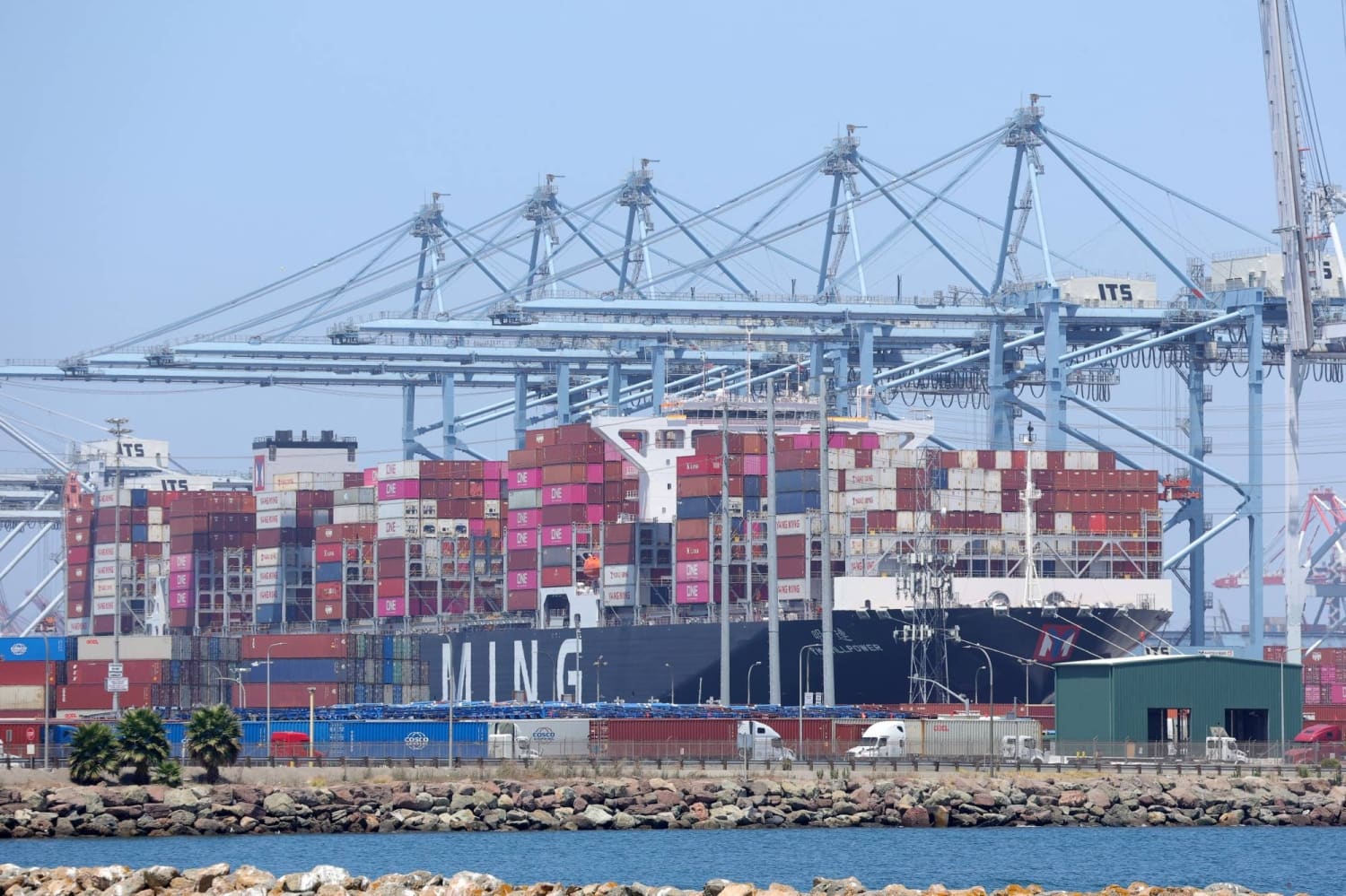
- ·Shipping container bookings from Vietnam to U.S. West Coast ports declined 12 percent in June, while the Vietnamese dong weakened 2.3 percent against the dollar following the tariff announcement.
Sweeping Trade Action Targets Supply Chains
The Trump administration has imposed tariffs on goods from 60 economies under forced-labor provisions, marking the broadest application of such duties since the policy framework was established in 2025. The action affects imports across multiple sectors, with particular impact on Asian manufacturing hubs including Vietnam, Bangladesh, Malaysia, and Cambodia.
The duties apply to products where U.S. authorities have identified credible evidence of forced labor in production or raw material sourcing. Affected categories span textiles, electronics components, seafood processing, and agricultural goods. The tariff rates vary by product and country, ranging from 15 percent to 35 percent ad valorem.
Trade data shows that the 60 economies collectively account for approximately USD 420 billion in annual U.S. imports. Asian suppliers represent roughly 70 percent of that total, with Southeast Asian nations bearing the heaviest exposure. Vietnam alone faces tariffs on an estimated USD 85 billion in export categories, while Bangladesh's garment sector confronts duties on USD 42 billion worth of shipments.
Regional Manufacturing Under Pressure
The enforcement mechanism relies on import documentation and third-party audits. U.S. Customs and Border Protection has expanded its Withhold Release Order system, which allows officials to detain shipments pending verification of labor practices. Since January, detention orders have increased 180 percent compared to the same period in 2025.
Manufacturers in affected economies are scrambling to comply. Vietnamese textile producers have begun implementing traceability systems for cotton sourcing, while Malaysian electronics firms are conducting supplier audits to document wage practices and working conditions. Compliance costs are estimated at 3 to 7 percent of production value, depending on supply chain complexity.
Industry groups in Asia have raised concerns about the breadth of the action. The Vietnam Chamber of Commerce and Industry noted that many small and mid-sized exporters lack the resources to conduct comprehensive supply chain audits, potentially locking them out of the U.S. market. Similar concerns have emerged from trade associations in Bangladesh, Indonesia, and the Philippines.
Enforcement Expands Beyond Traditional Targets
The 60-economy scope represents a significant expansion beyond earlier forced-labor enforcement, which focused primarily on specific regions and products. Previous actions targeted cotton from Xinjiang and seafood from certain processing facilities. The current wave casts a wider net, applying country-level scrutiny rather than product-specific restrictions.
Trade lawyers note that the administration is leveraging existing statutory authority under Section 307 of the Tariff Act of 1930, which prohibits imports made with forced labor. However, the scale of application is unprecedented. Legal challenges are expected, particularly from economies arguing that blanket tariffs lack sufficient product-specific evidence.
European and Japanese companies with supply chains in affected Asian countries are also feeling the impact. A Tokyo-based trading house reported that its Vietnamese sourcing partners are facing 20 to 30 percent cost increases due to compliance measures and potential tariff exposure. European apparel brands have begun diversifying sourcing to non-tariff countries, though options remain limited given manufacturing capacity constraints.
Market Implications and Trade Flow Shifts
Early data suggests the tariffs are already redirecting trade flows. Shipping container bookings from Vietnam to the U.S. West Coast ports declined 12 percent in June compared to May, while bookings from Mexico and Central America rose 8 percent over the same period. Analysts expect further reshuffling as importers seek tariff-free alternatives.
The action also carries implications for regional trade agreements. ASEAN members have raised the issue in bilateral dialogues with Washington, arguing that the tariffs undermine commitments under the U.S.-ASEAN Trade and Investment Framework Agreement. No formal dispute proceedings have been initiated, but trade officials in Jakarta and Bangkok have signaled potential countermeasures if the duties remain in place beyond the initial review period.
Financial markets in affected economies have reacted cautiously. The Vietnamese dong weakened 2.3 percent against the dollar in the week following the tariff announcement, while equity indices in Dhaka and Ho Chi Minh City posted declines of 4 to 6 percent. Currency traders are pricing in reduced export revenue and potential current account pressure.
Compliance Timelines and Industry Response
U.S. importers have a 90-day window to demonstrate that existing shipments comply with forced-labor standards, after which full tariff rates apply. Industry associations are lobbying for extended compliance timelines, citing the complexity of multi-tier supply chains in sectors like electronics and apparel.
Several multinational corporations have announced accelerated due diligence programs. A coalition of U.S. retailers pledged to implement blockchain-based traceability for textile imports by the fourth quarter, while electronics manufacturers are expanding third-party audit coverage to include raw material suppliers.
The administration has indicated that tariff relief is available for companies that can document labor practices meeting international standards. However, the verification process remains opaque, and trade groups are calling for clearer guidance on acceptable evidence and audit protocols. Without streamlined procedures, many exporters face prolonged uncertainty and potential market access disruptions that could reshape Asian manufacturing competitiveness for years.
RELATED STORIES

Itochu and Taiwan IT Leader Back Taiwanese Chip Firms' Kyushu Push
Cheng Wei-Lun · 3 min
Tokyo Summit Pushes Trilateral Tech Alliance Among Taiwan, Japan, and US
Cheng Wei-Lun · 3 min

Taiwan Indicts Nvidia Manager in Chip-Smuggling Investigation
Cheng Wei-Lun · 4 min

Taiwan Suppliers Face Delivery Delays as Beijing Slows Critical Materials Clearances
Cheng Wei-Lun · 3 min
Spot something wrong? Email editor@briefasia.com. We log every correction publicly.