Real Estate · Homes
Tokyo Condo Prices Climb to New Record in First Half of 2026
Average prices in the capital's 23 wards surpassed ¥142 million as the city's housing market continues its upward trajectory amid tight supply and sustained demand.
KEY TAKEAWAYS
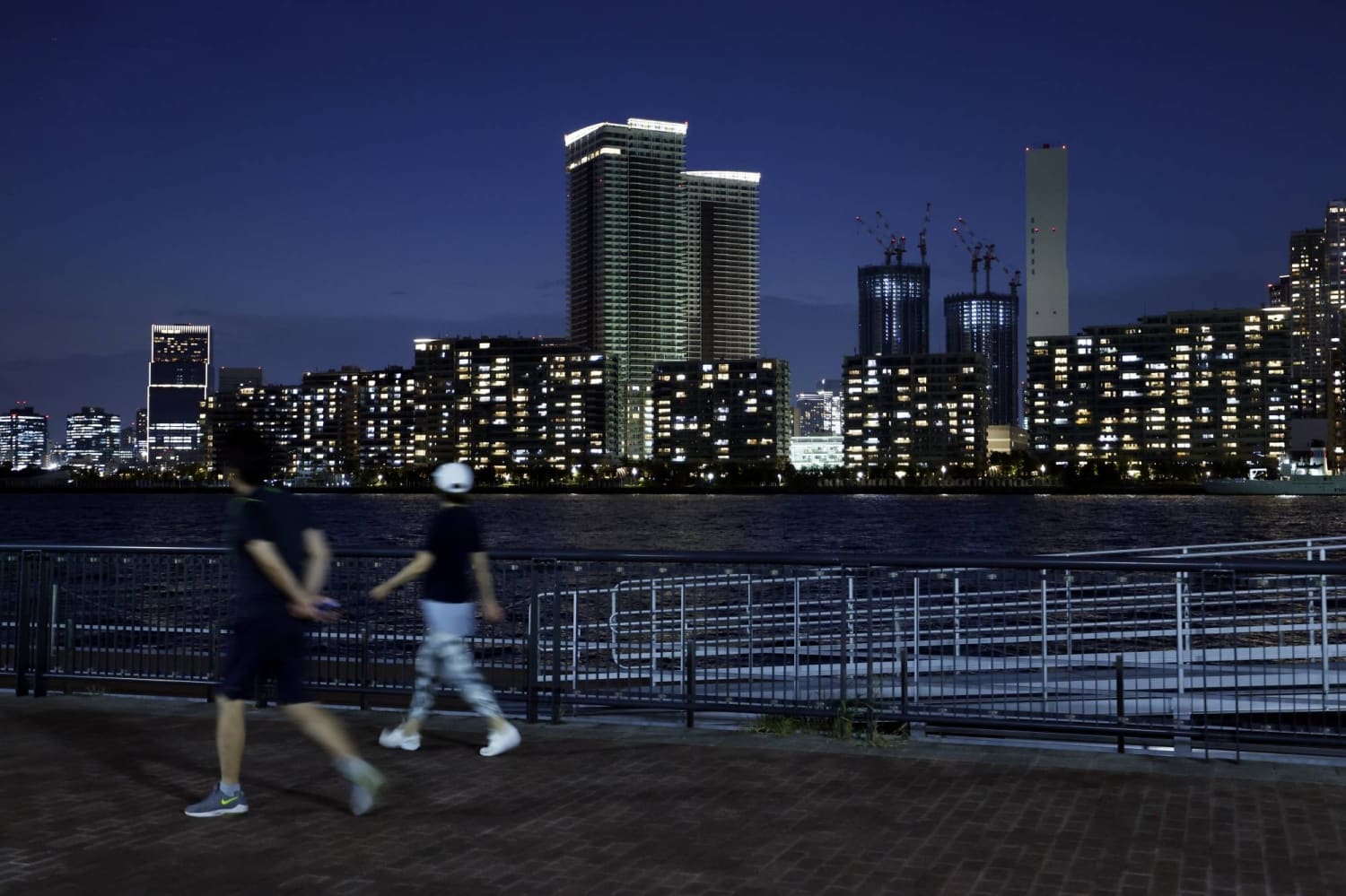
- ·New condominium prices in Tokyo's 23 wards climbed 9.1% to a record ¥142.49 million in the first half of 2026.
- ·Supply constraints, elevated construction costs, and foreign capital inflows continue to drive premiums in central Tokyo.
- ·Sustained price growth hinges on the Bank of Japan's rate policy and the pace of new housing supply in the capital.
Capital's Housing Market Defies Gravity
New condominium prices in Tokyo's core 23 wards reached an all-time high of ¥142.49 million in the first half of 2026, marking a 9.1% increase from the same period last year. The figure underscores the resilience of the capital's property sector even as Japan grapples with subdued wage growth and an aging demographic profile.
The surge places Tokyo among the world's most expensive residential markets, with the average new condo now exceeding US$950,000 at current exchange rates. For context, the median household income in Tokyo stands at roughly ¥6.5 million annually, meaning the average new condominium costs nearly 22 times the typical household's yearly earnings.
Supply Constraints Drive Premiums
Developers have struggled to keep pace with demand in central Tokyo, where land scarcity and zoning regulations limit the pipeline of new projects. Construction costs have also climbed steadily over the past three years, driven by higher material prices and labor shortages as the construction workforce ages.
The supply squeeze is most acute in the five central wards of Chiyoda, Chuo, Minato, Shibuya, and Shinjuku, where proximity to corporate headquarters and transport hubs commands a premium. Developers in these areas have increasingly focused on smaller-unit, higher-margin projects targeting affluent buyers and investors rather than families seeking larger floorplans.
Foreign Capital and Domestic Wealth
Overseas buyers, particularly from mainland China, Hong Kong, and Singapore, continue to view Tokyo real estate as a stable store of value amid regional geopolitical uncertainty. Japan's low mortgage rates and the yen's relative weakness against other Asian currencies have amplified the appeal for foreign capital.
Domestic demand remains robust as well, fueled by dual-income professional households and a generational wealth transfer underway as Japan's baby boomers downsize or pass assets to their children. Ultra-low interest rates, a legacy of the Bank of Japan's prolonged easing, have kept financing costs near historic lows, enabling buyers to stretch their budgets.
Broader Metropolitan Trends
While the 23 wards posted the steepest gains, surrounding prefectures in the greater Tokyo metropolitan area also recorded price increases, albeit at a more moderate pace. Kanagawa, Saitama, and Chiba saw average new condo prices rise between 4% and 6% in the first half, reflecting spillover demand from buyers priced out of central Tokyo.
The divergence highlights a bifurcated market: prime central locations continue to attract premium pricing, while suburban areas offer relative value but lack the cachet and convenience of inner-city addresses. Commute times and access to international schools remain decisive factors for expatriates and Japanese families alike.
Policy and Outlook
Tokyo's metropolitan government has explored measures to encourage housing supply, including relaxed building-height restrictions in select districts and incentives for redevelopment of aging apartment blocks. However, policy changes have been incremental, and industry observers expect supply constraints to persist for the foreseeable future.
Analysts note that sustained price growth depends on continued economic stability and the trajectory of interest rates. Should the Bank of Japan shift toward tightening, mortgage affordability could deteriorate rapidly, cooling demand. For now, though, the fundamentals of scarcity, low rates, and steady capital inflows suggest Tokyo's condo market will remain one of Asia's most dynamic and closely watched.
RELATED STORIES
Japanese Banks Pull Back from Mortgage Lending as Corporate Loans Return
Aiko Nakamura · 3 min

Japan Wage Growth Hits 29-Year High, Reinforcing Central Bank Rate Path
Aiko Nakamura · 3 min
Preferred Networks Eyes Public Listing to Scale AI Chip Production
Aiko Nakamura · 2 min
Yen Climbs to Eight-Month High as Rate Hike Expectations Shift Sentiment
Jun-ho Seo · 3 min
Spot something wrong? Email editor@briefasia.com. We log every correction publicly.