Travel & Dining · Destinations
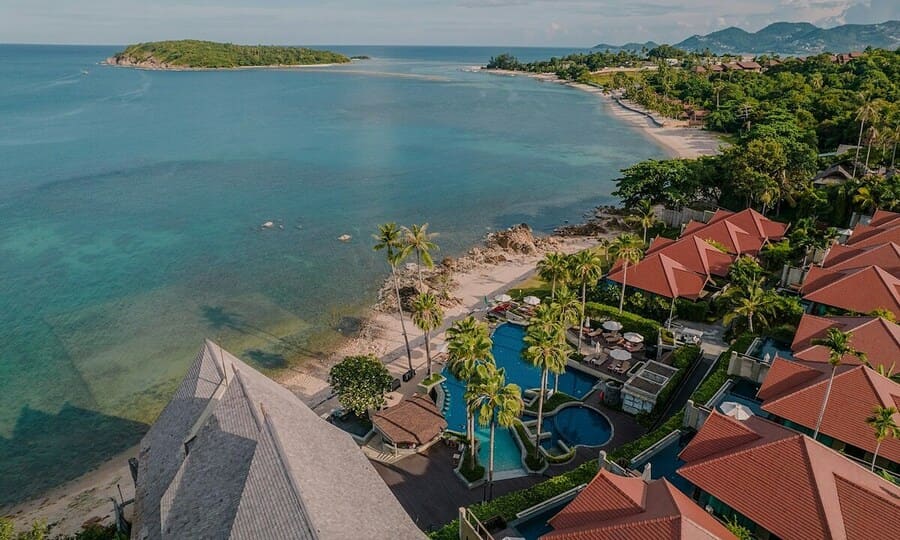
Thailand Advances $362 Million Cruise Terminal Project on Koh Samui
The new facility on the Gulf of Thailand island aims to handle up to 240 cruise ship calls annually, with operations targeted for 2032 as part of the kingdom's maritime tourism expansion.
KEY TAKEAWAYS
- ·Thailand's Transport Ministry is advancing a THB12.2 billion cruise terminal on Koh Samui, targeting completion in 2032 with capacity for 240 cruise calls annually.
- ·The facility is projected to generate THB46 billion in economic value over 30 years, with an economic return exceeding 15 percent.
- ·Cabinet approval is expected in 2027, followed by bidding in 2028, as Thailand competes with Vietnam and Malaysia for regional cruise traffic.
Infrastructure Push on Gulf Island
Thailand's Transport Ministry is advancing plans for a major cruise terminal on Koh Samui, the country's second-largest island after Phuket. The THB12.2 billion ($362 million) facility is designed to accommodate large cruise vessels and sits among 262 transport infrastructure projects slated for 2027, with collective investment reaching THB229.76 billion, according to the ministry.
The Marine Department will oversee the project, which targets enhanced maritime connectivity and expanded capacity for the country's growing cruise tourism sector. The terminal is under ministry review before submission to the transport minister for initial approval, followed by Cabinet consideration.
Timeline and Approvals
Deputy Transport Minister Sanphet Bunyamanee outlined a 2032 completion target in May. The ministry's preliminary schedule anticipates Cabinet sign-off in 2027, with the bidding process launching in 2028. Construction would follow shortly after, positioning the terminal to begin operations by the early 2030s under a 30-year operating period.
Land-use applications involving the Royal Forest Department and other agencies are being processed in parallel with the approval track. Preparations for these submissions remain underway.
Projected Capacity and Returns
Once operational, the terminal is expected to handle between 200,000 and 400,000 tourists annually across roughly 240 cruise ship calls each year. A feasibility study estimates the project will generate approximately THB46 billion in economic value over three decades, with an economic rate of return exceeding 15 percent.
The facility addresses a gap in infrastructure for larger cruise vessels visiting the Gulf of Thailand. Koh Samui lies about 700 kilometers south of Bangkok and draws visitors to its beaches, upscale resorts, and proximity to Mu Ko Ang Thong National Marine Park.
Regional Context
The project reflects broader efforts across Southeast Asia to capture a larger share of cruise tourism, an industry segment that has seen uneven recovery post-pandemic. Singapore, Vietnam, and Malaysia have all announced port upgrades or new terminals in recent years, positioning the region as an alternative to saturated Mediterranean and Caribbean routes.
Thailand's focus on Koh Samui leverages existing tourism infrastructure while diversifying arrival points beyond Phuket and Bangkok's Laem Chabang port. The island's airport handles both domestic and limited international flights, and the new terminal would offer cruise lines a mid-sized destination with established hospitality supply chains.
Investment and Execution Risks
The project's success hinges on sustained demand for Asian cruise itineraries and the ability to complete construction on schedule. Infrastructure projects in the region have faced delays tied to environmental reviews, land disputes, and funding gaps. The 30-year concession model suggests private-sector participation, though details on the tender structure have not been disclosed.
Economic returns will depend on cruise line commitments, port fees, and the terminal's ability to integrate with Koh Samui's existing tourism ecosystem. The island's appeal to cruise operators will be tested against competition from newer facilities in Vietnam's Ha Long Bay and Malaysia's Langkawi, both of which have announced expansions.
Thailand's Transport Ministry has not specified whether the terminal will include retail, customs, or extended berthing facilities, all of which influence a port's attractiveness to cruise operators planning multi-day stops. The Cabinet approval process in 2027 will likely clarify these design elements and funding mechanisms.
The timeline positions Thailand to enter service as global cruise capacity continues to expand, with several major lines taking delivery of new ships through the early 2030s. Whether Koh Samui can secure regular port calls from these vessels will determine the terminal's utilization and long-term financial performance.
RELATED STORIES
Thailand's $14 Tourist Levy Draws Industry Pushback Over Backpacker Impact
Siti Nuraini · 3 min
Thailand Targets 5 GW Rooftop Solar Push to Cut LNG Exposure
Priyanka V. Rao · 3 min

Mitsubishi Motors Brings Back Pajero SUV With Thailand Launch
Cheng Wei-Lun · 3 min
Thailand's AI Passport Program Stores All User Data Locally Under Privacy Law
Priyanka V. Rao · 3 min
Spot something wrong? Email editor@briefasia.com. We log every correction publicly.