Asia · Business
Singapore Car Permit Premiums Set to Climb Further as Supply Tightens
Industry leaders warn that Certificate of Entitlement prices will remain elevated through year-end as quota reductions outpace demand adjustments
KEY TAKEAWAYS
- ·Certificate of Entitlement premiums rose across all passenger car categories in Singapore's August 19 auction, with Category A increasing despite flat demand levels.
- ·Industry leaders attribute the price surge to reduced quota availability and longer processing times for returning de-registered permits to the market.
- ·Dealers expect premiums to remain elevated through the remainder of 2026 as structural supply shortages continue to outpace demand adjustments.
Premiums Rise Across All Categories
Singapore's Certificate of Entitlement premiums increased across all passenger car categories in the August 19 bidding round, marking the second auction of the month. The upward movement signals a structural shift in the city-state's vehicle quota system that industry participants expect to persist.
Nicholas Wong, chief executive officer at Kah Motor, an authorised Honda dealership, pointed to fundamental supply-demand imbalances. "COE premiums are not going to drop in the coming months, because the supply will continue to be in shortfall of demand," he said.
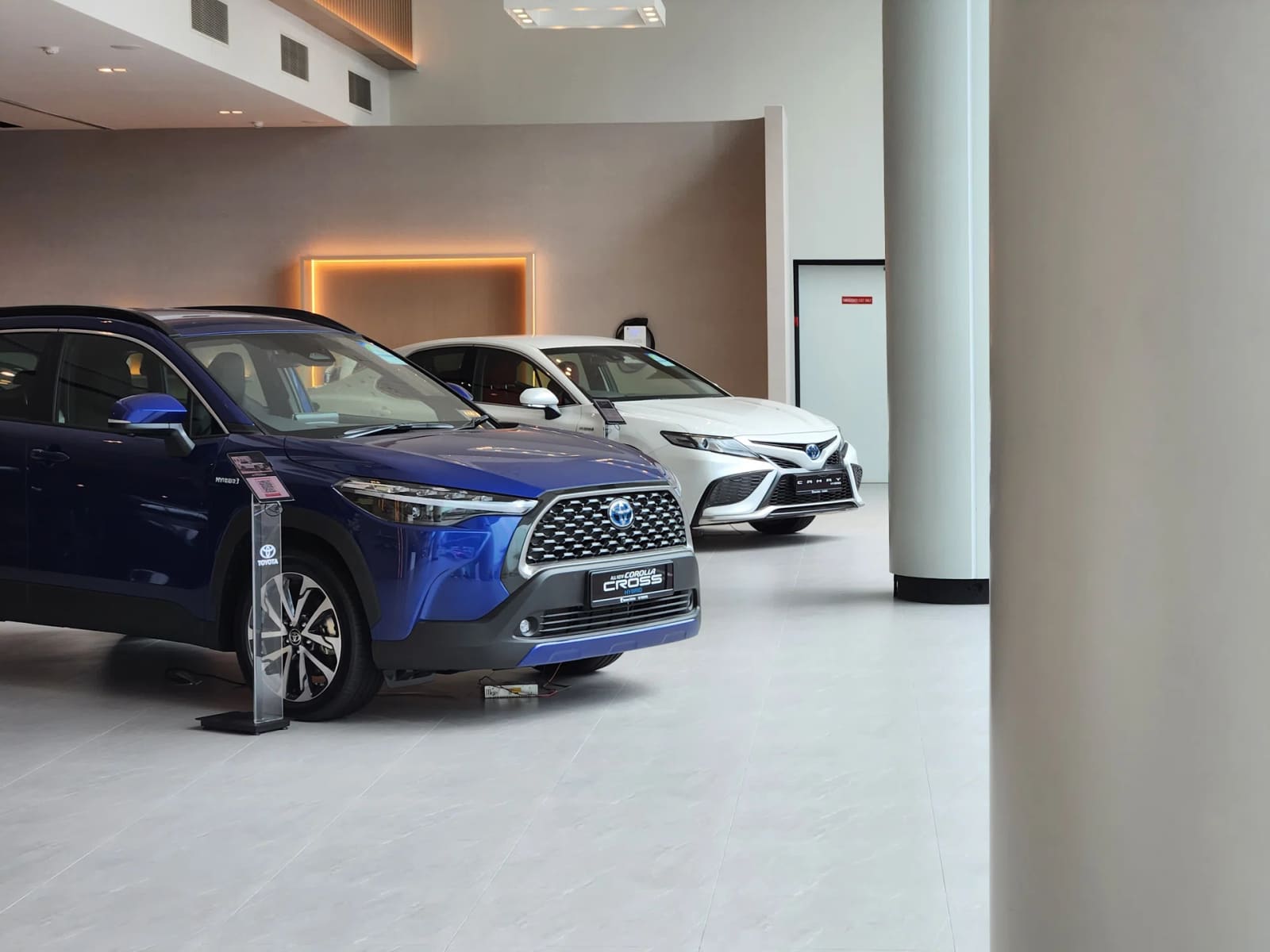
The auction results reflect immediate market pressures from reduced quota availability. Category A, which covers smaller passenger cars with engine capacity up to 1,600cc and maximum power output of 97 kilowatts, saw price increases despite flat demand levels. Dealers view this outcome as indicative of broader market conditions where supply constraints are the primary price driver rather than surging buyer interest.
Quota Mechanics Drive Price Pressure
Singapore's COE system operates on a fixed-quota basis, with the number of available permits determined by vehicle de-registrations and a small annual growth allowance. The current price escalation stems from two concurrent factors: a reduced overall quota and extended processing times for returning de-registered vehicle permits back into the available pool.
These administrative delays effectively shrink the active supply of permits available at each fortnightly auction, compressing the market even when underlying demand remains steady. The mismatch creates upward price pressure that industry observers believe will intensify before any equilibrium is reached.
The timing is particularly challenging for Singapore's automotive sector, which has already navigated several years of elevated COE prices. The city-state uses the permit system to manage vehicle population growth and control traffic congestion, with premiums fluctuating based on quota availability and buyer appetite.
Regional Context and Policy Implications
Singapore's approach to vehicle ownership stands in contrast to other major Asian cities that rely on taxation, parking restrictions, or road pricing to manage congestion. The COE system creates a transparent market mechanism but also generates significant volatility when supply adjustments occur.
For middle-income households in Singapore, the cost of vehicle ownership has become increasingly prohibitive. A Category A COE alone can exceed S$50,000 during peak periods, before accounting for the actual vehicle price, taxes, insurance, and maintenance. This pricing dynamic effectively restricts private vehicle ownership to higher-income segments and creates ripple effects across the broader economy, from car financing to related services.
The current supply tightening arrives as the Land Transport Authority continues to calibrate quota levels in line with long-term vehicle population targets. While the agency has not announced specific policy changes, the structural reduction in available permits suggests a deliberate effort to moderate vehicle growth rates.
Market Outlook Through Year-End
Industry participants are preparing for sustained elevated premiums through the remainder of 2026. The combination of constrained supply and sticky demand creates conditions where prices are unlikely to retreat meaningfully without either a quota increase or a significant drop in buyer interest.
Dealerships are adjusting their sales strategies accordingly, with some shifting focus toward higher-margin models that can absorb the premium costs more easily. Others are exploring alternative revenue streams, including after-sales services and certified pre-owned vehicle programmes, to offset pressure on new car sales.
The premium increases also affect fleet operators, including ride-hailing platforms and corporate vehicle programmes, which must factor higher acquisition costs into their operational planning. For these buyers, the elevated COE environment may accelerate transitions to alternative mobility solutions or shift investment timelines.
Singapore's automotive market remains one of the most regulated in Asia, with the COE system serving as the primary supply control mechanism. The current price trajectory underscores how sensitive the market is to quota adjustments, and how quickly supply constraints translate into cost increases for consumers and businesses alike.
RELATED STORIES
Singapore's GDP Surge Masks a Widening Productivity Divide
Lim Hui Ying · 3 min
Japan Home Shutters Singapore Stores as Valu$ Expands Footprint
Priyanka V. Rao · 3 min

Energy Infrastructure Deals Climb in Southeast Asia Amid AI Demand and Security Concerns
Cheng Wei-Lun · 4 min
Singapore Economists Lift 2026 Export Forecasts as Electronics Demand Holds
Priyanka V. Rao · 3 min
Spot something wrong? Email editor@briefasia.com. We log every correction publicly.