Finance · Deals
Shein Targets Lower Hong Kong IPO Price After Regulatory Hurdles and Sales Slowdown
The fast-fashion retailer now seeks a $30-40 billion valuation, down sharply from its 2022 peak as US tariff changes and quarterly losses reshape its market positioning
KEY TAKEAWAYS
- ·Shein is targeting a $30 billion to $40 billion valuation for its Hong Kong IPO, down as much as 70 percent from its $98.2 billion peak in 2022.
- ·The retailer reported a $99 million quarterly loss driven by slowing US sales after Washington ended a duty-free import exemption on small packages.
- ·China's securities regulator approved the listing in July after Shein abandoned earlier plans for New York and London debuts amid regulatory scrutiny.
Valuation Markdown Reflects Market Reality
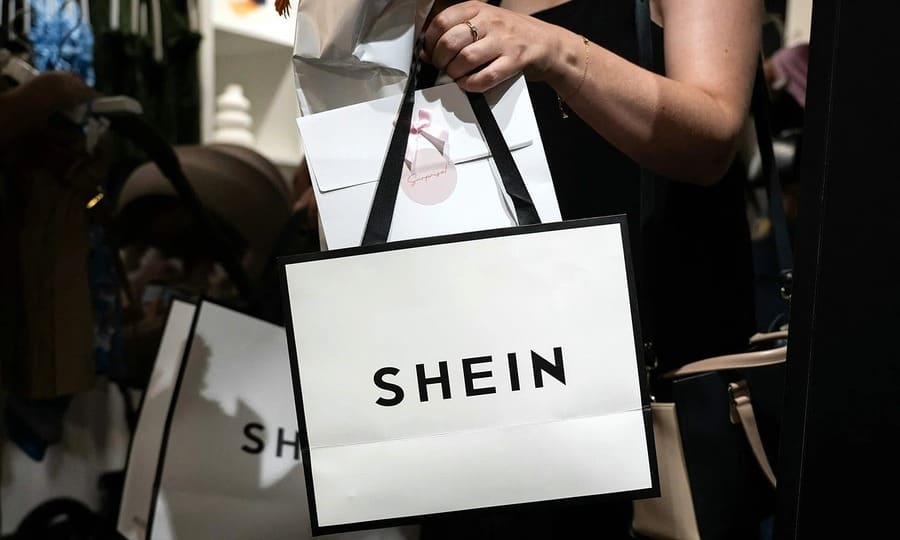
The Singapore-based online fashion retailer Shein has set a valuation range of $30 billion to $40 billion for its upcoming Hong Kong initial public offering, according to three people with direct knowledge of the transaction. The company began pre-deal investor presentations last week and is preparing to launch the offering as early as mid-August, though the timeline remains subject to change based on investor feedback.
The revised valuation target represents a dramatic reduction from Shein's previous private market pricing. In 2022, the company commanded a $98.2 billion valuation during a fundraising round. Subsequent capital raises in 2023 and April 2024 valued the business at $64 billion. The current IPO range implies a markdown of roughly 60 to 70 percent from the 2022 peak, signaling a shift in investor appetite for high-growth consumer internet companies operating across multiple regulatory jurisdictions.
Shein has not publicly confirmed the offer size, share price range, or final listing date. The people familiar with the matter requested anonymity because the details have not been formally announced. The company's investor roadshow is expected to continue through mid-August, with pricing and allocation decisions to follow.
Regulatory Approval Clears Path After Earlier Setbacks
The Hong Kong listing gained critical momentum on July 10, when the China Securities Regulatory Commission granted approval for Shein to proceed. That clearance came after the retailer abandoned earlier attempts to go public in New York and London, where it faced scrutiny over supply chain practices, labor standards, and cross-border data flows.
China's regulatory nod is particularly significant for companies with operational roots in the mainland but domiciled elsewhere. Shein was founded in China and maintains a substantial portion of its supplier network there, even as its corporate headquarters are now in Singapore. The dual approval requirement has become a standard hurdle for Chinese-linked firms seeking offshore listings since Beijing tightened oversight of data and foreign capital access in 2021.
By opting for Hong Kong, Shein sidesteps some of the political and disclosure friction that derailed its US listing plans. The city's exchange has positioned itself as a bridge market for Chinese enterprises seeking international capital while satisfying Beijing's regulatory demands. For Shein, the trade-off is access to a smaller pool of capital and potentially lower valuations than what a New York debut might have delivered in more favorable conditions.
US Tariff Policy Hits Quarterly Performance
Shein's financial performance has deteriorated in recent quarters, adding pressure to the IPO pricing discussion. The company reported a $99 million loss for the most recent quarter, a reversal from earlier profitability. Two factors drove the red ink: a sharp slowdown in sales growth and a one-time accounting charge that weighed on results.
The sales deceleration stems in large part from a change in US trade policy. Washington removed a longstanding exemption that allowed packages valued under $800 to enter the country duty-free. That exemption had been a cornerstone of Shein's business model, enabling the company to ship individual orders directly from Chinese warehouses to American consumers without incurring customs fees. The policy shift, implemented earlier this year, has forced Shein to either absorb the new tariffs or pass costs on to price-sensitive shoppers.
The impact has been measurable. Shein's US revenue growth, which had been running at double-digit rates, slowed markedly in the second quarter. The company has responded by opening fulfillment centers in the United States and diversifying its supplier base to include factories in Southeast Asia and Latin America. Those moves add operational complexity and upfront capital expenditure, compressing margins in the near term.
Competitive Pressure and Market Saturation
Beyond tariff headwinds, Shein faces intensifying competition from both established retailers and emerging fast-fashion platforms. Traditional apparel chains have accelerated their own digital transformation efforts, compressing delivery times and expanding online assortments. At the same time, newer entrants from Southeast Asia and Latin America are replicating Shein's playbook: low prices, rapid inventory turnover, and aggressive social media marketing.
Market saturation in key geographies is another concern for prospective IPO investors. Shein's customer acquisition costs have risen as it exhausts its most responsive audience segments. The company has expanded into beauty, home goods, and accessories to sustain growth, but those categories carry different margin profiles and require distinct supply chain capabilities.
In Europe, regulatory scrutiny around environmental impact and labor practices has also mounted. The European Union is considering legislation that would impose stricter disclosure requirements on fast-fashion brands, potentially increasing compliance costs and limiting Shein's ability to operate at the same speed and price point that fueled its early expansion.
Hong Kong IPO Pipeline and Investor Appetite
Shein's listing will be a test case for Hong Kong's ability to attract large-cap technology and consumer companies at a time when the city's IPO market has struggled. Fundraising volumes in Hong Kong have declined for three consecutive years, weighed down by weak secondary market performance, geopolitical uncertainty, and a preference among Chinese firms for domestic A-share listings.
A successful Shein debut could revive momentum for other overseas-domiciled Chinese companies weighing Hong Kong as a listing venue. Conversely, a tepid reception or further valuation cuts during the roadshow would reinforce concerns that the city has lost its edge as a capital formation hub for high-growth enterprises.
Institutional investors in Asia are watching the deal closely. Sovereign wealth funds, pension managers, and family offices that sat out the 2022 and 2023 private rounds are now assessing whether the lower entry price compensates for the structural challenges Shein faces. The IPO will also serve as a barometer for how the market values cross-border e-commerce models in an era of rising protectionism and tighter regulatory oversight.
What Comes Next
Shein's management team is expected to spend the next two weeks meeting with anchor investors in Singapore, Hong Kong, and select Middle Eastern financial centers. The company has engaged a syndicate of international banks to underwrite the offering, including institutions with strong distribution networks in Asia and the Gulf. Final pricing is likely to be announced in late August, with trading to commence shortly thereafter.
The outcome will hinge on whether Shein can convince investors that its growth story remains intact despite near-term headwinds. The company's scale, brand recognition, and logistics infrastructure are strengths. Its exposure to US trade policy, regulatory risk in Europe, and margin pressure from competition are vulnerabilities. The $30 billion to $40 billion valuation range suggests the market is still willing to pay a premium for Shein's platform, but at a level that reflects a more sober assessment of the risks ahead.
RELATED STORIES

Franklin Templeton Restructures Leadership With Two Senior Appointments
Priyanka V. Rao · 4 min

Two European Banks Lock Radiant World Accounts as Iron Ore Trader Faces Widening Freeze
Cheng Wei-Lun · 3 min
Singapore Banks Hit Record Highs on Wealth Management Surge
Priyanka V. Rao · 2 min
Allianz Acquires HSBC Singapore Insurance Operations in $2.3 Billion Deal
Priyanka V. Rao · 3 min
Spot something wrong? Email editor@briefasia.com. We log every correction publicly.