Technology · Products
Sharp Sets ¥300 Billion Revenue Target for New Business Lines
The Japanese electronics maker is banking on emerging ventures to drive growth as it pivots beyond traditional consumer products toward fiscal 2030
KEY TAKEAWAYS
- ·Sharp announced a target of ¥300 billion in sales from new business segments by fiscal 2030, pivoting away from traditional consumer electronics.
- ·The goal reflects broader restructuring across Asia's electronics sector, where firms like LG and Foxconn-backed Sharp are repositioning toward industrial and B2B markets.
- ·Execution risk remains high as Sharp must scale emerging ventures or launch new categories within four years amid supply-chain volatility and uneven global demand.
Pivot Beyond Legacy Products
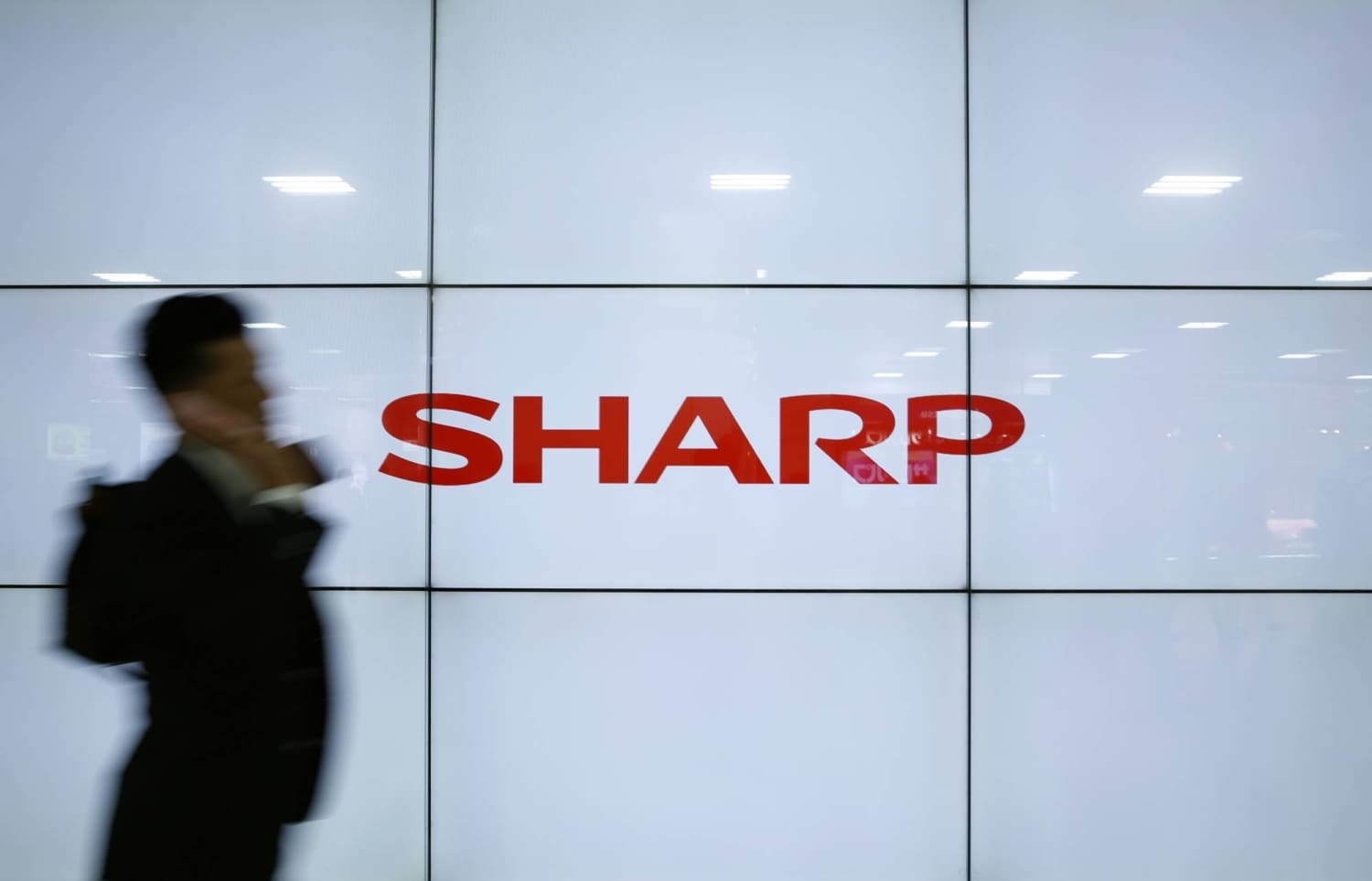
Sharp has set a target of ¥300 billion in sales from new business segments by fiscal 2030, the company announced. The goal represents a strategic recalibration for the Osaka-based electronics manufacturer as it seeks growth channels outside its traditional consumer electronics portfolio.
The target comes at a time when Japanese tech firms are under pressure to diversify revenue streams amid saturated domestic markets and intensifying competition from Korean and Chinese rivals. Sharp's move signals an acknowledgment that legacy product lines - once dominated by televisions and home appliances - can no longer shoulder the company's growth ambitions alone.
What Counts as New Business
While Sharp has not disclosed granular breakdowns of which ventures will contribute to the ¥300 billion figure, the company has been investing in areas including industrial displays, automotive components, and health-related devices over the past several years. These segments sit outside Sharp's historic consumer electronics core and are seen as higher-margin opportunities with stronger B2B demand.
The fiscal 2030 horizon gives Sharp roughly four years to build out these operations from their current nascent state. That timeline is aggressive but not unprecedented among Japanese manufacturers pursuing portfolio transformation. Hitachi, for example, spent the better part of a decade unwinding consumer businesses and pivoting toward infrastructure and IT services.
Asia's Electronics Reshuffling
Sharp's announcement fits into a broader pattern across Asia's electronics industry, where incumbents are racing to reposition themselves. South Korea's LG exited smartphones entirely to focus on EV components and home appliances. Taiwan's Foxconn, which acquired a controlling stake in Sharp in 2016, has been steering the company toward contract manufacturing and industrial solutions rather than consumer brand-building.
The Foxconn tie-up has given Sharp access to supply-chain scale and manufacturing efficiency, but it has also shifted the company's identity. Sharp now operates less as a standalone brand and more as a platform for Foxconn's broader ambitions in displays, sensors, and smart devices. The ¥300 billion target likely reflects Foxconn's expectations for return on that investment.
Execution Risk and Market Headwinds
Reaching ¥300 billion in new business sales will require Sharp to either launch entirely new product categories or dramatically scale existing pilots. Both paths carry execution risk. New product launches demand R&D investment, market validation, and distribution buildout - all of which take time and capital. Scaling pilots, meanwhile, requires operational discipline and customer acquisition at rates Sharp has not historically demonstrated.
External conditions add another layer of uncertainty. Global demand for electronics components has been uneven, with automotive and industrial segments showing resilience but consumer-facing categories remaining soft. Sharp will need to navigate semiconductor supply constraints, currency volatility, and shifting trade policies across its key markets in Asia, North America, and Europe.
What Comes Next
Sharp's fiscal 2030 target is a statement of intent, but investors will be watching for interim milestones. The company has not yet outlined annual revenue targets or specified which new businesses will receive the bulk of capital allocation. Transparency on those fronts will be critical to maintaining stakeholder confidence as Sharp moves further from its consumer electronics roots.
For now, the ¥300 billion figure serves as a benchmark against which Sharp's strategic pivot will be measured. Whether the company can deliver on that ambition will depend on execution, market conditions, and the depth of support from its Foxconn parent.
RELATED STORIES

Preferred Networks Eyes Public Listing to Scale AI Chip Production
Aiko Nakamura · 2 min

Fujitsu to Exit Commodity Hardware as AI Shifts Production Strategy
Aiko Nakamura · 4 min
Honda and Nissan Form Alliance to Develop Software-Defined Vehicle Platforms
Aiko Nakamura · 3 min
Honda and Nissan Align on Software-Defined Vehicle Development
Cheng Wei-Lun · 2 min
Spot something wrong? Email editor@briefasia.com. We log every correction publicly.