Finance · Fintech
RCBC Goes Live on Philippines Direct Debit System
The bank joins three other lenders in the first wave of a central bank-backed platform that lets businesses pull recurring payments across institutions.
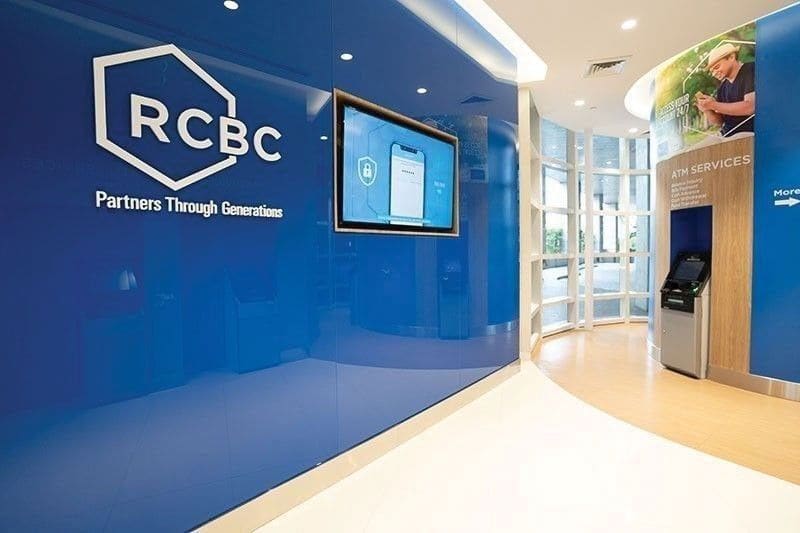
KEY TAKEAWAYS
- ·Rizal Commercial Banking Corp. activated Direct Debit PH, joining BDO, BPI, and China Bank in the first wave of a Bangko Sentral-backed interoperable recurring payment system.
- ·The platform allows businesses to collect recurring payments from customers across different banks using a single mandate, replacing post-dated checks and institution-specific auto-debit arrangements.
- ·Around 26 banks are testing or preparing to join, with the industry targeting participation from more than 120 PESONet members within one to two years.
First Wave of Direct Debit Adoption
Rizal Commercial Banking Corp. has become operational on Direct Debit PH, joining an initial cohort of four universal banks offering the central bank-backed platform that allows businesses to collect recurring payments from customers across different financial institutions.
The facility removes a friction point that has long plagued corporate treasurers in the Philippines: maintaining separate auto-debit arrangements with multiple banks to cover customers who hold accounts at different institutions. Direct Debit PH creates a single mandate system that works regardless of where the biller and the payer bank.
RCBC activated the service through a direct system-to-system link, enabling recurring payment instructions to flow automatically once a customer authorizes a mandate. Martin Tirol, who heads the bank's transaction banking group, described the move as part of a broader effort to position RCBC as a payments ecosystem builder connecting businesses, consumers, and financial institutions.
How the Mandate System Works
Under Direct Debit PH, a customer provides one-time authorization for a biller to pull funds from their bank or e-wallet account on an agreed schedule. The customer retains control over the arrangement and can cancel or update the mandate at any time.
Use cases span utility bills, loan amortizations, insurance premiums, subscriptions, and installment payments. Once the mandate is in place, payments execute automatically on schedule without requiring manual intervention from either party.
The service is free for consumers. Billers absorb the transaction cost, a design choice intended to accelerate adoption by removing barriers for individual users.
Broader Industry Rollout
RCBC joins BDO Unibank, Bank of the Philippine Islands, and China Banking Corp. in the first wave of banks to go live. The Bangko Sentral ng Pilipinas launched the facility in July, with sixteen additional banks developing their participation at that time, including Metropolitan Bank and Trust Co. and Security Bank Corp.
Industry officials have said that around 26 banks were already testing or preparing to join the system. The long-term plan calls for requiring participation from more than 120 PESONet members within the next one to two years, though no firm timeline has been published.
Foreign banks have also expressed interest, though no names have been disclosed. The breadth of eventual participation will determine how useful the system becomes for billers with customer bases spread across many institutions.
Replacing Post-Dated Checks
Direct Debit PH is designed as an interoperable alternative to post-dated checks and traditional auto-debit arrangements. Post-dated checks remain common in the Philippines for recurring obligations, but they create operational overhead for both businesses and banks. Traditional auto-debit setups, meanwhile, require the biller and payer to hold accounts at the same institution, forcing companies to maintain multiple banking relationships solely for collections.
The new platform decouples that requirement. A business banking with RCBC can now collect from a customer banking with BPI, or vice versa, using a single mandate and a single connection.
RCBC said the facility complements its corporate cash management services, which cover collections, payments, and liquidity management. As businesses automate more financial operations, demand for seamless recurring payment infrastructure has grown, particularly among subscription-based and installment-heavy sectors.
What Happens Next
The success of Direct Debit PH hinges on how quickly the remaining PESONet members join and how aggressively billers promote mandate sign-ups to their customers. Network effects matter: the platform becomes more valuable to billers as more banks participate, and more valuable to banks as more billers adopt it.
The Bangko Sentral has not announced penalties or deadlines for non-participating banks, but the regulator's backing and the involvement of the country's largest lenders create strong incentives for smaller institutions to follow. For RCBC, early activation offers a window to capture corporate clients looking to modernize their collections infrastructure before the market becomes crowded.
RELATED STORIES
Security Bank Posts 4% Profit Growth to ₱6.08 Billion in First Half
Priyanka V. Rao · 3 min

Lopez Group Rejects KKR Stake Offer in First Gen
Priyanka V. Rao · 3 min

DoubleDragon Core Earnings Jump 162% as Property Portfolio Matures
Priyanka V. Rao · 4 min

Philippine Banks Pull Back on Lending as Growth Risks Mount
Priyanka V. Rao · 3 min
Spot something wrong? Email editor@briefasia.com. We log every correction publicly.