Asia · Trade
Philippines Secures Second-Largest US Sugar Quota for Fourth Year
Manila receives 145,235-ton allocation as Washington maintains tariff-rate access for raw cane exports through September 2027
KEY TAKEAWAYS
- ·The Philippines received a 145,235 metric ton raw sugar export quota to the US for fiscal 2027, the second-largest allocation after the Dominican Republic's 189,343 tons.
- ·Manila authorized 100,000 metric tons of sugar exports this year to reduce stockpiles and support farmgate prices after domestic production fell 11.11 percent to 1.85 million metric tons.
- ·The Sugar Regulatory Administration shifted the planting calendar to October 2026 through September 2027 to allow longer maturation and higher sugar content without expanding acreage.
Allocation Holds Steady
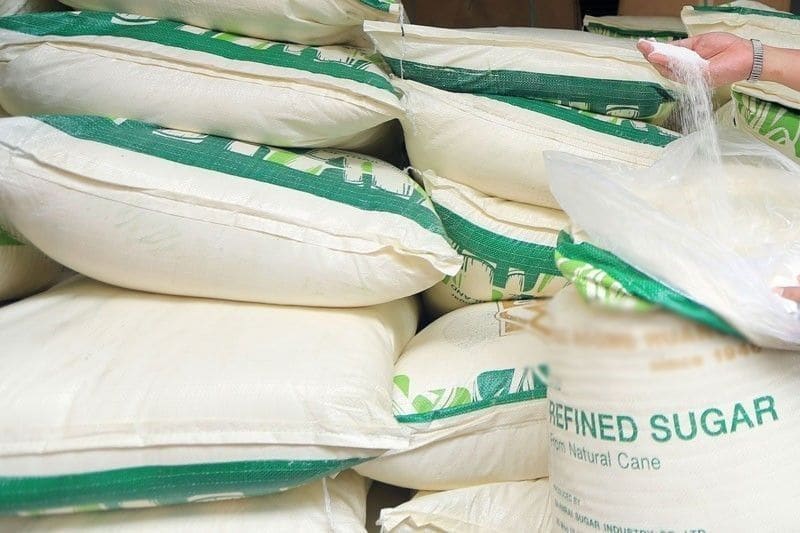
The Philippines will ship 145,235 metric tons raw value of cane sugar to the United States under preferential tariff rates for the fourth consecutive year, according to the Office of the US Trade Representative. The allocation for fiscal 2027, running from October 1, 2026 through September 20, 2027, places Manila behind only the Dominican Republic, which received 189,343 metric tons. Brazil took third position with 100,000 metric tons.
The tariff-rate quota system allows designated countries to export specified volumes at reduced duty rates, offering Philippine producers better margins than open-market shipments. The arrangement has become increasingly valuable as Manila works to clear domestic surpluses that have pressured farmgate prices over the past year.
Export Push Accelerates
The Department of Agriculture authorized exports of 100,000 metric tons of locally produced raw sugar to the US this year, aiming to lift prices for growers and draw down excess inventory. Actual shipments reached 66,085 metric tons in 2025, a sharp increase from the 24,179 metric tons exported in 2024. The government sought the reallocation from Washington specifically to manage stockpile levels and stabilize the domestic market.
The uptick in exports marks a reversal from the 2021-2022 and 2022-2023 crop years, when the Philippines declined to fill its US quota due to insufficient domestic production. That period of scarcity has given way to oversupply, driven in part by improved yields before the recent decline.
Production Slide
Domestic raw sugar production fell 11.11 percent during the 2025-2026 crop year, with harvest totaling 1.85 million metric tons as of July 5, according to the Sugar Regulatory Administration. The decline has prompted the regulator to adjust the planting calendar, shifting the cycle to begin October 1, 2026 and run through September 30, 2027.
The revised schedule is designed to allow sugarcane to mature longer and accumulate higher sugar content without expanding planted acreage. Industry officials view the calendar shift as a productivity lever that avoids the land-use and capital demands of area expansion, particularly as farmers face tighter credit conditions and volatile input costs.
Regional Context
The US quota system remains a fixture of Philippine agricultural trade, though its relative importance has diminished as Manila diversifies export markets across Asia. Indonesia, Thailand, and Vietnam have absorbed growing volumes of Philippine raw and refined sugar over the past three years, reducing reliance on the US allocation even as the quota itself provides a price floor for premium shipments.
Neighboring Thailand, Southeast Asia's largest sugar exporter, ships the majority of its output to Indonesia and other ASEAN markets, leaving the US quota as a secondary channel. The Philippines occupies a middle position, balancing domestic consumption needs with selective export opportunities that support producer incomes without triggering shortages.
The Dominican Republic's larger allocation reflects its longer-standing trade ties and higher production consistency, while Brazil's quota represents a fraction of its global export volume. For the Philippines, the 145,235-ton allocation functions less as a strategic export target and more as a market stabilization tool, offering an outlet when domestic supply exceeds demand.
Price Dynamics
Farmgate prices for raw sugar have fluctuated sharply over the past two crop years, rising during the 2021-2023 shortage period before softening as production recovered. The export authorization aims to support grower returns by removing surplus volumes that would otherwise depress local prices, though the effect depends on execution speed and shipping logistics.
The Sugar Regulatory Administration's calendar adjustment adds another variable, as the longer maturation period could lift per-hectare yields and offset the recent production decline. If successful, the strategy would allow the Philippines to maintain export eligibility while meeting domestic demand, a balance that has proven difficult to sustain across multiple crop cycles.
The US allocation arrives as Philippine sugar faces headwinds from lower production and shifting consumption patterns. Refined sugar demand has held relatively stable, but raw sugar inventories have accumulated faster than the domestic milling sector can process, creating the oversupply that prompted the export push. The tariff-rate quota offers a partial solution, though the 145,235-ton allocation covers only a fraction of the surplus.
Washington's allocation decisions reflect both historical trade relationships and current production capacity among recipient countries. The Philippines has maintained its second-place ranking through consistent engagement with US trade officials and reliable fulfillment of past quotas, even as production volatility has occasionally forced the country to skip shipments. The fourth consecutive year of identical allocation signals stable expectations on both sides, with Manila viewed as a dependable supplier within its quota band.
RELATED STORIES

Philippine Water Operator Earmarks $400 Million for Southeast Asia Expansion
Mariel D. Santos · 2 min
Philippine Manufacturing Expands at Fastest Pace Since 2016
Priyanka V. Rao · 3 min

Philippine Economic Zones Pull Record ₱216 Billion in Eight Months
Priyanka V. Rao · 3 min

Philippines Energy Budget Climbs 26% as Electric Vehicle Funding Surges
Priyanka V. Rao · 3 min
Spot something wrong? Email editor@briefasia.com. We log every correction publicly.