Asia · Trade
Philippines Pushes Fish Import Decision to October as Supply Stabilizes
Agriculture officials defer 250,000-ton shipment originally scheduled for August, citing extended fishing season from El Niño weather patterns
KEY TAKEAWAYS
- ·The Philippines has postponed authorization for 250,000 metric tons of fish imports from August to October or November, citing stable domestic supply from an extended fishing season driven by El Niño conditions.
- ·The approved import allocation reserves 80 percent for commercial operators and 20 percent for cooperatives, with 10,000 tons earmarked for the government's Kadiwa direct-sales program.
- ·Manila enforces an annual fishing moratorium from November to February to protect spawning stocks, and the revised import timing aligns shipments more closely with that closure period.
Import Window Shifts Three Months
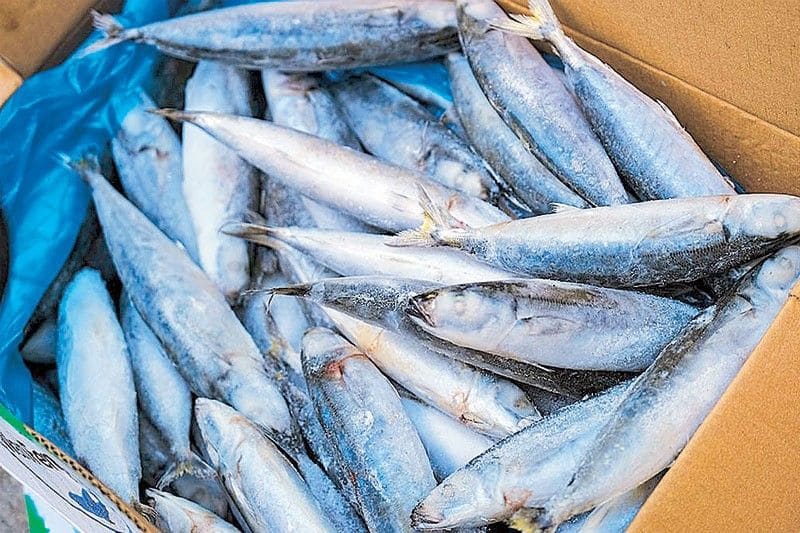
The Philippines will defer authorization for 250,000 metric tons of fish imports until October or November, pushing back an entry originally planned for August. Agriculture Secretary Francisco Tiu Laurel Jr. attributed the delay to stable domestic supply driven by prolonged dry weather.
"The importation will be triggered during the closed fishing season, probably by October or November," Laurel told reporters. "As of the moment, the price of seafood remains stable."
El Niño conditions have extended the local fishing season beyond typical patterns, keeping harvest volumes elevated and market prices in check. The Department of Agriculture issued a Certificate of Necessity to Import in March that approved the 250,000-ton allocation, anticipating the need to buffer stocks during the annual spawning ban.
Allocation Framework in Place
Under guidelines set by Department Circular No. 12, commercial operators will receive 80 percent of the import quota, with the remaining 20 percent reserved for cooperatives and fishing associations. A separate allocation of 10,000 metric tons will support the government's Kadiwa direct-sales program.
The approved species list spans more than 60 varieties, including crab, lobster, prawn, shrimp, clams, mussels, octopus, oyster, scallops, sea urchin, and squid. White-fish entries cover Alaskan pollock, anchovies, cod, grouper, haddock, mackerel, salmon, sardines, scad, sea bass, snapper, tuna, and yellowfin sole, among others.
Manila enforces a fishing moratorium from November through February each year to allow spawning stocks to recover. Import volumes typically rise during that window to meet consumption demand while local fleets remain in port.
Regional Context and Timing
The decision reflects a broader balancing act across Southeast Asia, where governments juggle food security, livelihood protection for small-scale fishers, and environmental sustainability. Indonesia and Vietnam have also adjusted import policies in recent years in response to fluctuating catch volumes and climate variability.
Philippines seafood consumption runs at approximately 40 kilograms per capita annually, one of the highest rates in the region. Domestic production supplies the majority of that demand, but seasonal closures and weather shocks periodically tighten availability and push up retail prices.
The March certificate anticipated those pressures, but the extended dry spell has kept boats at sea longer than usual. Laurel's comments suggest the agency will monitor price trends and stock levels through September before finalizing import timing.
Commercial importers and cooperatives are now adjusting procurement schedules to align with the revised timeline. The three-month shift gives domestic fleets additional weeks to supply the market before international shipments arrive, a development welcomed by local fishing groups that have pressed officials to prioritize homegrown catch when conditions allow.
What Comes Next
The Department of Agriculture will continue to track seafood prices and inventory levels at major wholesale markets in Metro Manila and regional centers. If prices spike or supply tightens unexpectedly, officials retain the option to accelerate import approvals.
The annual spawning closure remains on schedule for November, and the 250,000-ton import authorization stays in effect regardless of the entry date. The revised timing aligns the shipment window more closely with the period of tightest domestic supply, potentially improving price stability during the peak holiday consumption season that follows the closure.
Fishing associations and commercial operators are expected to finalize import contracts in the coming weeks, securing supply agreements with exporters in markets including China, India, and South America. The government's Kadiwa allocation will prioritize distribution to underserved communities and areas with limited access to fresh seafood.
RELATED STORIES

Philippine Water Operator Earmarks $400 Million for Southeast Asia Expansion
Mariel D. Santos · 2 min
Philippine Economic Zones Pull Record ₱216 Billion in Eight Months
Priyanka V. Rao · 3 min

Philippines Energy Budget Climbs 26% as Electric Vehicle Funding Surges
Priyanka V. Rao · 3 min

Philippine Nickel Miners Push for Unified Policy Framework as Critical Minerals Race Intensifies
Priyanka V. Rao · 3 min
Spot something wrong? Email editor@briefasia.com. We log every correction publicly.