Sustainability · Energy
Philippines Proposes Renewable Energy Charge Increase for 2027
National Transmission Corp. seeks to raise feed-in tariff allowance to P0.2154 per kWh, adding pressure to households already facing Southeast Asia's highest electricity rates
KEY TAKEAWAYS
- ·The National Transmission Corp. filed to raise the Philippines' feed-in tariff allowance to P0.2154 per kilowatt-hour for 2027, up from P0.2011 per kWh currently.
- ·The transmission operator warned that rejecting the increase could create a fund shortfall, delaying payments to renewable energy developers and triggering interest charges passed to consumers.
- ·The proposal comes as the Philippines records Southeast Asia's highest residential electricity rate at P12.43 per kWh, with households already under pressure from an ongoing energy emergency.
Tariff Hike on the Table
Filipino electricity consumers may see higher renewable energy charges on their monthly bills as the National Transmission Corp. has filed for an increase in the feed-in tariff allowance for 2027. The government-owned transmission operator submitted a proposal to the Energy Regulatory Commission requesting approval for a rate of P0.2154 per kilowatt-hour, up from the current P0.2011 per kWh.
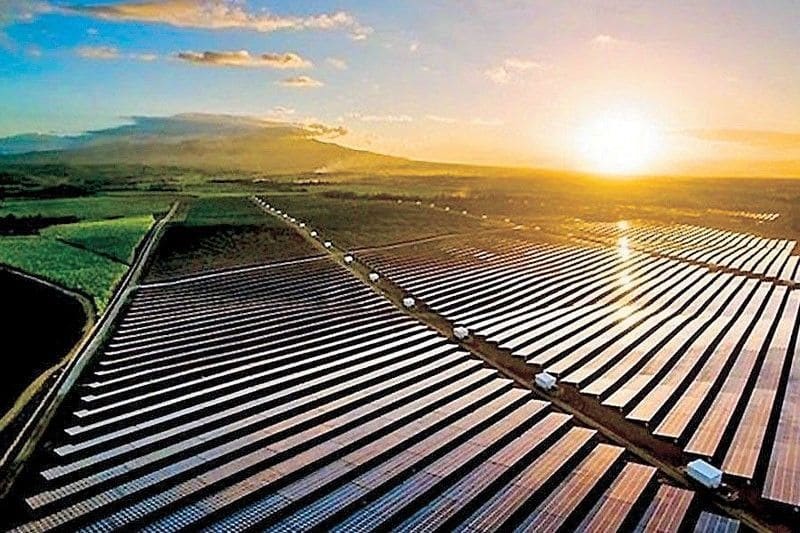
The proposed increase would add approximately P7.15 to the monthly bill of a household consuming 500 kWh, bringing the FIT-All charge alone to P107.70. The feed-in tariff allowance is a uniform levy applied to all on-grid electricity consumers across the Philippines, designed to fund guaranteed payments to eligible renewable power plants including solar, wind, and small hydroelectric facilities. Qualified projects receive the incentive for up to two decades.
Fund Shortfall Warning
TransCo justified the increase by citing the need for a provisional authority to maintain timely payments to renewable energy developers. The agency warned that without approval of the proposed rate, the FIT-All Fund could face a deficit that would disrupt scheduled payments to qualified projects.
The transmission operator emphasized that delayed or partial payments would trigger interest charges, ultimately resulting in additional costs passed on to end-users. As the administrator of the FIT-All Fund, TransCo is mandated to calculate and propose the annual FIT-All rate for the following year.
The timing of the proposal comes as the collection of the green energy auction allowance, another charge supporting clean energy projects, remains suspended until next month. The regulatory commission has indicated it cannot extend similar relief to the FIT-All charge, pointing to insufficient buffer reserves in the fund to suspend collections without jeopardizing developer payments.
Pressure on Already-Strained Households
The proposed rate increase arrives at a challenging moment for Filipino consumers. In June, the Philippines recorded an average residential electricity rate of P12.43 per kWh, the highest in Southeast Asia and exceeding even Singapore's rate by nearly one centavo. The country has been operating under an energy emergency declaration, contributing to elevated power costs across the archipelago.
Last week, officials from the Department of Energy and the Energy Regulatory Commission met with representatives from Manila Electric Company to discuss policy and regulatory reforms. The meetings followed President Marcos' directive to remove system loss charges from electricity bills, a line item that currently accounts for approximately five percent of power bills for consumers in Meralco's franchise area. System loss represents electricity dissipated before reaching consumers, with costs currently recovered through direct billing.
Regional Context
The Philippines faces a delicate balancing act common across Southeast Asia: accelerating renewable energy deployment while managing affordability for households and businesses. The feed-in tariff mechanism, adopted from European models, has successfully attracted solar and wind investment across the region, but the cost recovery model places the burden directly on consumers rather than distributing it through general taxation or alternative funding structures.
Neighboring Indonesia and Vietnam have grappled with similar tensions, with both countries periodically adjusting their renewable energy incentive frameworks in response to public pressure over electricity costs. Thailand suspended new feed-in tariff contracts in 2022, pivoting instead to competitive auctions that have delivered lower costs but slower deployment timelines.
The regulatory commission is expected to review TransCo's filing in the coming months. If approved, the new rate would take effect at the start of 2027, adding to household energy expenditures that have already climbed significantly over the past two years.
RELATED STORIES

Koloma Targets Fourth Philippine Hydrogen Block in Offshore Palawan Push
Tran Quoc Bao · 3 min

Manila Bourse Slides as Investors Reserve Cash for GCash IPO
Rajesh K. Iyer · 3 min

Philippines Central Bank Uses AI and Job Boards to Track Unemployment in Real Time
Priyanka V. Rao · 4 min

GCash Parent Mynt Clears Final Regulatory Hurdle for Manila IPO
Mariel D. Santos · 3 min
Spot something wrong? Email editor@briefasia.com. We log every correction publicly.