Asia · Business
Philippines Miner Sets Aside $13.4 Million for Didipio Site Closure
OceanaGold's trust fund and phased rehabilitation plan offers a template for extractive industries across Southeast Asia facing stricter environmental compliance
KEY TAKEAWAYS
- ·OceanaGold Philippines has allocated 768.43 million pesos for Didipio mine rehabilitation, with 551.4 million pesos already in a trust fund and annual contributions continuing through 2037.
- ·The company will rehabilitate 340 hectares in phases, with 55 hectares already restored and 58 hectares of infrastructure repurposed for community use rather than ecological restoration.
- ·The Final Mine Rehabilitation and Decommissioning Plan undergoes biennial review to incorporate stakeholder feedback and evolving government requirements, setting a regional benchmark for closure transparency.
Rehabilitation Budget Grows as Mine Life Extends
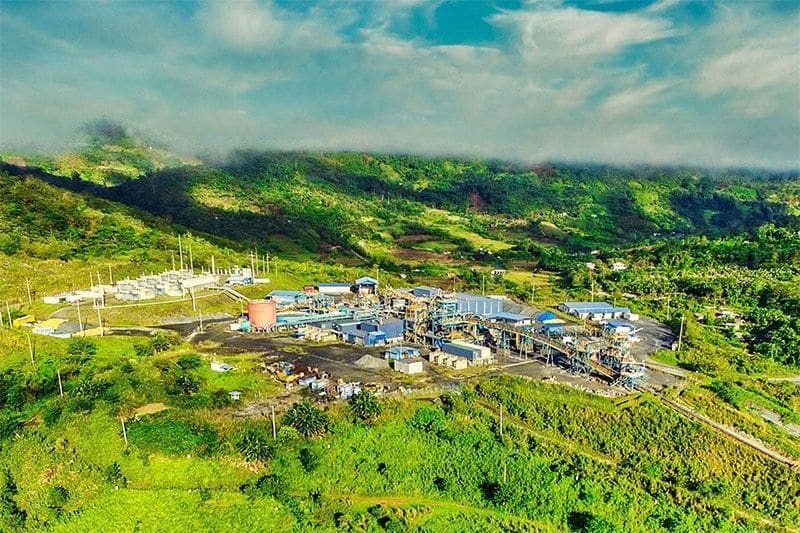
OceanaGold Philippines has committed 768.43 million pesos (approximately $13.4 million) to the eventual rehabilitation and closure of its Didipio gold and copper operation in Nueva Vizcaya, with 551.4 million pesos already deposited into a dedicated trust fund. The Australian-Canadian operator announced that annual contributions will continue according to a provisioning schedule tied to the mine's operational timeline, which extends through 2037.
The allocation reflects a broader shift in Southeast Asian mining, where host governments increasingly demand upfront financial guarantees for post-extraction land restoration. Indonesia, Vietnam, and the Philippines have all tightened rehabilitation bond requirements over the past three years, responding to legacy sites abandoned without adequate closure funding.
Joan Adaci-Cattiling, president of OceanaGold Philippines, emphasized that rehabilitation planning runs parallel to active extraction. The company is investing now to secure environmental and community outcomes long after ore production ceases, she said.
Phased Approach Covers Three Hundred Forty Hectares
The Didipio operation currently works 340 hectares within a 975-hectare permitted zone under a Financial or Technical Assistance Agreement, a legal structure that allows foreign firms majority ownership in Philippine mining ventures. Approximately 100 hectares will undergo progressive rehabilitation during the mine's active life, allowing vegetation and soil stability work to proceed alongside extraction.
As of last year, more than 55 hectares had already been restored. The company plans to rehabilitate the remaining area in phases, with about 221 hectares scheduled for final restoration work once mining ends in 2037. An additional 58 hectares, including the open pit and key infrastructure sites, will be repurposed for community use rather than returned to natural vegetation.
That repurposing proposal must pass technical assessments to confirm safety and suitability for the intended post-mining functions. Potential uses include water storage, agricultural terraces, or light industrial zones, depending on geotechnical stability and community input.
Two-Year Review Cycle Keeps Plan Current
OceanaGold updates its Final Mine Rehabilitation and Decommissioning Plan every two years, incorporating progress reports, revised mining schedules, new technical data, stakeholder feedback, and evolving government requirements. The biennial review ensures that provisioning keeps pace with operational changes and that closure strategies reflect current best practice.
The trust fund mechanism insulates rehabilitation capital from operational cash flow pressures. By ring-fencing closure money in a separate account, regulators and communities gain assurance that site restoration will proceed even if commodity prices fall or the operator faces financial distress.
Regional Context: Stricter Bonds, Longer Timelines
Across ASEAN, mining regulators are raising the bar for decommissioning plans. Indonesia's revised coal regulations now require operators to set aside five percent of annual revenue for reclamation, up from three percent. Vietnam's Ministry of Natural Resources and Environment has extended post-closure monitoring periods to ten years, with bonds released only after independent audits confirm vegetation cover and water quality targets.
The Philippines introduced mandatory rehabilitation funds in 2020, but enforcement has been uneven. OceanaGold's Didipio plan, formalized under a renewed operating agreement after a protracted dispute with the national government, serves as a benchmark for other large-scale projects in the archipelago.
Mining industry observers note that transparent, adequately funded closure plans can ease community opposition and accelerate permit renewals. In Nueva Vizcaya, local officials have cited the trust fund as evidence of corporate commitment, reducing friction around the mine's 2024 permit extension.
Why This Matters for Southeast Asian Extractives
The Didipio rehabilitation commitment arrives as investors and lenders apply greater scrutiny to environmental, social, and governance performance in the extractive sector. Major project financiers now routinely require third-party verification of closure cost estimates and proof of segregated rehabilitation funds before approving loans.
For host countries, adequate decommissioning provisions translate into lower fiscal risk. Governments otherwise face the prospect of shouldering cleanup costs if operators default or declare bankruptcy, a scenario that has played out in coal regions across Indonesia and the Philippines.
Community groups in mining zones increasingly demand visibility into rehabilitation timelines and budgets. OceanaGold's biennial review process, which incorporates stakeholder input, reflects a broader industry trend toward participatory closure planning.
Open Pit Repurposing and Post-Mining Land Use
The decision to convert 58 hectares of mine infrastructure for community use, rather than full ecological restoration, marks a pragmatic compromise. Open pits and processing facilities often prove too expensive to backfill or dismantle completely, and local governments sometimes prefer economic reuse over revegetation.
Technical assessments will evaluate slope stability, groundwater chemistry, and structural integrity before any repurposing proceeds. If the open pit meets safety criteria, potential uses include aquaculture, bulk water storage, or even tourism, depending on community priorities and market conditions.
Similar conversions have succeeded elsewhere in the region. A decommissioned copper mine in Luzon's Benguet province now functions as a tilapia farm, generating income for a local cooperative. In Indonesia, a former nickel site in Sulawesi has been transformed into a small industrial park, leveraging existing roads and power infrastructure.
Financial Discipline and Regulatory Pressure
OceanaGold's decision to front-load rehabilitation spending reflects both regulatory pressure and reputational considerations. The company's previous operational hiatus in the Philippines, triggered by permit disputes and community protests, underscored the cost of inadequate stakeholder engagement.
By building the trust fund ahead of schedule and publicizing rehabilitation milestones, the operator aims to differentiate itself from peers with weaker environmental track records. The strategy also aligns with parent company OceanaGold Corporation's sustainability commitments, which include third-party audits of closure plans across its global portfolio.
Analysts note that disciplined provisioning can enhance valuation by reducing contingent liabilities. Mining equities with well-funded, transparent decommissioning plans typically trade at narrower discounts to net asset value than peers with uncertain closure obligations.
Looking Ahead: Lessons for the Region
As Southeast Asia's mining sector matures, the Didipio model offers lessons for both operators and regulators. Clear provisioning schedules, independent trust accounts, regular plan updates, and community involvement in post-mining land use decisions can reduce conflict and ensure that rehabilitation proceeds as intended.
For the Philippines, where mining contributes less than one percent of GDP but generates significant local employment and export revenue, credible closure planning may be the key to unlocking stalled projects and attracting new investment. Investors remain wary of jurisdictions where rehabilitation obligations are vague or unfunded, viewing them as sources of hidden liability.
OceanaGold's approach, while not without critics, demonstrates that transparent financial commitments and participatory planning can coexist with profitable extraction. Whether the model scales across the archipelago's hundreds of smaller mines remains an open question, but the Didipio precedent sets a standard that regulators and communities are likely to invoke in future permitting negotiations.
RELATED STORIES
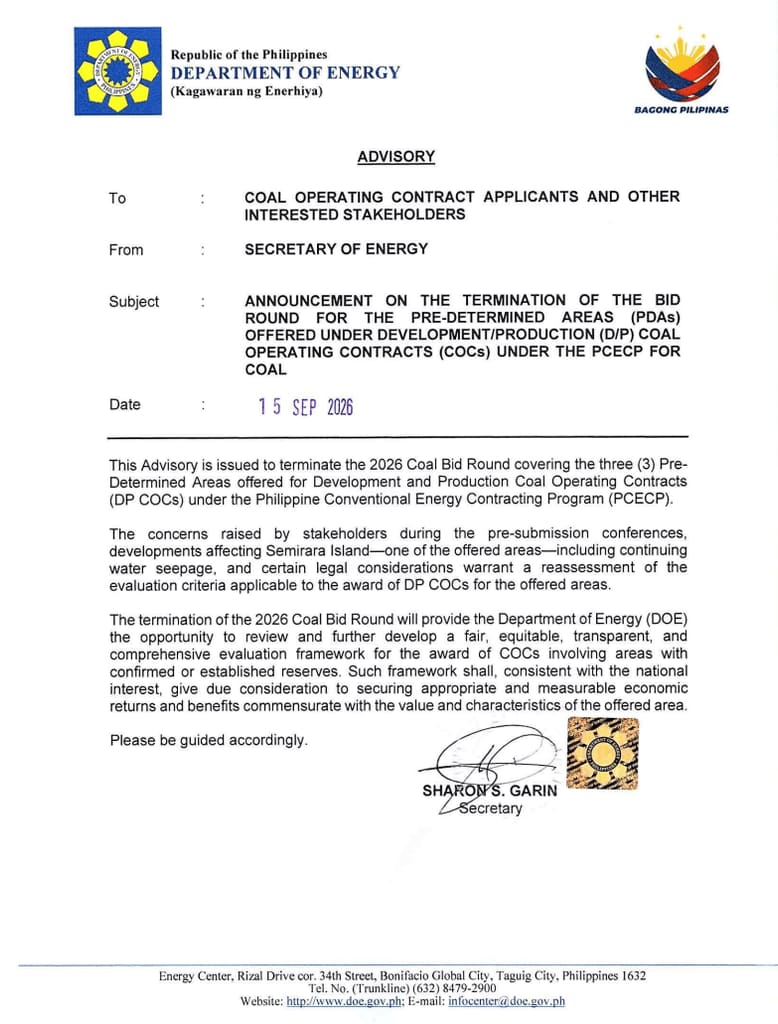
Philippines Cancels Coal Tender for Key Mining Site Months Before Operator Handover
Mariel D. Santos · 4 min
Five ASEAN Members Back Regional Oil Stockpile as Study Nears Completion
Tran Quoc Bao · 3 min

Filipino Workers Abroad Send Home $3.6 Billion in July
Mariel D. Santos · 3 min

Southeast Asian Firms Overlook Digital Pact Worth USD 2 Trillion
Lim Hui Ying · 4 min
Spot something wrong? Email editor@briefasia.com. We log every correction publicly.